

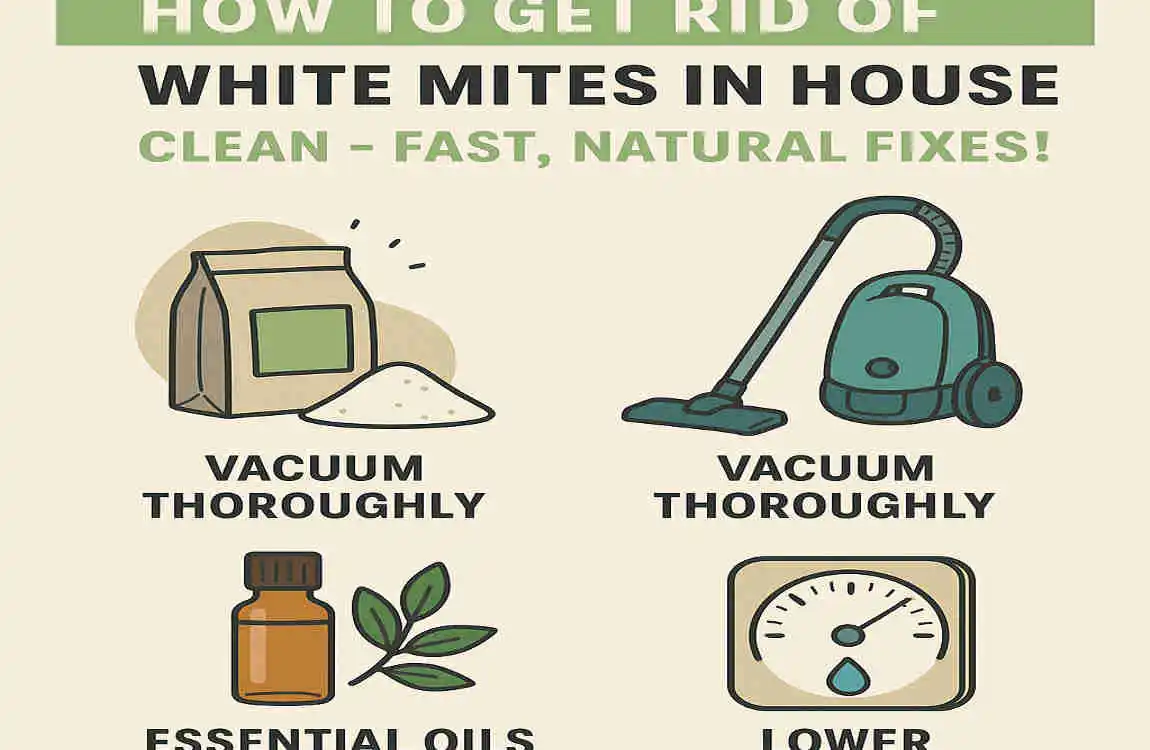
Have you ever noticed tiny white dots crawling on your kitchen counters, houseplants, or soil? If yes, you might be dealing with white mites in your house, those pesky little creatures that can quickly become a nuisance. These microscopic arachnids thrive in homes with humidity above 60%, making many of our cosy living spaces ideal habitats for them.
What Are White Mites?
Understanding These Tiny Intruders
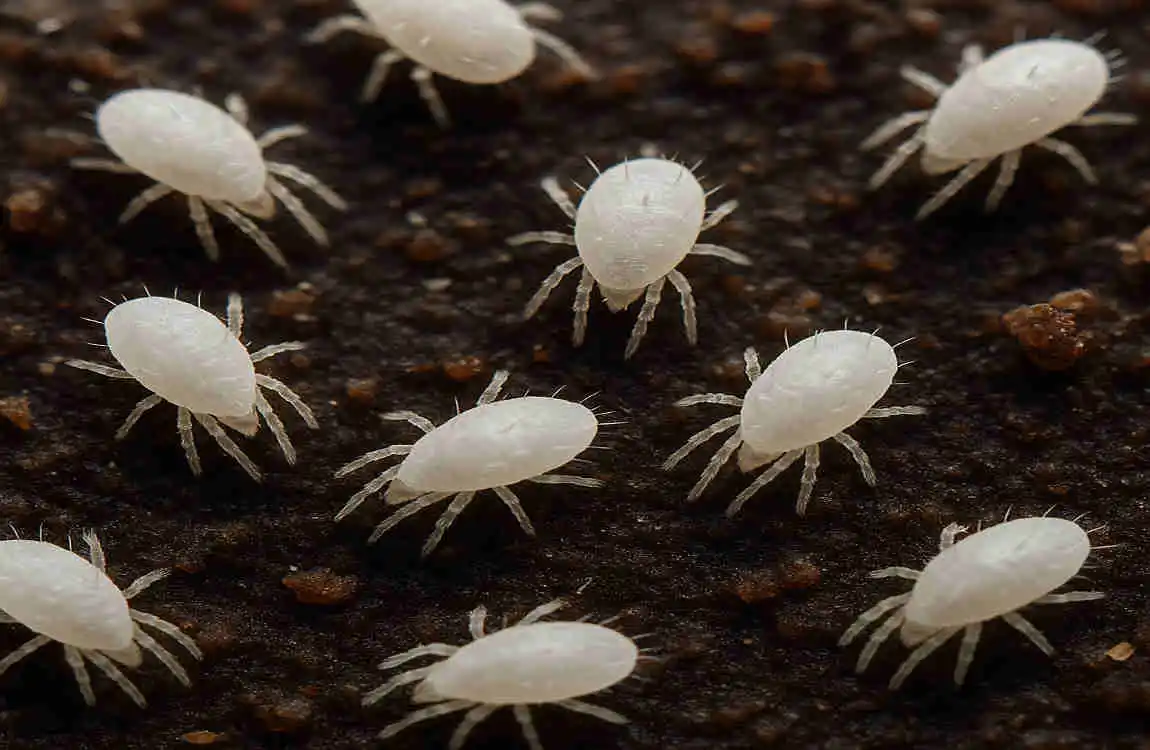
White mites are incredibly small arachnids, measuring just 0.2 to 1 millimetre in size. They’re often mistaken for insects, but unlike bugs, they have eight legs and belong to the spider family. The most common types you might find indoors include:
- Spider mites (like the two-spotted spider mite)
- Soil mites
- Mold mites
They usually have white or clear bodies, sometimes with tiny black spots. One telltale sign? Many spider mites leave behind fine webbing on plant leaves.
How to Identify White Mites
Spotting white mites can be tricky, especially since they resemble other small pests. Here are some key traits:
- White mites: Tiny white dots crawling on plants or soil, often accompanied by webbing.
- Mealybugs: Look like fuzzy white cotton balls, usually sticky with honeydew.
- Mould mites: Dust-like and pale, commonly found in damp areas, feeding on mould.
- Dust mites: Invisible to the naked eye, live in bedding, and cause allergies, but don’t bite.
Common Confusions at a Glance
Pest Appearance Location Key Difference
White Mites Tiny white dots, webbing Plants, soil Crawl; no wings
Mealybugs , Cottony white masses, stems, leaf undersides , Sticky honeydew
Mould Mites Dust-like, pale Damp areas Thrive on mould
Dust Mites in Invisible Bedding Cause allergies; don’t bite
Knowing these differences helps you target the right pest with the right treatment.
Signs of White Mites in Your House
Early Warning Signs to Watch For
White mites don’t just show up unnoticed — they leave clues! You might see:
- Tiny moving specks on windowsills, plant leaves, or soil surface.
- Yellowing or speckled leaves on your houseplants.
- Fine webbing covering leaves or stems.
- Leaves curling or dropping prematurely.
If you spot any of these, it’s time to act fast!
The Damage They Cause
These mites aren’t just ugly — they can seriously harm your plants. They suck sap from leaves, causing defoliation and weakening the plant. Sometimes, sooty mould grows on the honeydew they leave behind, further damaging foliage.
For humans, white mites can cause mild skin irritation or trigger allergies due to shed hairs and particles, especially in sensitive individuals.
Where to Check for White Mites
They love humid, sheltered spots. Check:
- Houseplants and their potting soil.
- Bathrooms and kitchens are where moisture is high.
- Behind furniture or window sills.
- Damp basements or cluttered plant areas.
Causes of White Mite Infestations
Why Do White Mites Invade Your Home?
Several factors make your home a perfect target:
- Overwatered soil creates damp conditions that mites love.
- High indoor humidity above 60% encourages mite breeding.
- New plants from stores can bring in hitchhiking mites.
- Poor airflow allows populations to explode unchecked.
Entry Points for White Mites
Mites can enter through:
- Small cracks and openings around windows and doors.
- Open windows without screens.
- Contaminated produce or soil brought indoors.
Risk Factors at a Glance
Here’s a quick list of conditions that raise your risk:
- Damp or cluttered basements.
- Grouping many houseplants close together.
- Neglecting to inspect or quarantine new plants.
- Lack of regular cleaning or soil replacement.
How to Get Rid of White Mites in the House: Step-by-Step
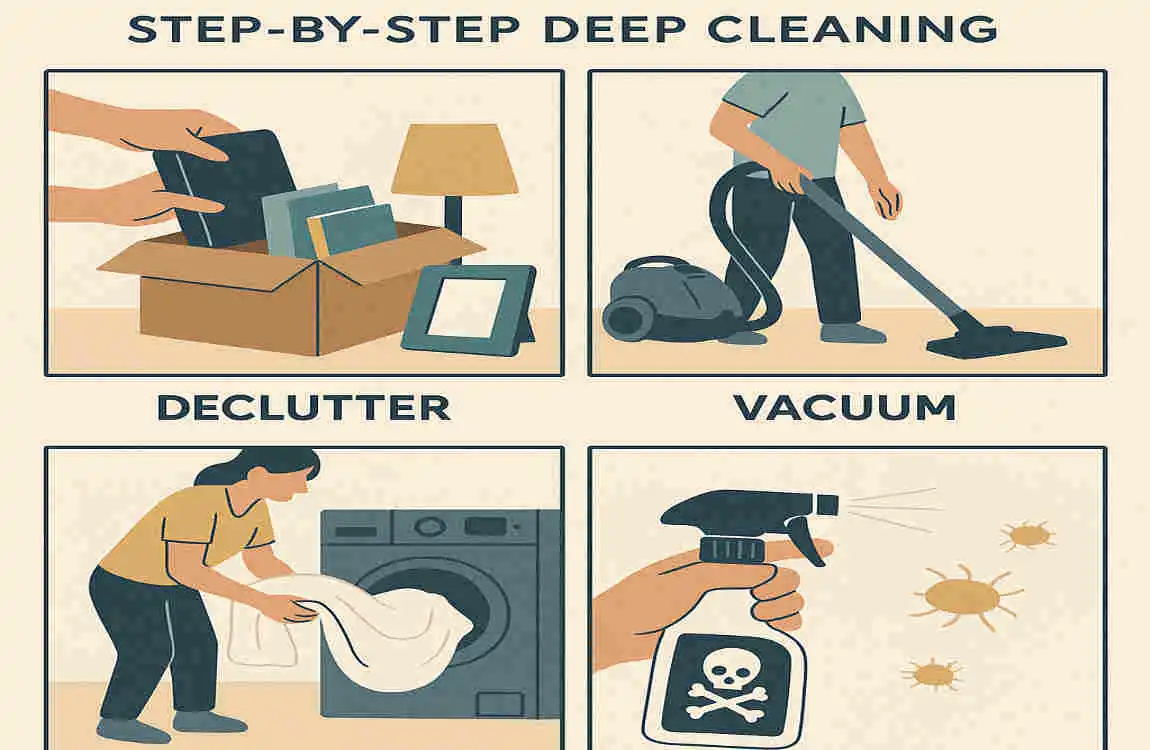
Ready to tackle these pests? Follow these detailed steps to eliminate white mites effectively.
Inspect & Isolate Your Plants
Start by quarantining any infested plants to prevent spreading. Carefully check:
- The top and underside of leaves for mites or webbing.
- The soil surface has tiny white dots.
- Adjacent plants for early signs.
Isolate affected plants in a well-lit area for treatment.
Natural Remedies to Combat White Mites
You don’t need harsh chemicals—try these safe, natural options!
- Cinnamon Powder Dusting: Mix 1.5 to 3 teaspoons of cinnamon powder per gallon of water. Spray twice weekly. Cinnamon disrupts mite activity and repels them naturally.
- Neem Oil Spray: Combine two teaspoons of neem oil with a gallon of water and a few drops of mild soap to emulsify. Spray leaves thoroughly. Neem oil acts as a natural pesticide, disrupting mite reproduction.
- Dish Soap Solution: Mix one tablespoon of gentle dish soap with 1 gallon of water. Use a cloth or spray to coat leaves and stems, wiping mites off physically.
- Vinegar or Rosemary Oil Sprays: Both have antimicrobial properties that disturb mites. Dilute vinegar with water (1:3 ratio) or add rosemary oil drops to water for a refreshing spray.
These remedies work best when applied consistently over a few weeks.
Deep Clean Your Home
Mites don’t just hide on plants. To clear your house:
- Hot wash curtains, pillow covers, and fabrics at temperatures above 60°C.
- Vacuum carpets and upholstery thoroughly, focusing on corners.
- Use a dehumidifier to reduce indoor humidity below 50%, making the environment less hospitable.
Chemical Options (If Needed)
For severe infestations, consider targeted insecticidal soaps or miticides like Supreme IT. These should be last-resort options after natural methods have been tried.
Always follow product instructions and keep children and pets away during treatment.
Plant-Specific Fixes
To save your plants:
- Repot in sterile soil, removing all old, infested soil.
- Rinse leaves and soil with a strong spray of water to physically remove mites.
Visual Aid: Before and After Treatment
(Insert images showing white mites on leaves before treatment and clean leaves after natural remedies)
Fast Fixes for White Mites on Houseplants & Soil
If you want quick relief, here’s what to do:
- Refresh the soil: Remove the top 1-2 inches and replace with sterile potting mix. This cuts down mite breeding grounds.
- Leaf treatments: Use alcohol swabs on leaves or spray insecticidal soaps for immediate mite removal.
- Humidity hacks: Open windows or run fans to lower moisture levels.
These quick actions can drastically reduce mites while you work on deeper treatments.
Prevention Tips to Keep White Mites Away
Stopping mites before they start is key. Keep these tips in mind:
- Seal cracks and screen windows to block entry.
- Wipe plants weekly with a damp cloth and check for signs.
- Maintain humidity under 50% using dehumidifiers or air conditioning.
- Conduct quarterly perimeter sprays of your home exterior to deter pests.
- Quarantine new plants for at least two weeks before introducing them.
When to Call Professional Pest Control
If mites persist despite your efforts, or if you or family members experience worsening allergies or skin issues, it’s time to call the pros.
Our team uses eco-friendly, safe methods to eliminate white mites quickly and prevent re-infestation. Book a professional inspection to get your home mite-free with peace of mind!
