

It’s the coldest night of the year. You wake up shivering, only to realize your home’s heat is gone. The furnace is silent, the water’s icy, and panic sets in. Could it be that your gas lines have frozen? If you’re asking yourself, ” Can gas lines freeze in a house, you’re not alone. While it’s rare, it’s not impossible—especially as winters grow harsher and more unpredictable.
While frozen gas lines are uncommon, the risk is rising. Extreme cold snaps—like the polar vortexes we’ve seen in recent years—are making these problems more frequent. Homeowners everywhere are searching for answers, warning signs, and, most importantly, easy fixes.
Why Gas Lines Freeze
The Science Behind Frozen Gas Lines
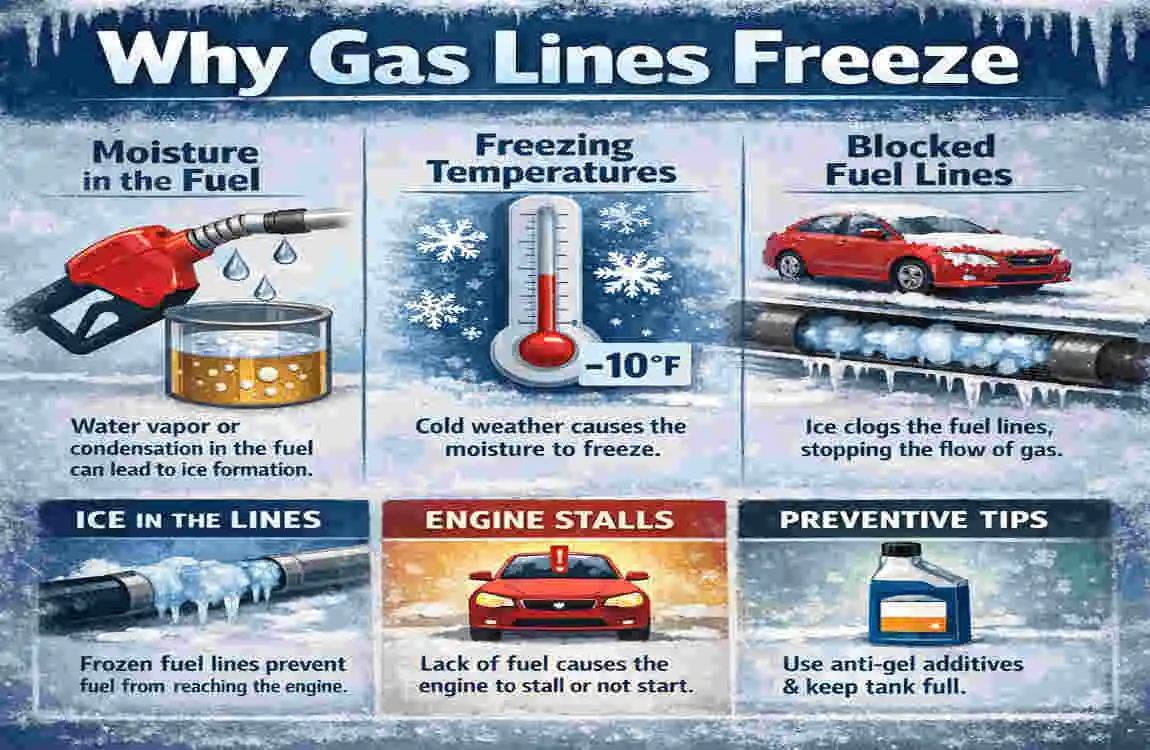
You might be surprised to learn that natural gas and propane don’t freeze easily. In fact, natural gas only solidifies at -295°F, and propane at -306°F—temperatures we’ll never see in a typical winter. So, what’s really happening when your gas line freezes?
The answer is moisture. Tiny amounts of water vapor can enter your gas pipes through leaks, cracks, or even during installation. When the temperature drops below freezing, this moisture turns to ice, creating a blockage that stops gas from flowing to your appliances.
Conditions Needed for Gas Line Freezing
For a gas line to freeze, three things usually need to happen:
- Sub-zero temperatures: Prolonged cold snaps, especially below 32°F (0°C), put your pipes at risk.
- Poor insulation: Exposed or poorly insulated pipes—often found in crawlspaces, basements, or exterior walls—are most vulnerable.
- Moisture inside the line: This can come from tiny leaks, condensation, or even from the gas supply itself .
Gas Types: Natural Gas vs. Propane
Both natural gas and propane are used in homes, and both can be affected by freezing—though not in the way you might think. The gas itself won’t freeze, but the pipes carrying the gas can become blocked by ice if moisture is present. This is especially true in unheated spaces like garages, attics, or crawlspaces.
The Impact of Extreme Weather
Recent years have seen a spike in incidents involving frozen gas lines. For example, during the 2025 U.S. polar vortex, reports of frozen gas lines jumped by 20% compared to previous years. As climate patterns shift, these extreme cold events are becoming more common, making it even more important to understand and prevent gas line freezing.
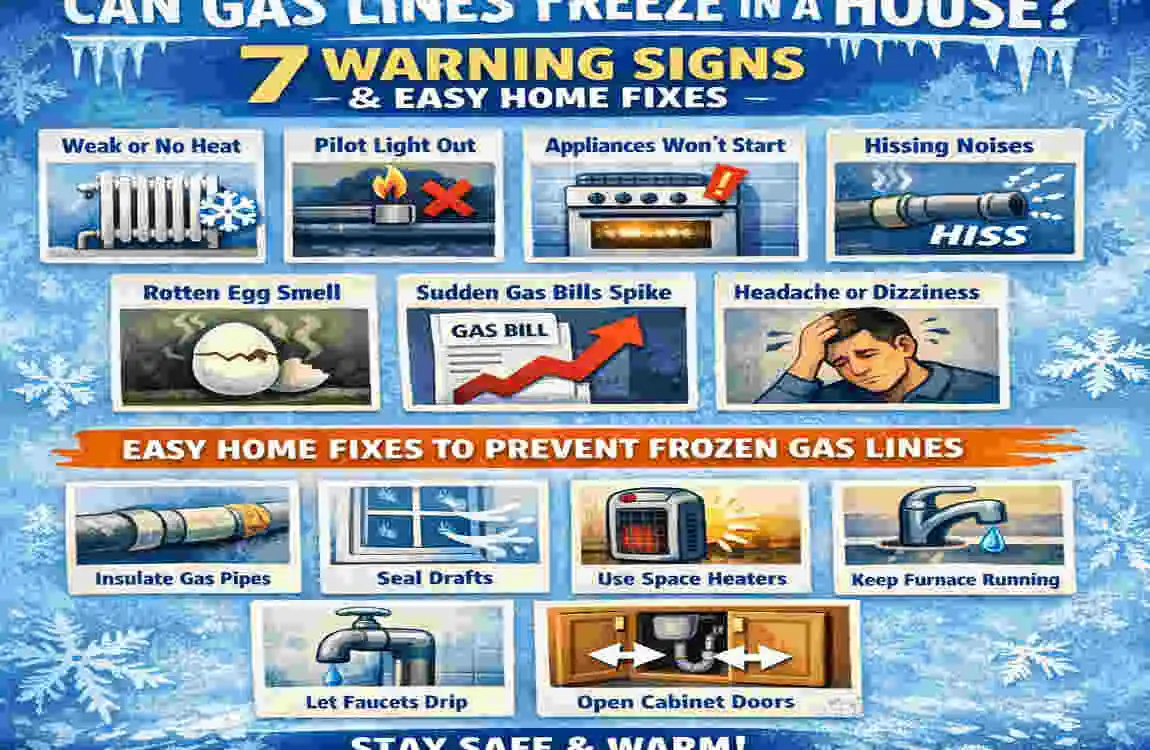
7 Warning Signs Your Gas Line May Be Frozen
When it comes to can gas lines freeze in a house, knowing the warning signs can make all the difference. Here’s a quick-reference table, followed by detailed explanations for each sign.
Sign Description Urgency
1. No Heat/Hot Water Furnace or water heater stops working; pilot light out , High
2. Ice on Meter/Pipes Frost or ice visible on gas meter or exposed pipes High
3. Hissing/Noises Unusual sounds from pipes due to pressure changes Medium
4. Gas Smell Rotten egg odor—possible leak from stress Emergency
5. Low Pressure Weak stove flames or appliance malfunctions Medium
6. Frost in Crawlspace Ice buildup in unheated areas under the house High
7. Error Codes : Furnace displays alerts like “low gas flow” Medium
No Heat or Hot Water
Story: Imagine waking up to a freezing house. You check the thermostat, but the furnace won’t kick on. The water from your tap is ice-cold. This is often the first and most obvious sign of a frozen gas line. When ice blocks the flow, your appliances can’t get the fuel.
What to do: If your pilot light is out or your furnace won’t start, check for other signs of freezing before calling a professional.
Ice on Gas Meter or Pipes
Story: You step outside and notice a layer of frost or even icicles on your gas meter or the pipes leading into your home. This is a red flag that the line is cold enough for moisture inside to freeze.
What to do: Don’t try to chip away the ice. Instead, gently warm the area or call a professional for help.
Hissing or Unusual Noises
Story: You hear a faint hissing or popping sound coming from your gas pipes. This can happen when ice forms and changes the pressure inside the line .
What to do: Turn off the gas supply and call a professional immediately. Never ignore strange noises from your gas system.
Gas Smell
Story: You catch a whiff of rotten eggs—a classic sign of a gas leak. Freezing and thawing can stress pipes, causing tiny cracks or leaks.
What to do: Evacuate your home and call emergency services. Do not attempt any fixes yourself.
Low Gas Pressure
Story: Your stove’s flame is weak, or your gas dryer isn’t heating properly. Low pressure can mean a partial blockage from ice.
What to do: Check other appliances. If multiple devices are affected, suspect a frozen line.
Frost in Crawlspace or Basement
Story: You notice frost or ice buildup in your crawlspace or basement, especially near exposed pipes. These unheated areas are prime spots for freezing.
What to do: Increase the heat in these areas and insulate pipes to prevent future issues.
Error Codes on Furnace or Boiler
Story: Your furnace flashes an error code like “low gas flow” or “ignition failure.” Modern appliances are smart enough to detect when gas isn’t reaching them.
Dangers of Frozen Gas Lines
More Than Just an Inconvenience
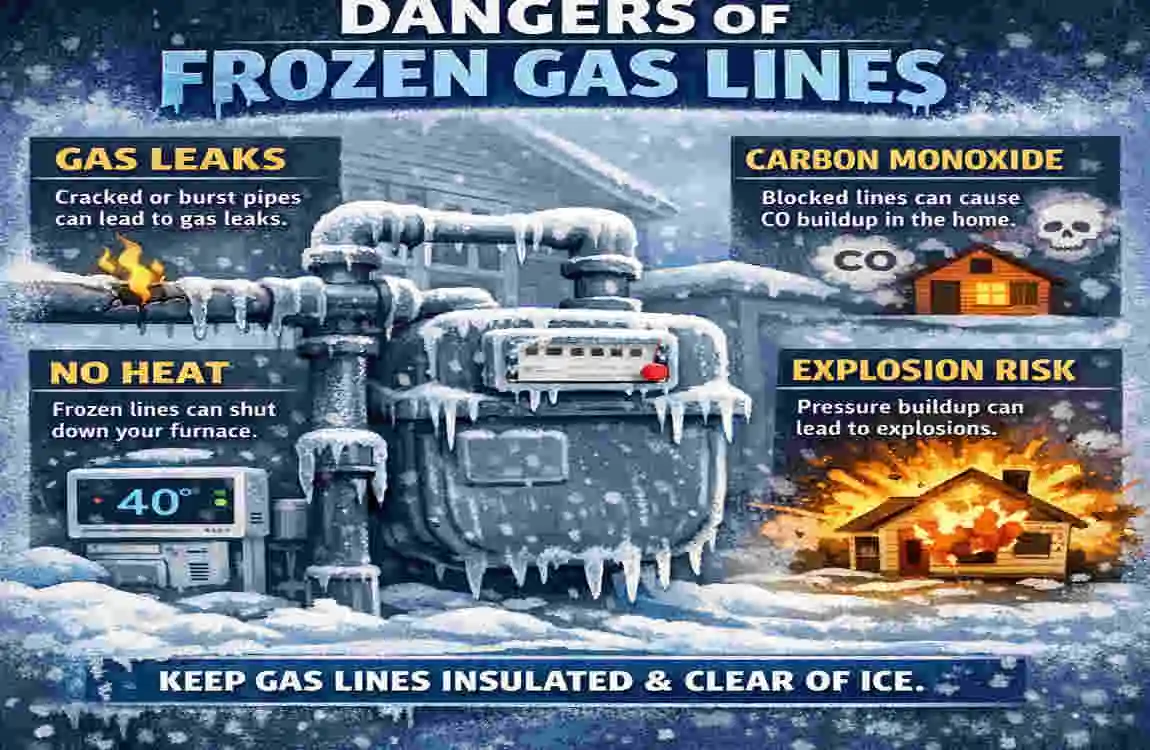
A frozen gas line isn’t just a hassle—it can be downright dangerous. When gas flow stops, your home loses heat, putting your family at risk during the coldest months. But the dangers don’t stop there.
Health Risks
If a gas line is only partially blocked, your appliances may burn gas inefficiently, leading to carbon monoxide buildup. This invisible, odorless gas can be deadly if it accumulates in your home.
Risk of Bursts and Explosions
When ice inside a gas pipe thaws, it can cause a sudden surge in pressure. This rapid expansion may crack pipes or even cause explosions, especially if the pipe was already weakened by freezing .
Financial Costs
Repairing a frozen or burst gas line isn’t cheap. Homeowners can expect to pay between $500 and $5,000 for repairs, depending on the extent of the damage. Worse, many insurance policies won’t cover damage if it’s determined that you neglected routine maintenance .
Gas vs. Water Pipes
While both gas and water pipes can freeze, gas lines are more prone to freezing. A burst water pipe might flood your basement, but a burst gas pipe can lead to fire or explosion.
Easy Home Fixes for Frozen Gas Lines
Important: If you ever smell gas or suspect a leak, evacuate immediately and call emergency services. Never attempt repairs if you suspect a leak.
Shut Off the Gas
Locate your main gas valve—usually near your meter. Turn the valve so it’s perpendicular to the pipe. This stops the flow and keeps your home safe.
Warm the Area
Open cabinets or doors near the frozen pipe to let warm air circulate. Place a space heater nearby (never directly on the pipe) to gently raise the temperature .
Use a Hair Dryer or Heat Gun
Set your hair dryer or heat gun to low and aim it at the exposed section of pipe. Move it slowly back and forth—never leave it unattended.
Apply Hot Towels
Soak towels in hot water, wring them out, and wrap them around the pipe. This method thaws ice slowly and safely.
Insulate After Thawing
Once the pipe is clear, wrap it in foam sleeves or insulation tape. These materials are inexpensive (about $10–$20) and can prevent future freezing .
Quick List: What NOT to Do
- Never use an open flame (like a blowtorch) to thaw pipes.
- Don’t ignore a gas smell—always evacuate and call for help.
- Don’t force appliances to run if you suspect a blockage.
When to Call a Professional
- You smell gas or hear hissing.
- No gas flow after 1 hour of safe thawing.
- You’re unsure about any step.
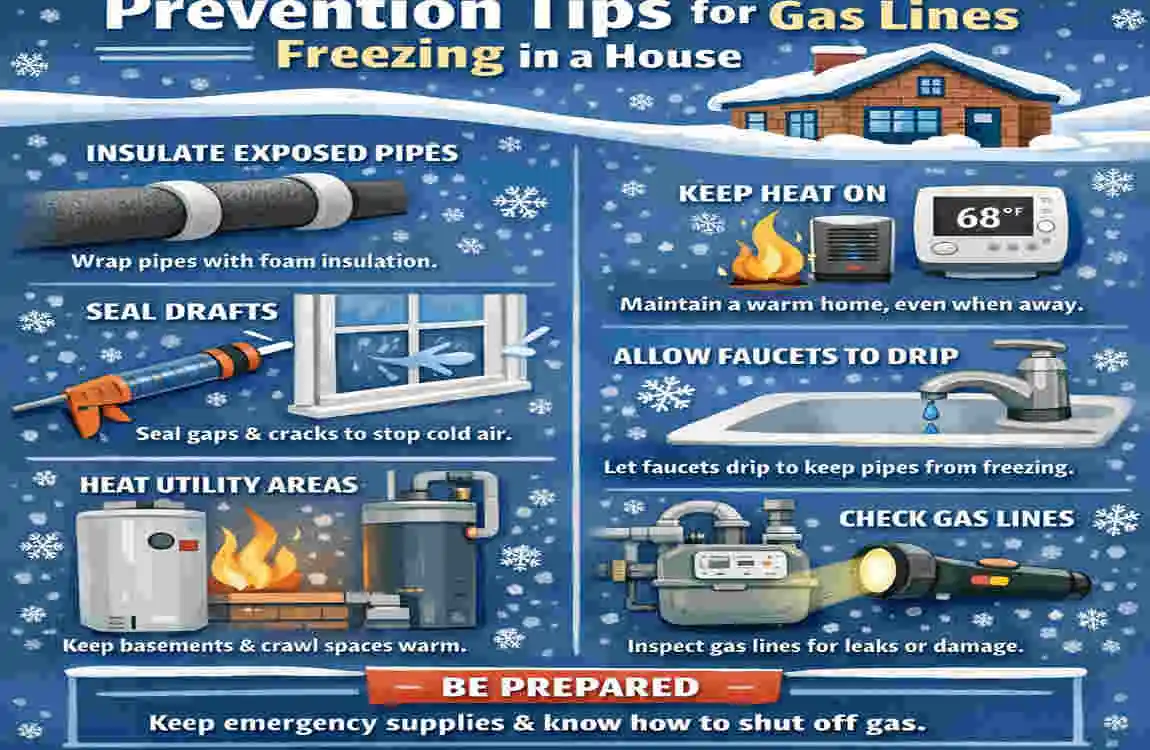
Prevention Tips: How to Keep Gas Lines from Freezing
Insulate Exposed Lines
Wrap all exposed gas pipes with foam sleeves or heat tape. Focus on areas in crawlspaces, basements, and exterior walls.
Schedule Annual Inspections
Have a professional inspect your gas lines and appliances every year. They can spot leaks, drain regulators, and ensure everything is winter-ready.
Drain Regulators
Some gas systems have regulators that can collect moisture. Draining these before winter can prevent ice buildup.
Winter Gas Line Checklist
Task: How Often DIY or Pro?
Insulate exposed pipes every fall , DIY
Seal cracks/gaps every fall DIY
Maintain 55°F indoors , all winter DIY
Annual gas line inspection , once a year Pro
Drain gas regulators before winter Pro
Book our winter gas checkup and stay safe all season!
FAQs: Can Gas Lines Freeze in a House?
Can gas lines freeze in a house above freezing temperatures?
It’s rare, but possible if there’s high humidity or drafts. Moisture inside the pipe can freeze even if the air temperature is just above 32°F, especially in windy or poorly insulated areas.
How long does it take to thaw a frozen gas line?
With safe methods, it usually takes 30 minutes to 2 hours. Never rush the process or use dangerous tools.
Are propane and natural gas lines equally at risk?
Yes, both can freeze if moisture is present, though the gas itself won’t solidify under normal conditions .
How much does it cost to fix a frozen gas line?
DIY fixes may cost $200–$1,000 for materials and minor repairs. Professional repairs can run higher, especially if there’s damage.
Will insurance cover repairs to a frozen gas line?
Most policies cover sudden damage, but may deny claims if you neglected maintenance. Always keep records of inspections and repairs.
