

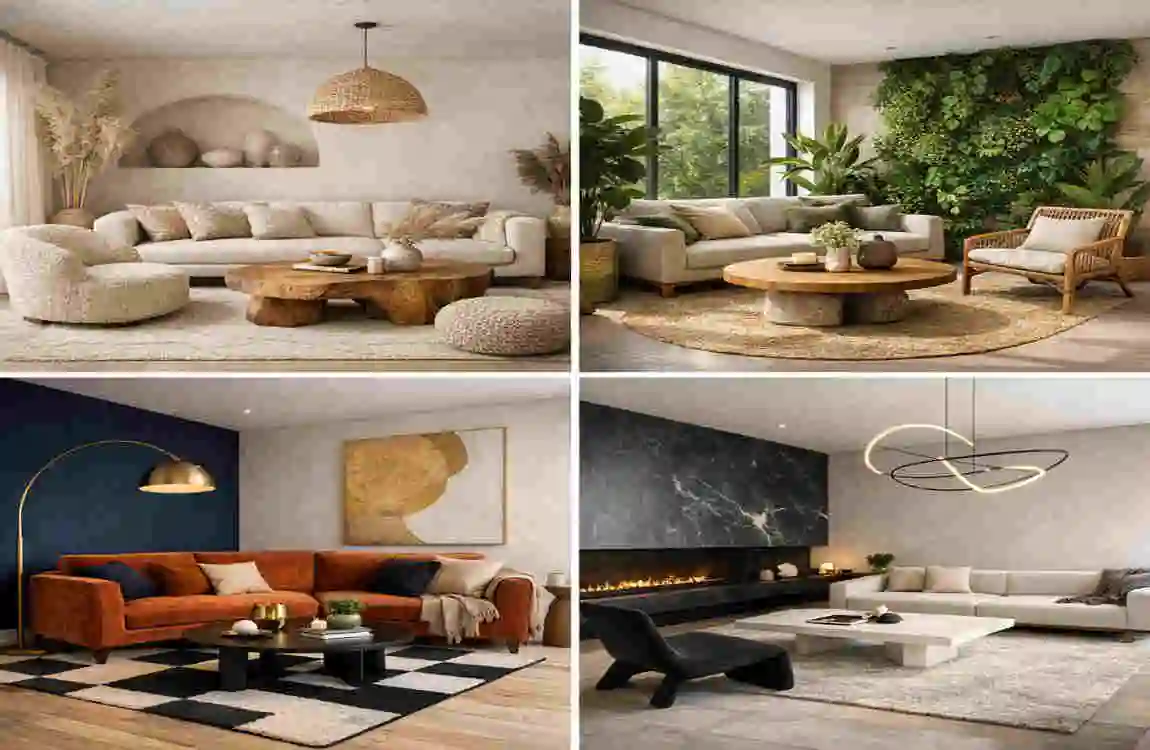
Imagine walking through your front door after a long, exhausting day. You drop your keys, kick off your shoes, and step into your living room. Does it feel like a chaotic storage unit where furniture goes to die? Or does it feel like a celebrity’s sanctuary—a space that wraps you in comfort, style, and effortless flow?
We all dream of that “red carpet” vibe for our homes. We want a space that looks like it belongs on a Pinterest board but functions like a real home. But often, we get stuck. We bought a sofa because it was on sale, then a rug that looked good online, only to find they clash horribly. The room feels off, but we can’t pinpoint why.
The secret isn’t just about spending money; it’s about strategy. Designing furniture for your living room is an art form that blends mathematics with magic. It is about understanding your household’s flow, scale, and personality.
With 2026 approaching, interior trends are shifting. We are moving away from the cold, sterile minimalism of the past and embracing “cozy maximalism”—spaces that prioritize wellness, sustainability, and deep comfort. In fact, searches for “cozy living room ideas” have skyrocketed by 40% recently.
Assess Your Living Room Before Designing
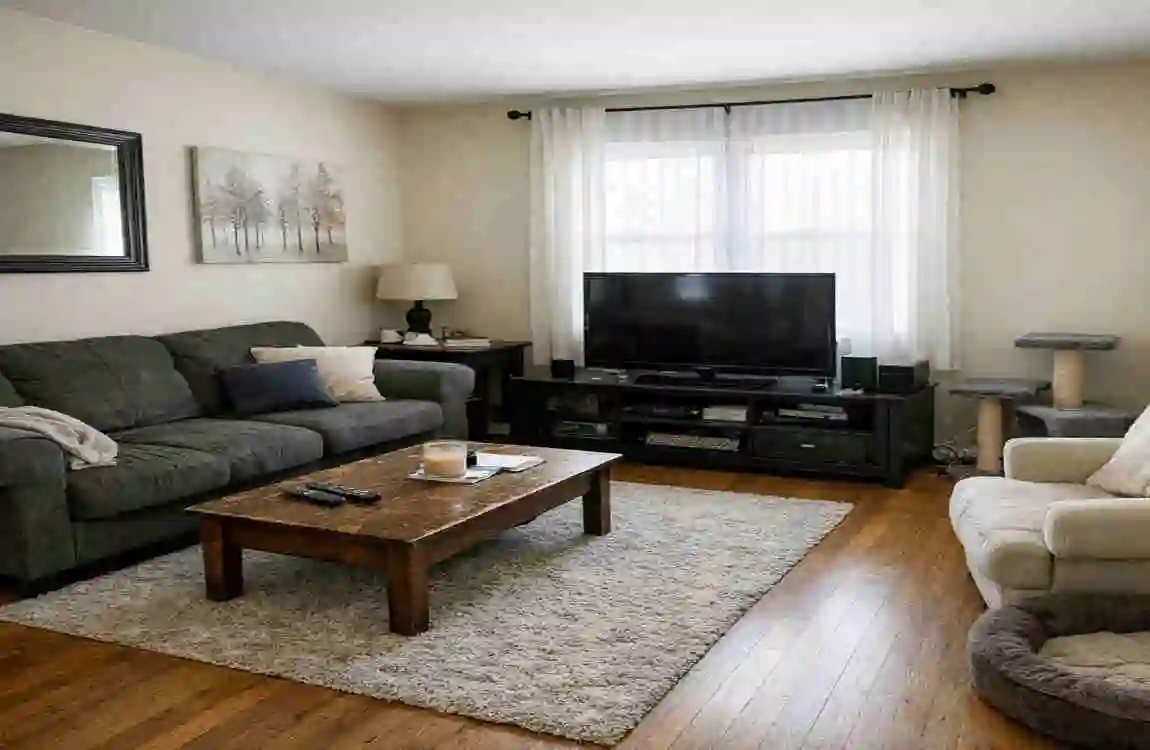
Before you rush out to buy that velvet sectional you saw on Instagram, put your credit card away. The biggest mistake homeowners make is buying furniture before understanding the room it lives in. To master how to design furniture in your living room, you must first act like an investigator.
Measure Twice, Buy Once
You need to know your numbers. Nothing is more heartbreaking than waiting six weeks for a custom sofa only to realize it blocks the hallway.
- The Room Dimensions: Measure the length and width of the room.
- The “Swing” Zone: Account for how far doors swing open. You don’t want a chair hitting the door every time someone enters.
- Traffic Flow: People need space to walk. The golden rule of interior design is to leave 18 to 24 inches for major walkways. If you have to turn sideways to shimmy past the coffee table, your layout is wrong.
The Lifestyle Quiz
Your living room needs to serve you, not a magazine cover. Ask yourself these questions to determine your “Persona”:
- The Entertainer: Do you host game nights or tea parties? You need plenty of seating facing each other.
- The Netflix Binger: Is the TV the king of the room? You need a deep, comfortable sectional facing the screen.
- The WFH Warrior: Do you work from the sofa? You might need a C-table for your laptop and firmer support.
- The Family Hub: Do you have kids or pets? You need durable, stain-resistant fabrics and rounded edges (no sharp glass corners!).
- The Zen Seeker: Is this a no-tech zone for reading? You need a cozy armchair and great lighting.
Defining Your Budget
Designing a dream space costs money, but it doesn’t have to break the bank. It helps to categorize your budget early, so you know where to splurge and where to save.
Budget LevelFocus PiecesTypical StrategyTotal Estimated Spend
Budget (Under $2K) Modular basics, DIY upgrades. Buy a solid sofa, thrift the rest, and use slipcovers. Affordable & Functional
Mid-Range ($5K-$10K) Trendy mixes, higher-quality fabrics. Invest in a great rug and sofa; mix in budget accessories. Stylish & Durable
Luxury ($20K+) Custom, designer brands, Versace-inspired tiles, imported Italian leather, bespoke joinery. Dreamy & Exclusive
Step-by-Step Guide: How to Design Furniture in Your Living Room
Now that we’ve done the prep work, let’s dive into the core of the process. This is your ultimate blueprint for designing furniture in your living room to ensure flow and function.
Sketch Your Floor Plan
You don’t need to be an architect. Download a free app like Room Planner or use graph paper. Outline your room, marking windows, doors, and electrical outlets. Seeing the space from a “bird’s eye view” changes everything.
Anchor with the Rug
The rug is the foundation of your furniture island. A common mistake is buying a rug that is too small, which makes the room look cheap and disjointed.
- The Rule: For a standard living room, an 8×10-foot rug is usually the minimum. The front legs of all your main seating pieces should sit on the rug. This anchors the furniture together.
Identify the Focal Point
What is the star of the show? In older homes, it might be a fireplace. In modern apartments, it’s often a media wall or a stunning view. Orient your main seating piece toward this focal point. If you have both a fireplace and a TV, position them on adjacent walls, or mount the TV above the fireplace to create a unified focal point.
Scale and Proportion
Scale is tricky. If you put a massive, overstuffed recliner in a tiny studio, the room feels claustrophobic. If you put a delicate loveseat in a massive hall, it looks like dollhouse furniture. Match your furniture to the size of your room.
Create the Conversation Triangle
Avoid the “waiting room” look, where all furniture is pushed against the walls. Pull your furniture into the center. Position your sofa and two chairs to form a “U” or “H” shape. This encourages conversation. You want people to be able to talk without having to shout across the room.
Layer Your Seating
Don’t just stop at a sofa. Layering creates depth.
- Start with the Main Sofa.
- Add Accent Chairs for contrast (color or texture).
- Toss in Ottomans or poufs. These are the unsung heroes; they work as footrests, extra seating, or coffee tables in a pinch.
Define Functional Zones
If your living room is large, break it up.
- The Main Zone: Sofa and TV.
- The Secondary Zone: A reading nook in the corner with a bookshelf and a wingback chair.
- The Work Zone: A slim console table behind the sofa that doubles as a desk.
Step 8: Test and Tweak
Before you fully commit, use painter’s tape to outline the furniture on your floor. Walk around it. Does it feel tight? Do you have to dodge a corner? Adjust the tape until the flow feels natural.
Essential Furniture Pieces for Dreamy Layouts
To achieve that dreamy aesthetic, you need the right building blocks. Here is your checklist of essential pieces that balance style and utility.
The Foundation Pieces
- The Sofa: Look for versatility. An L-shaped sectional is fantastic for defining a zone in an open-plan house. If you have a smaller space, a classic three-seater with exposed legs makes the room feel airier.
- The Coffee Table: This is the anchor of your conversation pit. Rule of Thumb: Keep the coffee table about 18 inches from the sofa. This is close enough to set down a drink but far enough to stretch your legs.
- Accent Chairs: Current trends favor swivel chairs. They are incredibly functional because you can turn to face the TV or spin around to join a conversation in the kitchen.
Storage and Display
- Floating Shelves: These add vertical interest without taking up floor space. They are perfect for displaying art, plants, and travel souvenirs.
- The Multi-Use Ottoman: Look for an ottoman with a lid. It creates a “dreamy” look by hiding away blankets, remote controls, and kids’ toys, instantly decluttering the space.
Sizing Chart for Success
Room Size, Ideal Sofa Size, Rug Size, Coffee Table Shape
Small (10×12 ft) Loveseat or Apartment Sofa (72″) 5×8 or 6×9 ft Round (saves knee space)
Medium (12×15 ft) Standard Sofa (84″) or Small Sectional 8×10 ft Rectangular or Oval
Large (15×20+ ft) Large Sectional + 2 Chairs 9×12 ft or larger Large Square or Nested Tables
Living Room Furniture Trends
If you want your home to feel current, you need to look ahead. The trends for 2026 are all about warmth, nature, and a touch of luxury inspired by global pop culture.
The Influence of “Quiet Luxury”
Think about the sets of popular high-budget TV shows—like those stunning villas in Turkish dramas or the penthouses in “Succession.” The vibe isn’t flashy; it is rich and textural. We are seeing a move away from sharp, cold edges toward softer, more inviting shapes.
Trends to Watch
- Curved Furniture: Say goodbye to boxy sofas. Curved sofas, rounded armchairs, and kidney-bean-shaped coffee tables are dominating. These organic shapes mimic nature, making a room feel gentler and more fluid. A Bouclé fabric curved sofa is the ultimate 2026 statement piece.
- Sustainable Woods: Dark, rich woods are back, but with a sustainable twist. Reclaimed teak or walnut adds a sense of history and warmth. In Pakistan, where skilled carpentry is abundant, sourcing solid wood pieces is a great way to tap into this trend.
- Earthy Palettes: The “sad beige” era is ending. We are embracing warm neutrals. Think terracotta, sage green, warm ochre, and deep chocolate browns. These colors ground the space and connect the indoors with the outdoors.
- Smart Integrations: We want tech, but we don’t want to see it. Look for side tables with built-in wireless chargers or sofas with hidden USB ports. The “dreamy” aesthetic is clutter-free.
- Maximalist Textures: It’s all about touch. Velvet sofas, rattan accent chairs, chunky wool rugs, and silk cushions. Mixing these textures creates a rich, sensory experience that feels expensive.
Furniture Arrangement Tips by Room Shape
Not all rooms are created equal. The shape of your room dictates how you design your living room furniture.
The Rectangular Room
This is the most common shape, but it can feel like a bowling alley.
- The Fix: Break the room into two. Use a sofa to “cut” the room in half. Place the sofa perpendicular to the long wall. Behind the sofa, place a console table or create a separate dining or reading area.
The Square Room
Square rooms can feel static.
- The Fix: Create a central island. Place a square coffee table in the middle and arrange your seating symmetrically around it. This emphasizes the room’s balance.
The L-Shaped Room
These rooms are naturally divided, which is a huge advantage.
- The Fix: Treat the two “legs” of the L as separate zones. Use the larger section for your main living area (TV/Sofa) and the smaller section for a dining table or a home office. Do not force a single, giant layout across both sections.
Small Spaces Under 150 sq ft
- The Fix: Think vertical. Use tall bookshelves to draw the eye up. Choose furniture with exposed legs (mid-century modern style) because seeing the floor underneath makes the room feel larger. Use mirrors to bounce light and create the illusion of depth.
The Open-Plan Concept
- The Fix: You need to define “rooms” without walls. Rugs are your best friend here. A large rug clearly signals, “This is the living room,” while a hanging pendant light over a table signals, “This is the dining room.”
Lighting, Accessories, and Finishing Touches
You have the layout and the furniture. Now you need the sparkle. Lighting and accessories are what take a room from “furniture showroom” to “dreamy home.”
Lighting Layers
Never rely on just the big light on the ceiling (the “big light” is the enemy of ambiance!). You need three layers:
- Ambient: The general overhead light.
- Task: Floor lamps near reading chairs or table lamps on side tables.
- Accent: LED strips behind the TV or a spotlight on a piece of art.
- Pro Tip: Put everything on dimmer switches. Instantly lowering the lights makes a room feel cozier and more luxurious.
The Rule of Thirds for Accessories
When styling your coffee table or shelves, group items in threes. For example: a stack of books, a small plant, and a candle. The human eye finds odd numbers more visually appealing than even numbers.
Rug Layering
For an extra cozy 2026 look, try layering rugs. Place a large, neutral jute rug as a base, then layer a smaller, patterned vintage rug or faux hide on top at an angle. It adds texture and looks incredibly chic.
The Luxury Scent
A “dreamy” space engages all senses. Invest in a high-quality reed diffuser or a smart home scent device. Scents like sandalwood, vanilla, or jasmine add an invisible layer of luxury that guests notice immediately.
Common Mistakes in Living Room Furniture Design
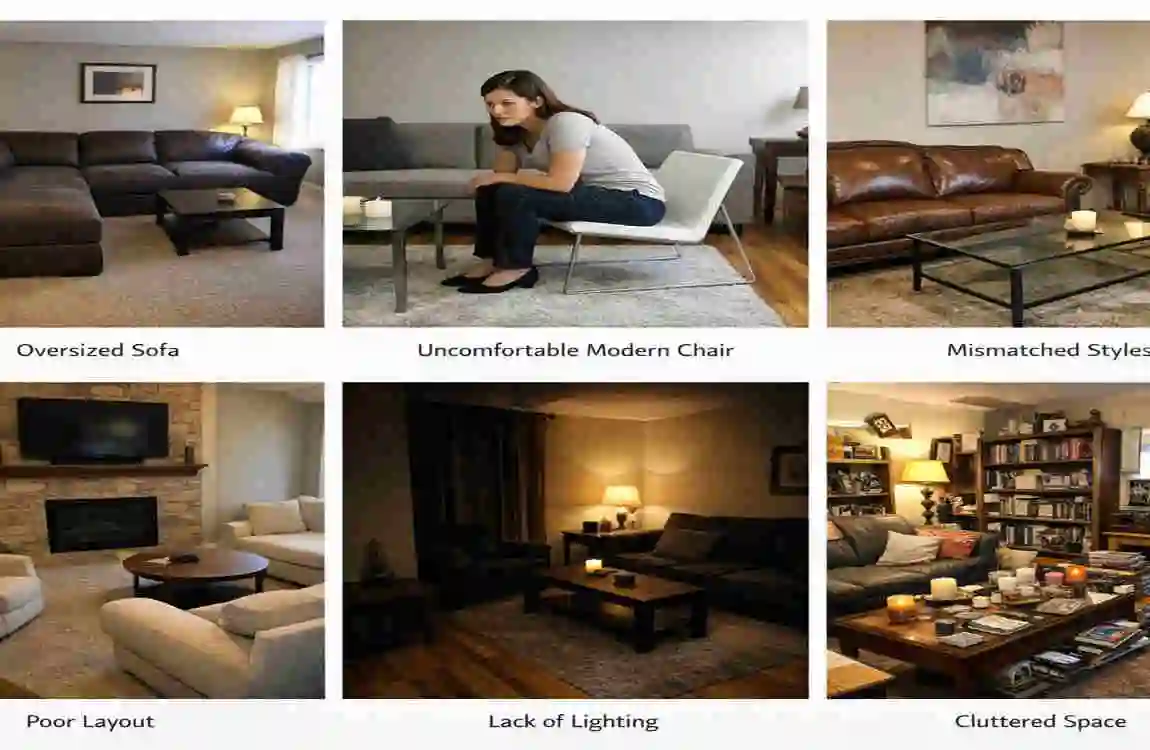
Even with the best intentions, things can go wrong. Avoid these common pitfalls to keep your design on track.
- The “Wallflower” Syndrome: Pushing all the furniture against the walls creates a dead zone in the middle of the room. Pull it in!
- Blocking Natural Light: Never place a high-backed sofa or a tall cabinet in front of a window. Natural light is the best decoration you have; don’t block it.
- Ignoring Flow: If you have to walk around the coffee table to get to the sofa, the table is too big. Use the “string line” test—run a string along your walking path. If it hits furniture, move the furniture.
- Trend Chasing without Function: That white boucle sofa looks amazing on TikTok, but if you have a toddler and a chocolate-loving dog, it will be ruined in a week. Be realistic about your lifestyle.
Budget-Friendly vs. Luxury Design Ideas
Whether you are saving rupees or splashing cash, you can achieve a great look. Here is how the approach differs.
Design ElementBudget-Friendly Strategy (PKR Estimates)Luxury Strategy (PKR Estimates)
Sofa IKEA dupes or local-market unbranded frames with good foam. (200K – 400K) Custom-made, high-end imported velvet, branded designers. (1M – 2.5M+)
Art DIY canvas art or printable downloads from Etsy in simple frames. (10K – 30K) Original pieces from local galleries or commissioned works. (200K+)
Rugs: Machine-made synthetic blends or jute. (20K – 50K) Hand-knotted wool or silk Persian rugs. (500K+)
Lighting Standard lamps from big-box stores. (15K – 40K) Statement chandeliers, crystal, or smart lighting systems. (150K+)
FAQs
How to design furniture in a living room for small spaces? In small spaces, prioritize multi-functional furniture like ottomans with storage or sofa beds. Use mirrors to create the illusion of depth, keep the color palette light and airy, and choose furniture with exposed legs to show more floor space, which makes the room feel larger.
What are the best living room furniture layout ideas? The best layouts focus on conversation. The “U-shape” (sofa + two facing chairs) or “H-shape” (two sofas facing each other) is timeless. For open plans, use L-shaped sectionals to act as a room divider between the living and dining areas.
How to arrange furniture in a living room with a fireplace? Treat the fireplace as the focal point. Place your main sofa facing the fireplace. If you also have a TV, place it next to the fireplace or mount it above (if the heat allows) so there aren’t any conflicting focal points.
Current trends for living room furniture design 2026? The biggest trends for 2026 include “cozy maximalism,” curved and organic furniture shapes, sustainable materials like reclaimed wood, and warm, earthy color palettes like terracotta and sage green.
How much to budget for living room furniture? Budgets vary wildly. A basic setup (sofa, rug, coffee table) can be done for under $2,000 (approx. 500k PKR) if you shop smart. A mid-range, high-quality room typically costs between $5,000 and $10,000, while luxury custom designs can easily exceed $20,000.
