

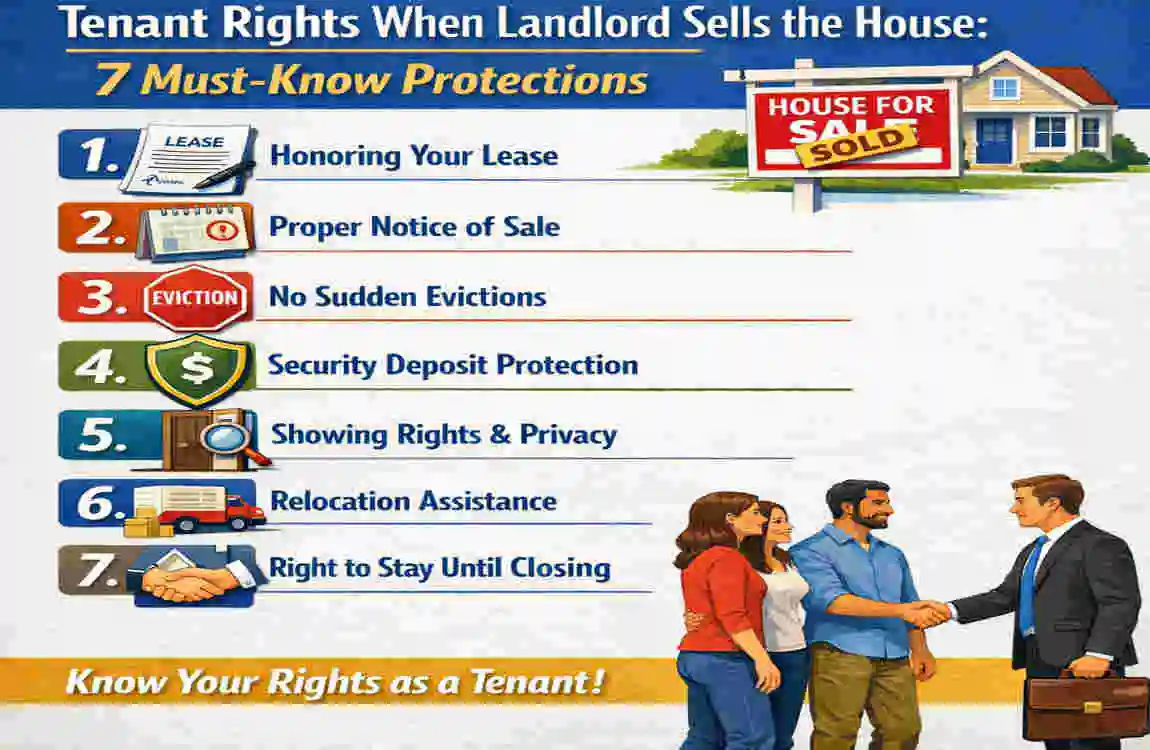
Imagine this: you are sitting on your couch on a quiet Sunday morning, enjoying your coffee. Suddenly, your phone buzzes. It is a text message from your landlord stating they are putting the property on the market next week. Panic immediately sets in. Do you have to pack your bags right away? Can strangers walk through your bedroom tomorrow? Will you lose your hard-earned security deposit?
If you are feeling overwhelmed, you are not alone. Facing a sudden property sale can be incredibly stressful, but it is crucial to take a deep breath. Understanding your rights as a tenant when the landlord is selling the house is key to protecting your peace of mind and your living situation.
The year 2026 has brought massive shifts in the real estate world, with housing booms driving property sales faster than ever. However, the law is on your side. You are not just a guest who can be kicked out on a whim; you are a legal resident with strong, enforceable tenant protections.
Why Tenant Rights Matter More Than Ever in a Hot Housing Market
The current real estate landscape in 2026 is moving at lightning speed. We are seeing rising property sales across global markets due to rapid economic recovery, and regional hotspots are no exception. For instance, real estate markets in places, and major US urban centers are hotter than ever.
According to recent 2026 property market reports from major platforms like Zameen and Zillow, home sales have increased by 15% year over year. Investors are eagerly buying up properties, and landlords are cashing out while prices are high.
When the market gets this hot, the risks for renters skyrocket. Some landlords become eager to sell “vacant” properties because empty houses are often easier to stage and sell to new families. This eagerness can lead to rushed evictions, illegal lockouts, or extreme pressure on you to break your lease early.
This is exactly why knowing your rights as a tenant when a landlord is selling a house is more critical today than it was a decade ago. You are the first line of defense for your own home. When you understand your eviction rights and leasing laws, you take away a bad landlord’s power to intimidate you. You transition from a worried renter into an empowered resident.
Now, let us explore the seven powerful protections that keep you safe during a property sale.
Your Lease Stays Valid – No Automatic Eviction
The single most terrifying myth about renting is that a property sale instantly destroys your lease. This is entirely false. Your lease is tied to the property itself, not just the person who originally signed it with you.
What the Law Actually Says
When we talk about your core rights, this is the big one: the new owner automatically inherits your lease. When the buyer purchases the house, they are also purchasing the terms, conditions, and agreements of your current tenancy.
Whether you are looking at the updated Tenancy Act of 2024 or standard state laws across the US, the principle remains the same. The new owner must honor the exact end date of your lease. If you have six months left on your contract, the new owner becomes your new landlord for those remaining six months. They cannot unilaterally change the rules, demand higher rent, or force you to leave just because their name is now on the property deed.
Real-Life Proof and Examples
Let us look at a practical example. Consider a recent case study of a tenant living in a bustling neighborhood in The landlord sold the house to an overseas investor, who immediately demanded that the tenant vacate within 14 days to begin renovations.
The tenant, aware of their tenant protections, refused to leave because they had 8 months left on their written lease. The new owner tried to take the matter to the rent controller. The court swiftly ruled in favor of the tenant, noting that the property sale did not extinguish the legally binding contract. The tenant stayed for the full eight months, and the new owner had to wait.
Action Steps to Protect Your Lease
So, how do you enforce this right?
First, locate your original signed lease agreement today. Make digital copies by taking clear photos on your phone. Save these in a secure folder.
Second, as soon as you learn that the house is being sold, send a polite written notice to your current landlord. State clearly that you intend to fulfill the remainder of your lease. Once the house is sold, proactively introduce yourself to the new owner, provide them with a copy of your lease, and establish how you will be paying rent moving forward.
Right to Quiet Enjoyment During Showings
A “For Sale” sign in the front yard does not mean your home becomes a public museum. You have a fundamental legal right known as “quiet enjoyment.” This means you have the right to live in peace without constant, annoying interruptions.
Scheduling Limits and Reasonable Notice
When a landlord wants to show the property to potential buyers, they cannot just unlock the door and walk in. They must give you reasonable notice.
In almost all jurisdictions, “reasonable notice” is strictly defined as 24 to 48 hours’ notice. The landlord must contact you, propose a specific time, and get your acknowledgment. Furthermore, showings must happen during reasonable hours. A real estate agent cannot demand to bring a buyer through your bedroom at nine o’clock at night or at six in the morning on a Sunday.
Privacy Protections and Boundaries
Your privacy is paramount. You are not required to leave your home during a showing. If you want to sit on your couch and watch television while the buyer walks through, you are perfectly within your rights to do so.
There are strict penalties for landlords who violate these rules. If an agent or landlord forces access, uses their key without permission, or ignores the 24-hour rule, they are trespassing. You have the right to refuse entry at the door if proper notice was not provided.
Practical Tips for Tenants
Managing showings can be exhausting, so set boundaries early. Sit down with your landlord and agree on a showing schedule. For example, you might agree to allow showings only on Tuesday evenings and Saturday mornings.
If a landlord repeatedly violates your privacy, you should send a formal denial letter. You can use a simple template stating: “I am writing to formally request that you respect my right to 24 hours’ written notice before entering the premises, as required by our lease and local law. Future unannounced visits will be denied.” Keep a record of every text, email, and unannounced visit.
No Forced Move-Out Without Cause
One of the most common questions people ask is: Can my landlord kick me out to sell the house? The short answer is no. A property sale is not a magic wand that makes your tenancy disappear.
Eviction Rules and Cause
Understanding your rights as a tenant when a landlord is selling a house means knowing what a “just cause” eviction is. Landlords can usually only evict you if you do something wrong, like failing to pay rent, severely damaging the property, or conducting illegal activities.
Simply deciding to sell the house is not a “just cause” to break an active, fixed-term lease. If you have a lease that ends in December, you get to stay until December, regardless of how many times the house changes hands.
Notice Periods for Month-to-Month Renters
The rules change slightly if you are on a month-to-month lease. If you do not have a fixed end date, the landlord can ask you to leave, but they still cannot do it overnight.
They must provide you with a proper, legally required notice period. Standard global practices usually dictate a 30-day, 60-day, or sometimes 90-day written notice, depending on how long you have lived there. In specific regions, such, notice periods can vary depending on local municipal laws. Still, 30 days is generally the absolute minimum for residential agreements.
Exceptions and Red Flags
You must stay vigilant against illegal tactics. Some desperate landlords might try to force you out through sheer discomfort. This is called a “constructive eviction,” and it is highly illegal.
Quick Checklist: Spotting Illegal Evictions
To keep you safe, here is a quick 10-point checklist to help you spot illegal eviction tactics during a property sale:
- Shutting off your utilities (water, electricity, or gas) to make the home unlivable.
- Changing the locks while you are at work or out of town.
- Removing your belongings from the property without a court order.
- Constant harassment through aggressive text messages or phone calls demanding you leave.
- Refusing to make emergency repairs (like a broken heater or leaking roof), hoping you will move out.
- Serving a fake eviction notice that does not have a court stamp or legal authority.
- Offering “cash for keys” but threatening you if you do not accept the lowball offer.
- Showing up unannounced daily to make you feel uncomfortable in your own space.
- Removing exterior doors or windows under the guise of “renovations” while you still live there.
- Increasing rent drastically in the middle of a lease to force you out financially.
If you experience any of these, contact a lawyer or a local tenant union immediately.
security Deposit Protections Transfer Seamlessly
Your security deposit is a significant sum, and the thought of losing it during a property transfer is terrifying. Fortunately, the law protects your hard-earned cash. Your security deposit does not just vanish when the house changes hands.
Handover Rules and Financial Trust
Legally, your security deposit is your money. The landlord is merely holding it in trust to cover potential damages. When your landlord sells the house and closes the deal with the buyer, the landlord is legally obligated to transfer your exact security deposit to the new owner.
The new owner then becomes fully responsible for holding that deposit and eventually returning it to you when you move out. The old landlord cannot keep it as a “bonus,” and the new landlord cannot demand that you pay a brand-new security deposit. The funds move from one bank account to another.
Dispute Resolution and Tracking Your Money
Mistakes happen, and sometimes deposits get lost in the shuffle of closing a real estate deal. To prevent this, you must be proactive.
Ask your current landlord for written confirmation that your security deposit has been transferred to the buyer. Request a receipt or a formal letter signed by both the old and new landlords. If the old landlord fails to transfer the money, the legal burden usually falls on the new landlord to make you whole. You would then request your refund from the new owner at the end of your lease, and it would be up to them to sue the old owner for the missing funds.
Digital Deposit Updates
In 2026, many regions have introduced new digital deposit laws. These laws require landlords to place security deposits into government-approved, third-party digital escrow accounts.
This modernization means that neither the old landlord nor the new landlord can easily steal your money. The funds sit safely in a digital lockbox. If your area uses these systems, make sure you log in to the portal and confirm that your deposit is registered correctly. This simple check takes two minutes but can save you thousands of dollars.
Rent Control and Increases Frozen
One of the biggest fears tenants face is that a new owner will immediately double the rent to pay for their new, expensive mortgage. Fortunately, your lease acts as a financial shield.
The Power of the Lease Lock-In
Your tenant protections guarantee that your rent price is locked in for the duration of your lease. If your contract states you pay a specific amount per month until October, the new landlord cannot raise your rent by a single penny until November.
It does not matter if property taxes went up. It does not matter if the new owner took out a massive loan to buy the house. Your contract is solid. Mid-term rent hikes are strictly prohibited when a valid lease is in place, providing you with absolute financial predictability.
Post-Lease Scenarios and Renewal Rights
What happens when your lease finally expires under the new owner? At that point, the new landlord does have the right to propose a rent increase or ask you to sign a new lease.
However, they cannot just spring a massive increase on you overnight. They must give you proper written notice before the lease ends—usually 30 to 60 days in advance. This gives you time to decide whether to accept the new price, negotiate a better deal, or start looking for a new place to live.
Regional Variations and Rent Control Acts
Your protection against rent hikes gets even stronger depending on where you live. For example, under frameworks like the Punjab Rent Control Act, there are often strict limitations on how much and how frequently a landlord can increase the rent, usually tying increases to specific percentages or inflation rates.
Similarly, many cities in North America and Europe have strict rent control or rent stabilization ordinances. If you live in a rent-controlled property, the new owner is bound by those municipal laws. They cannot bypass city rent caps just because they recently bought the building. Always check your local municipal websites to see if your specific address falls under rent control protections.
Right to Buy First? First Refusal Clauses
Did you know that the sale of your rental home is the perfect opportunity for you to become a homeowner? Before you start packing boxes, check your lease for a specific phrase: “Right of First Refusal.”
Right of First Refusal (ROFR) Explained
The Right of First Refusal (ROFR) is a legal clause included in many modern lease agreements. If your lease includes this clause, it means your landlord cannot sell the property to a stranger without first offering it to you.
When the landlord decides to sell, they must tell you their asking price. You then have a specified window of time—often 15 to 30 days—to decide if you want to buy the house at that price. If you say yes and secure financing, the landlord must sell it to you. If you decline, they can only put the property on the public market.
Negotiation Power as a Tenant-Buyer
Even if you do not have a formal ROFR clause in your lease, you still have significant negotiation power. Think about it from the landlord’s perspective: selling a house is expensive. They have to pay real estate agent commissions, staging costs, and marketing fees.
If you offer to buy the house privately, the landlord saves all of that money. You can use this to your advantage. Approach your landlord early in the process and express your interest in buying. You can negotiate a purchase price below market value because you are saving them significant hassle and agent fees.
Real Stories of Tenant Triumphs
In the highly competitive housing markets of 2026, many renters are becoming homeowners this way. Take the story of a young couple who received a sale notice. They loved their rental and had taken great care of it. They approached the landlord and pointed out that by selling to them directly, the landlord would save 6% in agent fees.
They negotiated a fair price, skipped the stressful public showings, and seamlessly transitioned from renters to owners without ever having to hire a moving truck. If you have good credit and a down payment saved, do not be afraid to shoot your shot!
Legal Recourse and Free Resources
Despite all these clear laws, some bad landlords will still try to cut corners, ignore your rights, or bully you into leaving. When this happens, you must know how to fight back. You have access to powerful legal recourse and community resources.
Sue for Violations and Small Claims Court Wins
If a landlord blatantly violates your rights as a tenant when they are selling a house, you can take them to court. You do not always need an expensive lawyer to do this.
Small-claims courts are designed for everyday people to resolve disputes without incurring massive legal bills. If your landlord illegally throws away your belongings, refuses to return your security deposit, or forcibly locks you out, you can file a case in small claims court. Judges take illegal evictions very seriously. Tenants frequently win these cases, resulting in landlords being ordered to pay thousands in damages, moving costs, and refunded deposits.
Hotlines and Tenant Organizations
You never have to fight these battles alone. Across the globe, dedicated organizations exist solely to protect eviction rights and uphold tenant safety.
For instance, groups Tenant Union or various local Legal Aid societies in Western countries provide free hotlines. You can call them, explain your situation, and get immediate, free legal advice. They can help you draft letters to your landlord, explain local ordinances, and even connect you with pro bono lawyers if your case goes to trial.
Preventive Measures: Annual Lease Audits
The best legal recourse is preparation. Do not wait for a “For Sale” sign to appear before you learn your rights.
Conduct an annual “lease audit.” Once a year, sit down and read your lease from start to finish. Make sure you understand the notice periods, the deposit rules, and your responsibilities. Keep an organized folder containing your signed lease, photographs of the property from the day you moved in, and receipts for all rent paid. Having this paper trail makes you practically bulletproof against illegal landlord tactics.
Tenant Rights Toolkit Download
To help you stay organized and protected, we recommend putting together a physical or digital folder.
Here is what your personal toolkit should include:
- A pristine copy of your current lease agreement.
- A printed checklist of 24-hour notice rules for showings.
- A blank template letter for denying illegal entry.
- A logbook to record the dates and times of all property showings.
- The phone number for your local tenant union or legal aid office.
- Proof of your initial security deposit payment.
Keep this toolkit handy, and you will never be caught off guard.
Common Myths About Rights as a Tenant When the Landlord is Selling the House
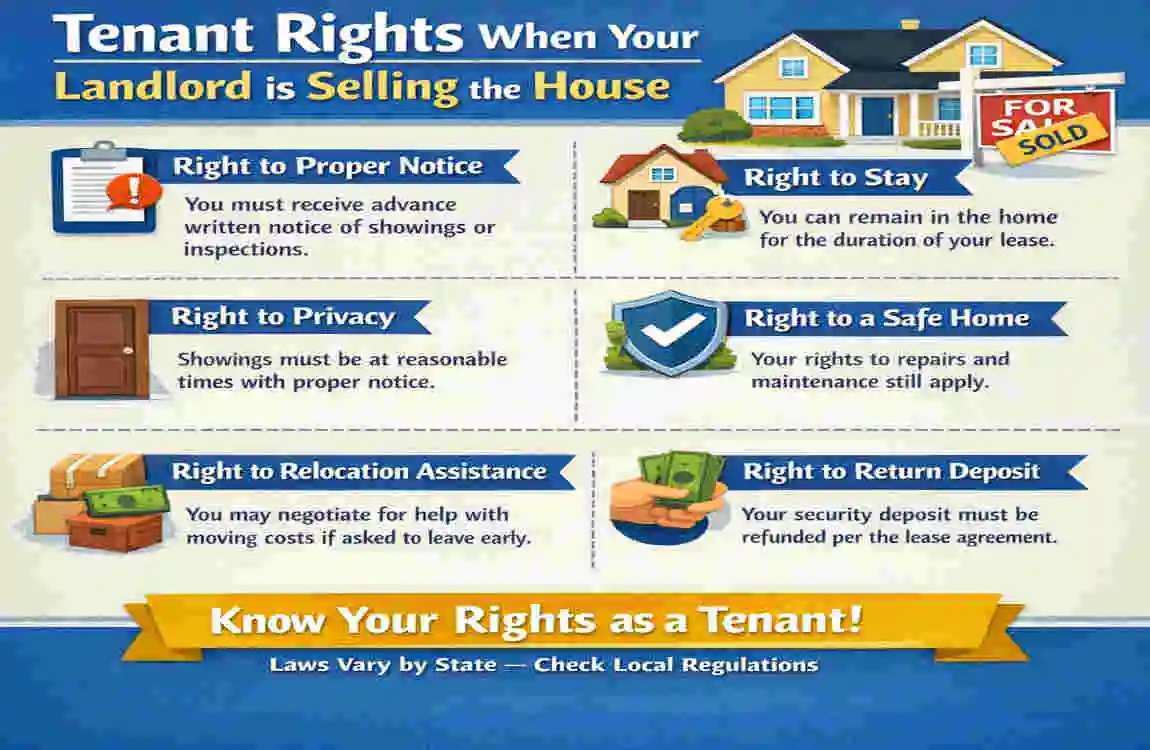
When rumors start flying about a property sale, bad advice spreads quickly. Friends, family, and even real estate agents might tell you things that are not true. To protect yourself, you need to separate fact from fiction.
Let us bust five of the most dangerous myths about your rights as a tenant when the landlord is selling the house with hard facts.
The Common Myth: The Legal Reality
A property sale means instant eviction. Reality: Your lease transfers in its entirety to the new owner. You cannot be kicked out before your lease ends just because the house was sold.
I have to leave the house during buyer showings. Reality: You have the right to remain in your home during all showings. You are not required to vacate the premises for buyers.
The new owner can double my rent immediately. Reality: The new owner is bound by your current lease terms. Rent cannot be increased until the current lease expires and proper notice is given.
I lose my security deposit if the old landlord keeps it. Reality: The law holds the new property owner responsible for your deposit. The old and new landlords must settle the transfer between themselves.
I must clean the house perfectly for every showing. Reality: While keeping it tidy is polite, you are not legally obligated to deep-clean or professionally stage your home for the landlord’s buyers.
Do not let these myths scare you into making bad decisions. Always rely on your written lease and local tenancy laws.
FAQs: Tenant Rights When Landlord Sells
To ensure we cover every possible angle, let us dive into some of the most frequently asked questions regarding tenant protections during a home sale.
What are my rights as a tenant when the landlord is selling the house or other major cities? Your core rights remain the same: your lease is valid, you require a 24-hour notice for showings, and you cannot be evicted without cause. Local rent control acts may also prevent arbitrary rent hikes upon lease renewal.
Can I refuse to let people view the house? You cannot issue a blanket refusal for all showings if the landlord gives proper 24-48 hours’ notice. However, you can absolutely refuse entry if they show up unannounced or propose a highly unreasonable time (like midnight).
What happens if the new owner wants to move in themselves? This is a common scenario called an “owner move-in.” If you are on a month-to-month lease, the new owner can give you a standard notice (usually 30 to 60 days) to vacate so they can live there. However, if you have a fixed-term lease (e.g., valid until December), they must wait until December to move in, unless they negotiate a buyout with you.
Can I break my lease early if the landlord lists the house? Not automatically. The landlord selling the house does not give you the legal right to break your lease without penalty. If you want to leave early to avoid the stress of showings, you should talk to your landlord. They might happily agree to a mutual lease termination because selling an empty house is easier for them!
What is “cash for keys”? “Cash for keys” is a legal, voluntary agreement in which the landlord pays you a lump sum to move out early and hand over the keys. If the new owner wants to move in immediately, but you have six months left on your lease, you can negotiate a high cash payout in exchange for leaving early.
Who do I pay rent to during the transition? You continue paying your current landlord until you receive formal, written notice that the sale has closed. This notice should include the new owner’s name, contact information, and exact instructions for paying rent moving forward. Never send money to a new person without written proof of the sale.
Can the real estate agent put a lockbox on my door? Generally, yes, a lockbox is allowed for agent access. However, the agent must still give you 24-48 hours’ notice before actually using the lockbox to enter the home. They cannot simply use it to walk in whenever they please.
Do I have to sign a new lease with the new owner? No. You do not have to sign a new lease immediately. Your old lease remains fully active and binding until its stated expiration date. Once it expires, the new owner can ask you to sign a new lease with updated terms.
