
Have you ever stopped to think about the hidden nervous system running behind your walls? As we navigate through 2026, home safety and energy efficiency have never been more critical. We are currently facing rising electricity costs worldwide, and unfortunately, we are also seeing a steady increase in electrical fire risks in modern homes. Our houses are packed with power-hungry gadgets, smart appliances, and heavy-duty air conditioners. All these devices place an enormous strain on your home’s electrical system.
If you are building a new house, renovating an old property, or simply updating a single room, you must ask yourself a vital question: which wire is better for house wiring?
Choosing the right electrical cables is not just a minor detail for your builder to handle. It is a fundamental decision that directly impacts your family’s safety, your monthly utility bills, and the overall resale value of your property. By selecting top-tier electrical cables, you actively prevent dangerous short circuits. Furthermore, you guarantee that your expensive appliances receive a clean, steady power supply without any energy waste.
Why Wire Quality Matters for Homes
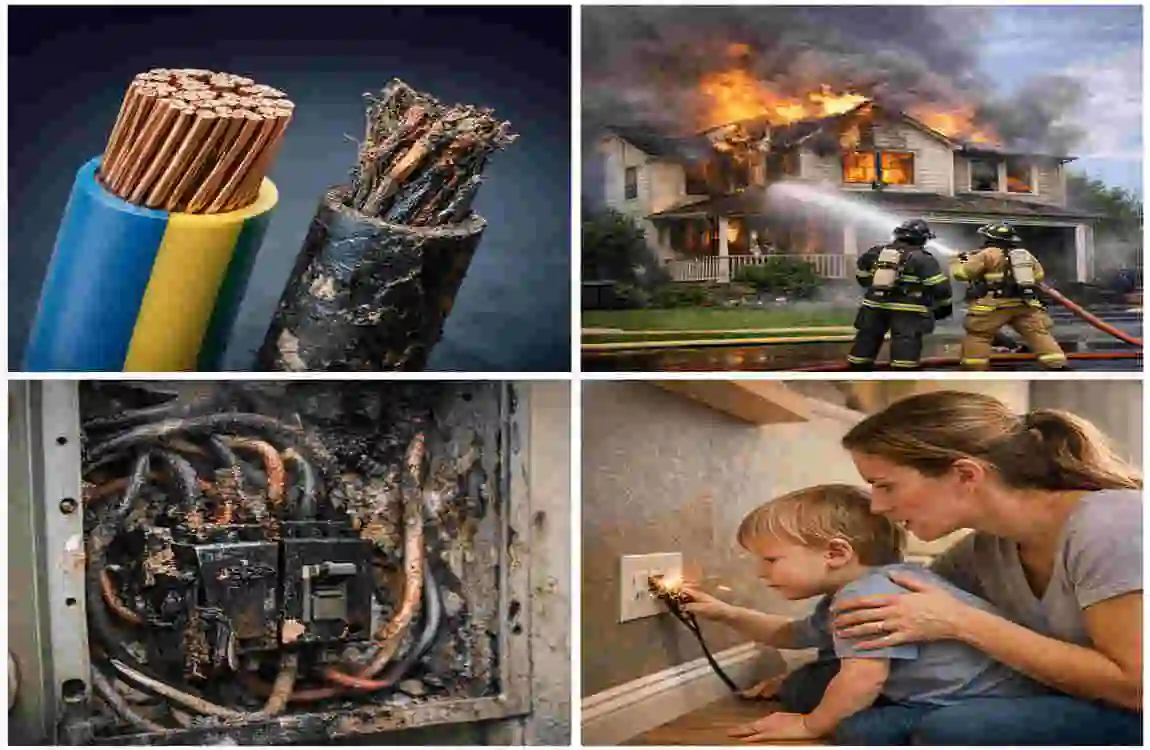
Many homeowners make a massive mistake when they build or renovate. They spend a fortune on fancy light fixtures, Premium air conditioners, and beautiful smart switches, but they try to save money on the actual cables hidden inside the walls. This is a dangerous gamble. The quality of your home’s electrical cables matters more than almost any other building material you will buy.
To understand why, we need to talk about how electricity flows. You can think of an electrical cable like a water pipe. If the pipe is smooth and made of high-quality material, the water flows perfectly. If the pipe is rough, narrow, or rusty, the water struggles to push through. In the electrical world, we call this flow “conductivity,” and we call the resistance to that flow simply “resistance.”
When you use cheap, low-quality cables with high resistance, your electrical system has to work much harder to deliver power to your appliances. This struggle creates friction, and electrical friction turns into heat. Over time, this constant heating and cooling weakens the plastic coating around the metal. Eventually, the coating melts, the bare metals touch, and a devastating electrical fire begins. Statistics show that thousands of home fires every single year start because of overloaded, poor-quality electrical circuits.
Beyond safety, there is a massive financial benefit to buying high-quality cables. Because Premium wires have incredibly low resistance, they do not waste your electricity as heat. When you install top-tier cables, you can actually reduce your monthly air conditioning and power bills by up to 15%. Over the lifespan of your home, this easily pays for the slightly higher upfront cost of the Premium materials.
Finally, you must consider your local environment. If you live in a region with high humidity and extreme summer heat—such as Lahore or similar climates in the subcontinent—your cables face a tough environment. You need highly flexible materials that will not become brittle in the heat. You also need tough outer jackets that can resist moisture and even stop household rodents from chewing through your critical power lines.
Copper vs Aluminum: The Core Debate
When you visit a hardware store to buy electrical supplies, you will immediately face the most famous debate in the construction world. Should you buy copper or aluminum? Both metals carry electricity, and both are used worldwide. However, when it comes to the safety of your family home, they are not created equal. Let us break down exactly which wire is better for house wiring by comparing these two popular metals.
Conductivity Breakdown
As we discussed earlier, conductivity is the measure of how easily electricity flows through a metal. When we compare our two contenders, copper is the absolute champion. Copper has roughly 60% better electrical flow than aluminum.
Imagine you are running a heavy-duty air conditioner in your main bedroom. If you use a high-quality copper cable, the electricity glides through the metal effortlessly. The cable remains cool to the touch, and your AC unit gets all the power it needs to cool your room quickly.
If you use aluminum for that same circuit, the metal naturally resists the flow of electricity. Because aluminum is a poorer conductor, it acts like a bottleneck. The electricity forces its way through, causing the aluminum to heat up significantly. This heat buildup wastes your expensive electricity and puts massive stress on your home’s electrical panel.
Safety Risks and Long-Term Durability
The heat buildup in aluminum poses a much more serious problem: safety risks. All metals expand when heated and contract when cooled. Because aluminum gets much hotter than copper during heavy use, it expands and contracts violently.
When an aluminum cable expands and contracts repeatedly inside your wall socket, it eventually works its way loose from the screws holding it in place. A loose electrical connection is a massive fire hazard because it causes the electricity to spark or “arc” across the tiny air gap.
Furthermore, aluminum undergoes a form of electrical rusting known as oxidation. When aluminum is exposed to the air, it forms a white, chalky rust on its surface. This rust acts as a block, preventing electricity from flowing and creating even more dangerous heat. Copper, on the other hand, is incredibly forgiving. It possesses a quality called “ductility,” which is just a fancy word for bendability. You can bend, twist, and pull copper without it snapping or losing its shape. This makes it incredibly reliable for the long-term life of your house.
Cost Analysis Table
To give you a clear visual comparison, we have broken down the core differences in the table below. This will help you easily spot why experts always recommend one over the other for residential use.
AspectCopper WiresAluminum Wires
Conductivity (Flow) Superior (Minimal energy loss) Lower (Causes heat buildup)
Durability (Lifespan) 50+ years 20 to 30 years
Home Suitability: Ideal for all indoor residential circuits. Only safe for the main outdoor service entries
Price per Meter : Higher initial investment , Cheaper upfront, but risky long-term
As you can see, while aluminum might save you a few dollars at the checkout counter, it simply cannot compete with copper’s safety, longevity, and efficiency inside your home.
Top Insulation Types for Safety
We spend a lot of time talking about the metal inside the cable, but the plastic coating on the outside is just as important. This coating is called insulation. Its primary job is to keep the electricity safely trapped inside the metal so it does not shock you or burn your house down.
In 2026, standard cheap plastic will no longer be acceptable. Modern electrical codes require advanced chemical coatings designed to protect your family during an emergency. Let us explore the top insulation types available on the market today.
The FR Category: Flame Retardant
If you are building a budget-friendly home or updating a simple outhouse, you will likely encounter FR cables. FR stands for Flame Retardant. This is the most basic level of modern fire protection. If a short circuit causes a spark, the FR plastic is chemically treated to stop the fire from spreading quickly. It will eventually burn if the heat is high enough, but it gives you precious time to turn off the main power and extinguish the flame.
The HRFR Category: High Ratio Flame Retardant
For multi-story houses, townhomes, and modern villas, you need to step up to HRFR. This stands for High-Ratio Flame Retardant. These cables have a much thicker, more robust chemical barrier against fire. They are specifically designed to withstand higher temperatures for longer periods. If you have multiple heavy appliances running at the same time, HRFR provides an excellent middle-ground balance between safety and budget.
The LSOH Category: Low Smoke Zero Halogen
When it comes to ultimate family safety, LSOH is the absolute gold standard. LSOH stands for Low Smoke Zero Halogen. Here is a terrifying fact about house fires: the flames rarely cause the most harm. Most injuries occur because standard plastic insulation releases thick, black, toxic smoke when it burns. This smoke blinds people and makes it impossible to breathe.
LSOH insulation is completely free of toxic halogen chemicals. If an LSOH cable catches fire, it releases a very thin, white, non-toxic smoke. This ensures your family can see the exit doors clearly and breathe safely as they escape. While LSOH is legally mandatory for public buildings like hospitals and malls, smart homeowners in 2026 are increasingly demanding it for their private family homes.
The Science of Heat Resistance
Beyond fire safety, you also need insulation that handles extreme everyday heat. Modern Premium cables use a special type of baked plastic called XLPE (Cross-Linked Polyethylene). Standard thermoplastic melts easily, but XLPE withstands short-circuit temperatures that can exceed 250°C. By choosing cross-linked plastics over standard, cheap coatings, you ensure your electrical system operates efficiently without degrading over time.
Best Wire Picks for Homes
Now that you understand the science of conductivity and the importance of high-tech plastics, let us look at the absolute best options available on the market right now. When you ask professionals which wire is better for house wiring, they will almost always point you toward a few specific, high-quality categories.
ETP Copper Wires
If you want the best of the best, look for cables labeled ETP Copper. ETP stands for Electrolytic Tough Pitch. This is a highly refined, heavily processed copper that achieves an astonishing 99.99% purity level. Because there are virtually no microscopic impurities (like dirt or oxygen bubbles) hidden inside the metal, you experience zero energy loss. ETP copper is the ultimate choice for powering your daily lights, ceiling fans, and smart home hubs.
Platina FRLF Technology (Lead-Free)
Another incredible advancement for 2026 homes is the rise of Platina FRLF cables, heavily popularized by Premium brands across the Indian and Pakistani subcontinent. FRLF stands for Flame Retardant Lead-Free.
In the past, manufacturers used lead to make the plastic coating soft and flexible. We now know that lead is highly toxic to humans and the environment. Platina FRLF cables completely remove this dangerous metal. Furthermore, these specific cables are treated with a special anti-termite and anti-rodent chemical. If you live in a region where pests like to hide in walls and chew on cables, this pest-resistant feature will save you from catastrophic electrical failures.
Regional Favorites for Pakistani Households
If you are building a home in Pakistan, you will hear electricians use very specific numbers, such as “3/29” or “7/29”. These numbers refer to the cable’s physical makeup.
The first number tells you how many individual strands of metal are twisted together inside the plastic. The second number tells you the thickness of each strand.
- 3/29 Cables: These contain 3 thin strands of copper. They are the absolute favorite for standard lighting circuits and ceiling fans.
- 7/29 Cables: These contain 7 thicker strands of copper. Because they carry much more metal, they are the go-to choice for your wall sockets where you plug in irons, vacuums, and small heaters.
Electricians love these stranded cables because they are highly flexible, making them incredibly easy to pull through the plastic pipes hidden in your brick walls.
Premium Safety: Newage HRFR
For those who refuse to compromise on safety, Premium options like Newage HRFR cables offer intense peace of mind. These cables feature a remarkably high “oxygen index.” In simple terms, fire needs oxygen to burn. A high oxygen index means the plastic coating requires an unnaturally high amount of oxygen to catch on fire. In a normal home environment, it simply will not burn on its own, stopping electrical fires before they ever start.
Quick Pros and Cons of Premium Picks
To help you decide, here is a quick list of the pros and cons of investing in these top-tier 2026 options:
Pros:
- Massive reduction in monthly electricity bills due to 99.99% copper purity.
- Eliminates the risk of toxic smoke during emergencies (with LSOH or lead-free options).
- Stranded designs (like 7/29) make installation much faster for your electrician.
- Rodent-proof chemical coatings prevent expensive future repairs.
Cons:
- The initial purchase price is noticeably higher than standard, unbranded market alternatives.
- Premium thick insulation can be slightly bulkier, requiring slightly larger wall pipes.
Wire Sizes for House Circuits
One of the biggest mistakes you can make is using the wrong size cable for the wrong appliance. Let us return to our water-pipe analogy. You would not use a massive, high-pressure fire hose to water a tiny potted plant. Similarly, you would not use a tiny drinking straw to fill up a massive swimming pool.
In electrical wiring, cable thickness is measured in square millimeters (sq mm). You must match the cable thickness to the appliance’s power requirements. If you push heavy AC power through a thin lighting cable, the cable will act as a bottleneck, overheat, and catch fire.
The Lighting Champions
These are your thin, highly flexible cables. They are designed specifically for appliances that sip electricity very slowly. You will use these cables to wire all your LED ceiling lights, decorative chandeliers, ceiling fans, and smart home security cameras. Because these devices draw very little power, a 1.5 sqmm cable provides more than enough room for the electricity to flow comfortably.
The Heavy Lifters
This is where you need serious metal. These medium-thick cables are designed for your standard wall sockets and your heavy appliances.
A 2.5 sqmm cable is perfect for your kitchen sockets where you plug in blenders, microwaves, and electric kettles. For your 1.5-ton or 2.0-ton air conditioner, you must step up to a 4.0 sqmm cable. Air conditioners require a massive surge of power when they first turn on. A 4.0 sqmm copper cable easily handles this sudden power spike without heating up or dropping the voltage.
The Main Arteries
Finally, we have the massive, thick cables measuring 6.0 sqmm, 10.0 sqmm, or even higher. These are the main arteries of your home. You will never plug a TV directly into one of these. Instead, these heavy cables run from your street’s electricity meter directly into your home’s main distribution breaker box. They carry the combined power of your entire house, so they must be incredibly thick to prevent what we call “voltage drop”—a situation where power is lost over a long distance, causing your lights to flicker.
Installation Tips for Efficiency
Even if you buy the most expensive, purest ETP copper on the planet, it will fail if it is installed poorly. The way your electrician handles the installation process directly dictates the safety and efficiency of your home.
The Step-by-Step Approach to Proper Installation
Uncompromised Earthing (Grounding) The absolute most important step in home wiring is proper earthing, also known as grounding. An earth wire is a dedicated escape route for runaway electricity. If lightning strikes your home, or a washing machine motor breaks and sends electricity into its metal shell, the earth wire catches that dangerous electricity and safely buries it deep into the ground outside. Never let an electrician skip installing a dedicated green-earth wire in every socket.
Mandating High-Quality Conduits. Never bury a bare electrical cable directly into concrete or brick. The chemicals in the cement will gradually degrade the plastic insulation. Always insist that your electrician run the cables through heavy-duty PVC conduit. This protects the cables from moisture and makes it incredibly easy to pull old cables out and push new ones in if you ever need an upgrade.
Banishing Tape Joints. Here is a massive warning for homeowners. When electricians need to connect two wires, lazy workers twist the bare copper together with their fingers and wrap it in black sticky tape. This is highly dangerous. Over time, the tape dries out, falls off, and exposes live wires. Always insist that your electrician use proper, modern plastic connector blocks to join wires safely.
A Warning Against DIY Electrical Work
While painting a wall or fixing a leaky faucet is a fun weekend DIY project, electrical work is strictly for professionals. Modern city codes, especially strict regulations in rapidly developing areas like Lahore, require certified professionals to sign off on electrical safety. A tiny mistake in your wiring cannot just fail an inspection; it can silently spark a fire while you are sleeping. Always hire a licensed pro.
Cost vs Long-Term Savings
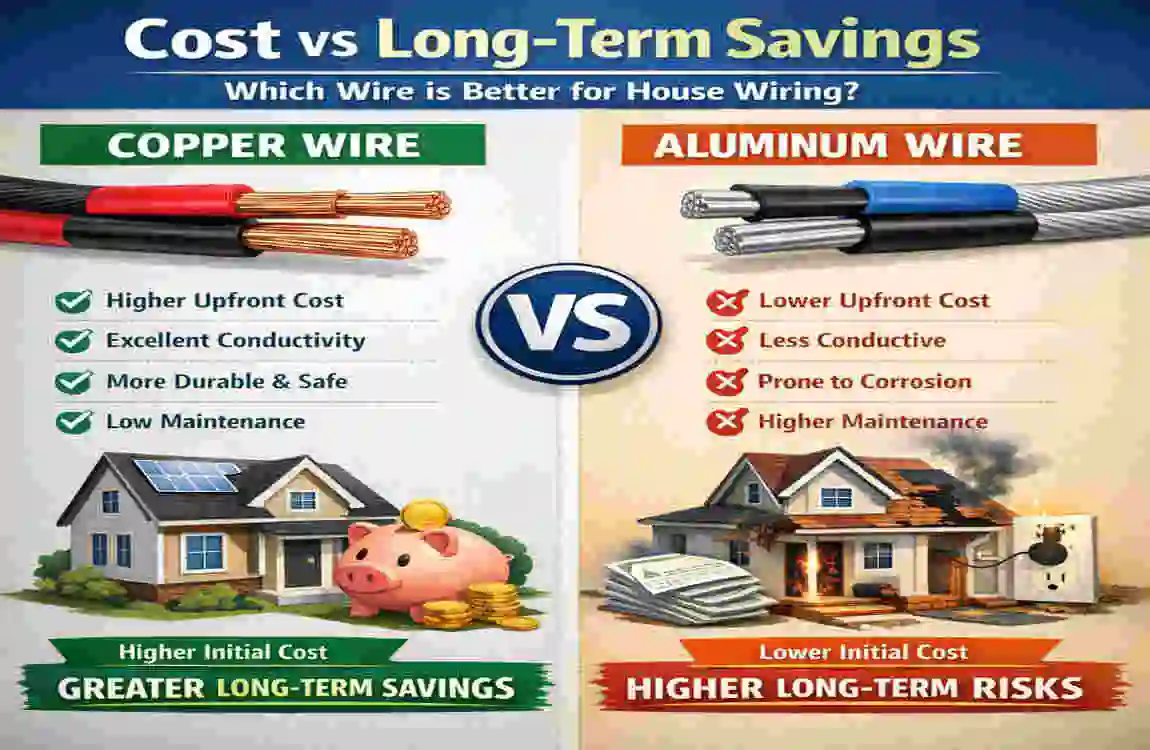
It is totally natural to feel a bit of sticker shock when you price out a Premium electrical installation for a new home. However, you must view this as a long-term investment, not a short-term expense.
Let us break down the harsh realities of the numbers. In the current 2026 market, Premium ETP copper cables typically cost between PKR 150 and PKR 300 per meter, depending on thickness and insulation type. Aluminum cables might look incredibly tempting because they are significantly cheaper per meter.
However, the savings you get from aluminum are instantly erased the moment you have a problem. When an aluminum wire overheats and burns out a wall socket, you have to pay an emergency electrician to come to your house, break open your plastered wall, find the burnt wire, replace the socket, and then hire a painter to fix the cosmetic damage. A single repair costs more than the money you saved by buying aluminum.
Furthermore, you must calculate your Return on Investment (ROI) based on electrical efficiency. Because 99.99% pure copper does not waste your electricity as heat, your monthly utility bills drop. For a standard four-bedroom family home running multiple air conditioners, the savings on your monthly power bill will fully offset the extra cost of the Premium copper within the first 5 years. After that, the copper literally saves you cash every single month for the next half-century.
FAQs: Which Wire is Better?
To ensure you walk away with total clarity, let us answer the most frequently asked questions homeowners have about electrical safety and choices.
Should I choose copper or aluminum for my house wiring? Without a doubt, copper wins every single time for indoor residential wiring. It is significantly safer, carries electricity much more efficiently, does not loosen over time, and will outlast the lifespan of your home. Aluminum should only be used by utility companies for the massive overhead power lines outside your house.
What is the best type of cable to use for modern high-rise apartments? If you live in a multi-story high-rise building, you should absolutely insist on LSOH (Low Smoke Zero Halogen) cables. In a tall building, evacuating during an emergency takes much longer. LSOH cables ensure that if a fire does break out, the hallways will not fill up with toxic, blinding black smoke, giving everyone ample time to escape down the stairs safely.
What are the biggest electrical trends for homes in 2026? The biggest trend right now is the shift toward highly eco-friendly and thermally stable XLPE insulation. As the globe gets hotter and our homes demand more electricity for electric car chargers and smart tech, we need plastics that do not melt under pressure. Eco-friendly XLPE cables provide unmatched heat resistance while eliminating toxic heavy metals like lead from our living environments.
