

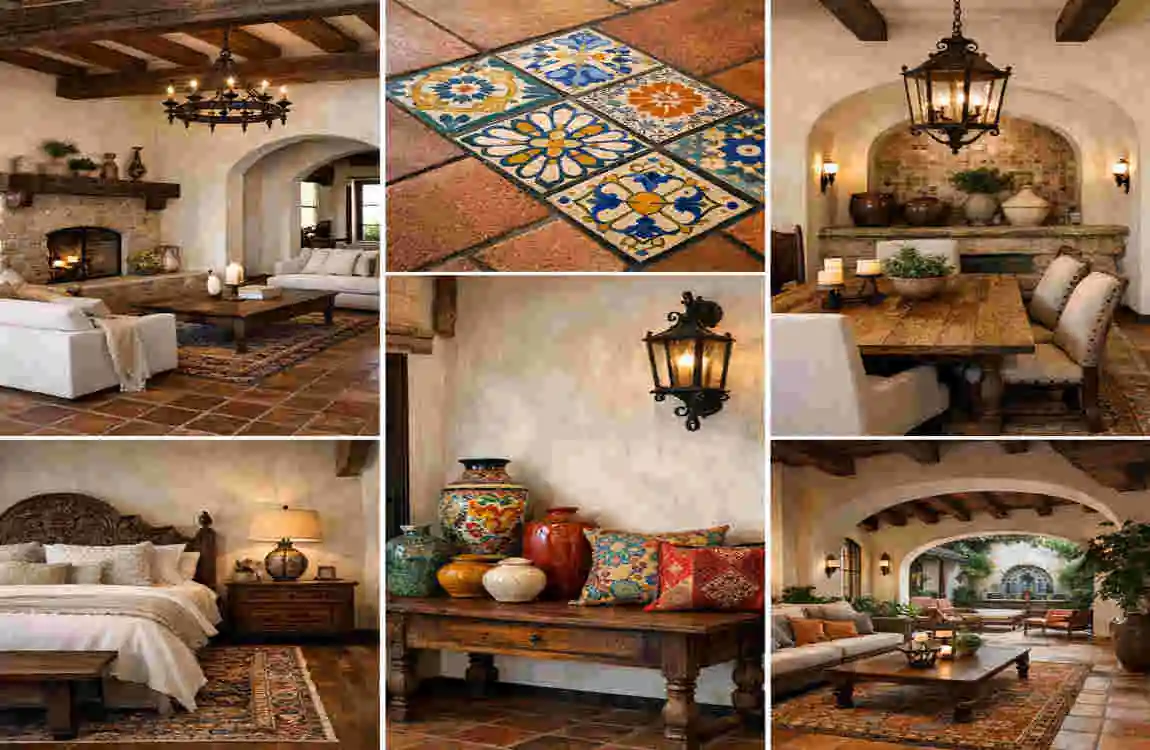
Modern Spanish-style home interiors have a way of making a space feel warm, inviting, and timeless at the same time. The moment you walk into a room with soft white walls, rich terracotta accents, arched openings, and natural textures, the mood changes. It feels relaxed, but never dull. It feels elegant, but never cold.
That balance is exactly why this style continues to grow in popularity. In a world full of sleek, highly polished interiors, many people are craving spaces with character. They want homes that feel lived in, grounded, and personal. Modern Spanish-style home interiors answer that need beautifully.
This style is not about copying an old villa exactly as it once was. Instead, it blends the charm of traditional Spanish design with cleaner lines and simpler styling. You get the beauty of heritage details, with a fresher, more livable feel. That is what makes the modern version so appealing right now.
If you are drawn to earthy colors, natural materials, and spaces that feel both relaxed and refined, this style may be a perfect fit. It works in large homes, small apartments, city townhouses, and even updated ranch-style spaces. You do not need a full architectural remodel to achieve this look in your home.
Historical Roots of Spanish Style
Where the style began
To understand modern Spanish-style interior design, it helps to know its origins. Spanish style has deep roots in Spanish Colonial architecture, which spread through parts of Europe, Latin America, and the American Southwest over many centuries. Practical building needs, local materials, and cultural influences from many different regions shaped it.
One of the strongest influences came from Moorish design, which introduced elements such as arched doorways, patterned tiles, carved details, and courtyard living. These features were beautiful and practical in warm climates. They helped luxury homes stay cool, bright, and comfortable.
Spanish Revival and the American Southwest
In the early 1900s, especially during the 1920s, Spanish style had a major moment in the United States. This period is often called the Spanish Revival. Builders and designers in California, Florida, and the Southwest began using stucco walls, red-tile roofs, wrought iron, and decorative tile work to create homes that felt romantic and rooted in history.
These homes were not exact copies of old Spanish buildings. They were reinterpretations. That matters because modern Spanish style follows the same idea. It takes the old language of the style and translates it for current living.
Why it still matters today
Spanish style has lasted because it tells a story. It feels connected to the land, to craftsmanship, and to the idea of home as a warm gathering place. That is powerful.
Today, designers often update Spanish-inspired spaces with simpler layouts, lighter colors, and more open sight lines. The result is a home that feels authentic but not heavy, classic but not dated. That is the essence of modern Spanish-style home interiors.
Core Elements Defining Modern Spanish Style Home Interiors
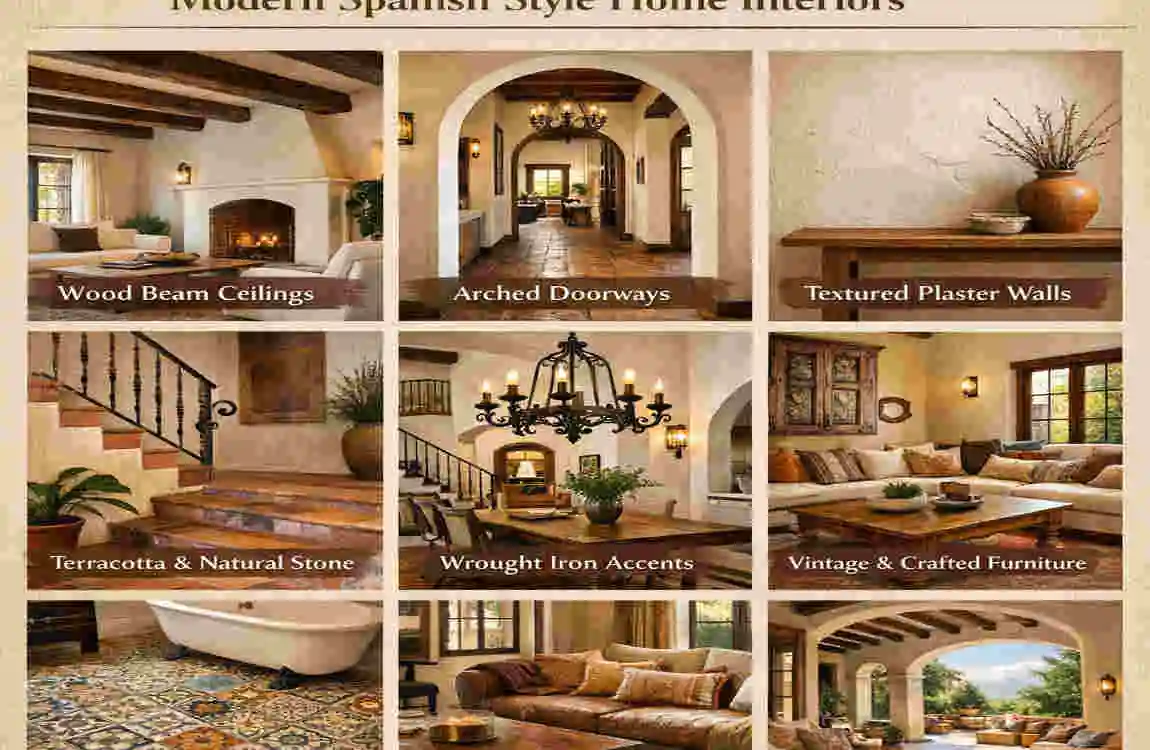
If you want to recognize this style quickly, look for a mix of old-world charm and modern ease. The key is not one single feature. It is the way several elements work together.
Arched doorways and openings
Arches are one of the most recognizable details in Spanish-inspired design. They soften a space and make it feel more graceful. In modern settings, arches are often used in doorways, niches, windows, mirrors, and even cabinet fronts.
Instead of looking ornate, they usually feel clean and sculptural. That subtle shape adds elegance without making the room feel busy.
Terracotta and Saltillo tiles
Tile is a huge part of the style. Terracotta and Saltillo tiles bring warmth underfoot and instantly create a Spanish feel. Their handmade look adds character, and their rich color works well with both white walls and darker accents.
In modern spaces, these tiles may appear on floors, backsplashes, stair risers, fireplaces, or even patios that connect to the interior.
Exposed wooden beams
Wood beams are another signature feature. Traditionally, they added structure and warmth. In modern Spanish-style interiors, beams often serve as a design statement.
Dark-stained beams create contrast against pale ceilings. Lighter wood beams feel softer and more casual. Either way, they add depth and a sense of craftsmanship.
Wrought iron details
Wrought iron gives Spanish interiors a strong visual identity. It may appear in lighting, stair railings, mirrors, curtain rods, or furniture frames. The material feels sturdy and timeless.
In a modern home, wrought iron is usually used more sparingly. That keeps the space from feeling overly decorative. A single iron chandelier or black-framed mirror can be enough.
Hand-painted tile accents
Talavera-inspired tiles and other hand-painted patterns bring color and personality into the room. These details often appear in kitchens, bathrooms, fireplaces, or entryways.
The modern version tends to use tile more selectively. Instead of covering every surface, designers might use it as a bold focal point. That creates a stronger visual impact.
Natural stone and plaster surfaces
Rough plaster walls, stone floors, and textured finishes are common in Spanish-inspired interiors. They make the home feel grounded and organic.
Modern Spanish style often keeps these surfaces softer and more refined. A smooth limewash wall or a gently textured plaster finish can give you the same feeling without looking too rustic.
Courtyard-inspired flow
A true Spanish home often connects indoor and outdoor spaces naturally. Rooms open into patios, terraces, or courtyards. This flow encourages light, air, and easy movement.
Even if your home does not have a courtyard, you can still bring in this feeling with large windows, French doors, indoor plants, and outdoor-style seating near a bright entry or living area.
Simple, comfortable shapes
Modern Spanish-style home interiors are not overloaded with fussy details. The furniture is often rounded, low, and comfortable. The feeling is relaxed, not stiff.
This is one of the biggest differences between traditional Spanish revival and the modern version. The old style may feel richly decorated. The modern version keeps things calmer and more open.
Quick list: the most important features
If you want a fast snapshot, these are the core elements to remember:
- Arches
- Terracotta or clay tile
- Wood beams
- Wrought iron accents
- Textured white or beige walls
- Natural stone and wood
- Handmade ceramic details
- Indoor-outdoor connection
- Warm, earthy color palettes
- Simple, comfortable furniture
These details are the backbone of the style. When they work together, the room feels cohesive and inviting.
Room-by-Room Breakdown
Living room
The living room is often where modern Spanish-style home interiors shine the most. This is the place to create warmth, comfort, and visual balance.
Start with a soft, neutral base. Whitewashed walls or a light plaster finish can make the room feel open. Then add texture with a woven rug, a wooden coffee table, or a leather chair. A fireplace, if you have one, can become a beautiful focal point. Even a simple fireplace surround, tiled or stone, can make a big difference.
Choose furniture that feels low and grounded. A linen sofa, curved armchair, or rounded ottoman fits the style well. Add pottery, baskets, and a few handcrafted objects rather than too many small decorations. The goal is to make the room feel collected, not crowded.
Natural light matters here, too. Let the windows breathe. Light curtains or sheer panels help keep the room soft and bright.
Kitchen
The kitchen in modern Spanish design should feel practical, warm, and welcoming. It does not need to be overly ornate. In fact, the best kitchens often mix rustic materials with clean cabinetry.
A butcher-block counter, open shelving, or a simple tile backsplash can bring a Spanish feel to the room without overwhelming it. If you want more personality, use patterned tiles behind the stove or sink. That gives you a focal point while keeping the rest of the kitchen calm.
Cabinet colors usually stay grounded. White, cream, muted olive, deep brown, or soft gray all work well. Hardware in matte black or aged bronze can also support the style.
Keep the space functional. Modern Spanish kitchens work best when they feel easy to use every day. That means smart storage, uncluttered counters, and a layout that supports real cooking and gathering.
Bedroom
A bedroom in this style should feel peaceful and slightly romantic. You want a space that feels restful the moment you walk in.
A canopy bed or a bed with a carved wood frame can nicely anchor the room. Linen bedding, woven throws, and soft drapes help create the right mood. You do not need many pieces. A bench, a side table, and a lamp may be enough if the room already has good architectural character.
The colors should stay soft and comforting. Think warm white, beige, clay, muted rust, or dusty blue. Keep the décor simple. A few ceramic vases, a mirror with an arched frame, or a woven basket for blankets can be enough.
The bedroom should feel like a retreat. That is one of the best things about modern Spanish-style interiors. They know how to be beautiful without becoming too formal.
Bathroom
Bathrooms are the perfect place to showcase Spanish-inspired details. Small spaces can handle bolder choices, especially with tile.
Clawfoot tubs, vessel sinks, arched mirrors, and decorative tile work all fit the style. You can use mosaic tiles on the floor or in the shower for a rich, handcrafted look. Even a simple backsplash with a subtle pattern can lift the whole room.
Stone, plaster, and warm metal finishes work very well here. Choose fixtures in black, brass, or aged bronze rather than shiny chrome to maintain a consistent mood.
A modern Spanish bathroom should feel like a blend of spa and tradition. It can be elegant, but it should still feel calm and livable.
Color Palettes and Textures
Color is one of the biggest tools in this style. The right palette can make even a simple room feel connected to Spanish design.
Texture matters as much as color.
Color alone is not enough. The magic of this style often comes from texture.
Plaster walls have a soft, irregular surface that adds depth. Linen has a relaxed, breathable look. Leather feels warm and durable. Wood brings warmth and structure. Ceramics, woven fibers, and stone all contribute their own character.
In a modern Spanish home, you want a mix of textures that feel natural, layered, and touchable. That keeps the room from looking flat.
A simple color rule that works well
A useful approach is the 60-30-10 rule, adapted for this style:
- 60%: a light, warm base like whitewash, cream, or pale beige
- 30%: a medium tone like terracotta, tan, or muted brown
- 10%: a broader accent like navy, olive, or charcoal
This keeps the room balanced. The palette feels warm, but not heavy.
Color palette table
Color Family Shades Best Use Hex Code
Earth Tones Terracotta, clay, rust Floors, accents, pottery #C1440E
Warm Neutrals Whitewash, cream, sand Walls, ceilings, large furniture #F5F2E9
Deep Accents Indigo, navy, charcoal Pillows, art, tiles, lamps #2E4057
Natural Greens Olive, sage, moss Upholstery, plants, décor #6B7B4A
Warm Browns Walnut, oak, leather Furniture, beams, frames #7A4E2D
How to use texture without overdoing it
One of the easiest mistakes is to add too many textures at once. You do not need every surface to compete for attention. Instead, let one or two textures lead the way.
For example, pair a rough plaster wall with a smooth leather chair. Or combine a tiled fireplace with a soft linen sofa. That contrast creates interest while still keeping the room calm.
Furniture and Decor Essentials
Furniture is where the style becomes personal. The pieces you choose should feel sturdy, comfortable, and full of character.
What to look for in furniture
Modern Spanish-style furniture often has a relaxed, handmade look. It may be carved, curved, or slightly rustic, but it should still feel clean enough for modern living.
Look for:
- Wooden tables with visible grain
- Linen or cotton upholstered sofas
- Leather club chairs
- Arched cabinets or mirrors
- Ceramic stools or side tables
- Iron-framed beds or chairs
- Woven benches and baskets
These items do not need to look antique. They need to feel authentic in material and shape.
Decorative pieces that work well
Decor in this style should feel curated and intentional. Too many small objects can make the room look busy.
The best decorative items usually include:
- Handmade pottery
- Clay vases
- Woven baskets
- Iron candle holders
- Patterned cushions
- Natural fiber rugs
- Vintage-style mirrors
- Framed artwork with earthy tones
- Wooden bowls
- Simple ceramic lamps
Each item should add warmth or texture. If a piece feels glossy, flashy, or too trendy, it may not fit the style as well.
Lighting choices
Lighting plays a big role in setting the mood. In modern Spanish-style interiors, lighting often feels soft, warm, and slightly dramatic.
Good options include:
- Forged iron pendants
- Lantern-style fixtures
- Simple brass sconces
- Ceramic table lamps
- Chandeliers with clean lines and old-world character
Try to avoid lighting that feels too cold or too industrial. Warm bulbs can make a huge difference here. They help the entire room feel more inviting.
Incorporating Modern Twists
A modern Spanish home should not feel like a museum. It should feel current, useful, and easy to live in. That is why the modern twist matters so much.
Keep the structure traditional, but simplify the details.
You do not need to cover every wall with decoration. In fact, the modern version usually looks better when it is a little calmer.
Let the arches, tiles, and natural materials do the talking. Then reduce the amount of visual noise. Fewer accessories, cleaner lines, and more breathing space will help the style feel fresh.
Use sustainable materials when possible.
Many people today want homes that are not only beautiful but also responsible. That fits the spirit of Spanish design very well, since the style already values natural materials and durability.
You can look for:
- Recycled terracotta tiles
- Sustainably sourced wood
- Low-VOC paints
- Handcrafted ceramics from local makers
- Natural fiber rugs and textiles
These choices support a more thoughtful home while still keeping the style authentic.
Add modern comfort
Comfort matters. That is one reason the style works so well in 2026 and beyond. You can keep the Spanish look while still enjoying modern convenience.
For example, hidden storage keeps rooms uncluttered. Built-in speakers or smart lighting can blend into the design. A TV can be mounted discreetly or framed within a custom cabinet. Even if you love tradition, you do not need to give up ease.
Minimalism without losing warmth
Modern Spanish style is not minimalist in the cold, empty sense. It is more about selective simplicity.
That means you choose fewer items, but each one carries more meaning. A plain wall becomes interesting because of its texture. A simple sofa becomes beautiful because of its shape and fabric. A quiet room becomes rich because of the materials used.
That is the modern update: less clutter, more soul.
DIY Tips, Budgeting, and Common Mistakes
Bringing this style into your home does not always require a full renovation. You can make meaningful changes with smaller projects and smart choices.
A simple DIY arched mirror project
An arched mirror is one of the easiest ways to add a Spanish-inspired touch.
Steps:
- Trace an arch shape on a plain mirror or mirror frame.
- Add molding or faux plaster detail around the top curve.
- Paint the frame in a warm color, such as ochre, clay, or soft ivory.
- Let it dry completely before hanging.
- Style it with natural décor nearby, such as a vase, candle, or woven tray.
This small piece can quickly change the feel of an entryway, bedroom, or bathroom.
Budgeting for the style
Your budget can vary a lot depending on how far you want to go. Some people only need paint, lighting, and a few accessories. Others may want tile, custom carpentry, or new flooring.
A rough range might look like this:
- $500–$1,500 for a light refresh in one room
- $2,000–$5,000 for a more complete room update
- $5,000+ for a larger redesign or renovation project
Even on a smaller budget, you can still capture the style’s feel. Focus on the biggest visual changes first: wall color, lighting, textiles, and one or two signature pieces.
Common mistakes to avoid
A few mistakes can easily weaken the look.
Overloading the room with patterns
Spanish style often includes tile and texture, but too many patterns can make the space feel noisy. Let some surfaces stay calm.
Ignoring scale
A tiny chair in a large room or oversized décor in a small room can throw off the balance. Choose pieces that match the proportions of the space.
Using the wrong finishes
Shiny, modern finishes can work sometimes, but too much gloss can remove the warmth. Matte, natural, and aged finishes usually work better.
Making the room feel too themed
You want inspiration, not imitation. If every item screams “Spanish villa,” the space may feel forced. Mix in modern pieces to keep it natural.
Forgetting comfort
A room can look beautiful and still feel awkward if it is not comfortable. Always make space for real life.
A few practical tips to keep in mind
- Start with one room or one wall
- Choose natural materials first
- Keep the palette warm and simple
- Mix old and new instead of copying one era exactly
- Edit regularly so the room stays balanced
These small choices help the style feel personal rather than staged.
Real-Life Inspiration and Case Studies
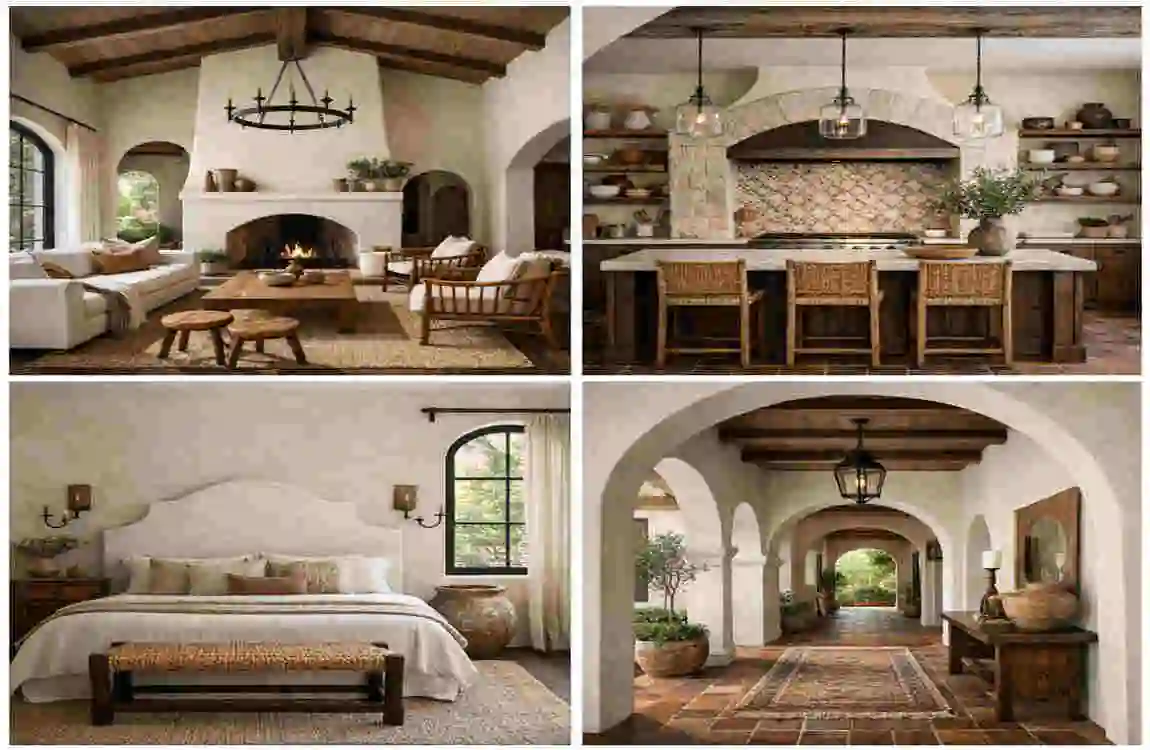
It helps to see how this style works in different settings. While every home is different, the same core ideas keep showing up.
A Los Angeles bungalow with a modern Spanish update
In one common type of makeover, an older bungalow keeps its original arches and tile details but gets a much cleaner interior update. The walls are softened with a warm white paint, the kitchen cabinetry is simplified, and the furniture is chosen for comfort rather than decoration.
The result feels bright, relaxed, and full of character. The home honors its history, but it no longer feels stuck in the past.
A Madrid apartment with a contemporary feel
In a city apartment, Spanish style may appear in subtle ways. A patterned tile floor in the entryway, a plaster wall finish, and dark wood beams can create strong character without requiring a full traditional look.
Then the rest of the home stays simple: a low sofa, slim lighting, and very little clutter. This is a strong example of how modern Spanish-style home interiors can work beautifully in smaller spaces.
A family home that blends everyday life with style
A good modern Spanish home does not just look pretty in photos. It works for real life. Family homes often use durable materials, easy-to-clean surfaces, and flexible furniture layouts.
You might see a large dining table for gatherings, open shelving for everyday use, and layered textiles that bring warmth without feeling delicate. This is where the style really proves its value. It can be beautiful and practical at the same time.
What these examples have in common
Even though the homes are different, they all rely on the same principles:
- Natural materials
- Warm colors
- Simple lines
- A few strong statements detail
- A balance between old-world charm and modern comfort
That balance is the heart of the style.
FAQs
What defines modern Spanish-style home interiors?
They combine traditional Spanish-inspired features like arches, tile, wood beams, and iron details with cleaner lines, simpler décor, and modern comfort.
Can this style work in a small home or apartment?
Yes. In small spaces, use warm neutrals, one or two signature details, and natural textures instead of heavy decoration.
What colors work best in modern Spanish interiors?
Warm whites, terracotta, clay, sand, olive, navy, and deep brown work especially well.
Do I need many patterns to create the look?
No. In fact, too many patterns can overwhelm the space. It is better to use a pattern in a few key places, such as tile or textiles.
What is the easiest way to start?
Begin with paint, lighting, and one statement piece, such as an arched mirror, a terracotta planter, or a textured rug.
| Element | Description | Modern Twist |
|---|---|---|
| Arched Openings | Curved doorways for graceful flow | Sleek plaster with matte finishes |
| Terracotta Tiles | Warm, earthy floors/walls | Sealed for durability + underfloor heat |
| Wooden Beams | Exposed, dark-stained ceilings | Reclaimed wood with LED recessed lights |
| Wrought Iron | Railings, chandeliers, accents | Powder-coated slim profiles |
| Hand-Painted Tiles | Talavera patterns on backsplashes | Minimal geometric motifs |
| Earthy Colors | Terracotta, ochre, whitewash | Paired with cool grays/neutrals |
| Natural Textures | Rough plaster, stone, linens | Sustainable fabrics like linen blends |
