

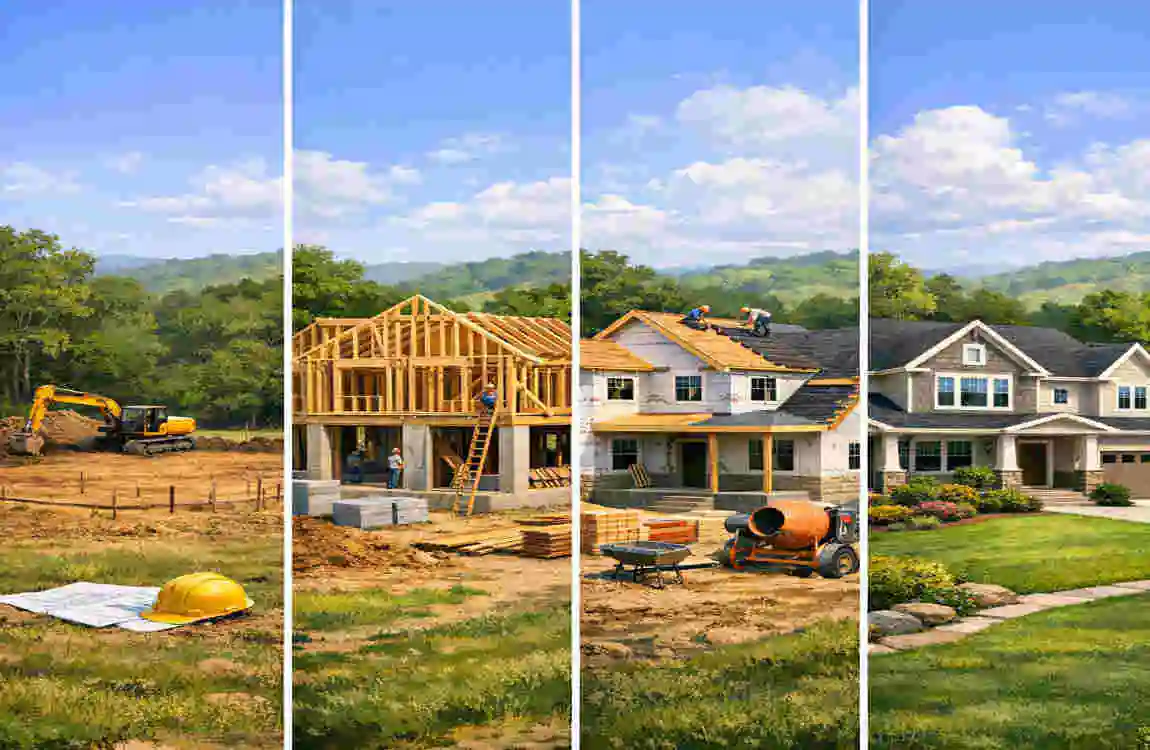
You are standing on a dusty plot of land, looking up at the freshly erected wooden trusses and concrete pillars of your future home. The skeleton is up. You can finally walk through the actual physical spaces where your future living room, kitchen, and bedrooms will be. It is an incredibly exciting moment. But as you stand there admiring the structural work, a very common and pressing question likely pops into your mind: after framing, how long to finish the house?
To put things into perspective, the average full build of a home takes about 9 to 12 months from breaking ground to handing over the keys. This means the post-framing phase makes up 40% to 50% of your total construction time. Grab a cup of tea, and let’s dive into the fascinating journey of turning your framed structure into your ultimate dream home. We have a lot of ground to cover!
House Framing Basics: Setting the Stage
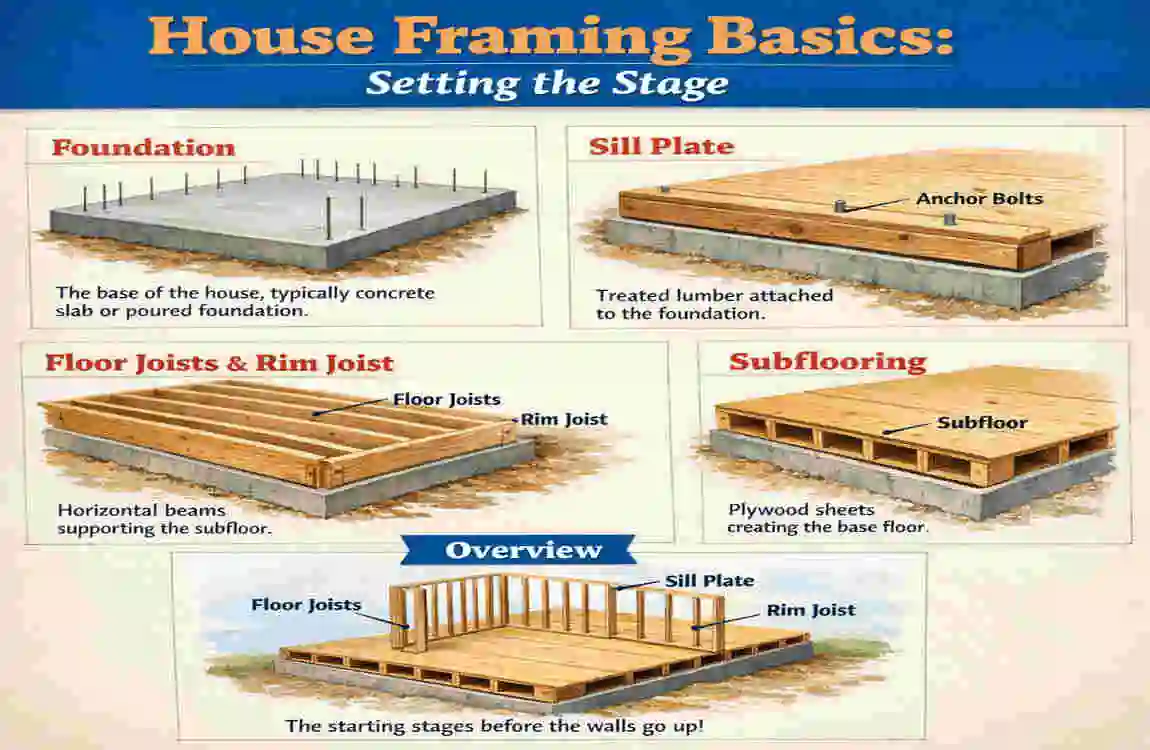
Before we can accurately answer the burning question of how long it takes to finish a house after framing, we need to define what “framing” actually entails. In construction, framing is the process of building the skeleton of your house.
During this phase, builders erect the main load-bearing walls, install structural beams, and install roof trusses. In this phase is often referred to as completing the “gray structure.” It involves a massive amount of brickwork, cement pouring, and steel binding. It is the phase where your 2D architectural floor plans finally rise from the dirt and become a 3D reality.
How long does it take to build this initial skeleton? For a standard residential project, the framing and gray structure phase typically lasts anywhere from 1 to 2 months.
If you are building a cozy 5 Marla home (a highly popular standard size), an efficient crew can have the frame up in about 4 weeks. On the other hand, if you are constructing a sprawling 1 Kanal estate with complex architectural features, multiple stories, and custom rooflines, you should expect the framing to take closer to eight weeks.
Once this monumental stage is completed, a massive shift happens on the construction site. The heavy machinery leaves, and the specialized tradespeople arrive. This is the exact moment when the countdown for your house finishing duration truly begins. So, let’s explore exactly what happens next.
Post-Framing Stages: Detailed Timeline Breakdown
Understanding the post-framing construction stages is critical for managing your expectations and your budget. Once the skeleton is up, the project shifts from heavy structural engineering to intricate, detailed installations.
If you are still wondering how long it will take to finish a house, the answer lies in these five core stages. Each stage must happen sequentially, meaning that one trade cannot start until the previous trade has finished.
Here is a clear, scannable breakdown of the timeline you can expect:
Stage Expected Duration Key Tasks Involved Tips for Speed
Rough-Ins (Plumbing, Electrical, HVAC) 4-6 weeks: Installing water pipes, electrical wiring, and AC ducts behind the walls. Hire licensed pros early to avoid scheduling conflicts.
Insulation & Drywall (or Plastering) 3-5 weeks: Insulating walls and applying drywall sheets or traditional cement plaster. Ensure the roof is completely weatherproofed first to avoid moisture delays.
Exterior Finishing (Roofing, Siding, Windows) 4-6 weeks: Sealing the weather-tight shell, installing glass windows, and exterior paints. Source and order exterior materials before the framing is even finished.
Interior Work (Painting, Flooring, Cabinets) 6-8 weeks, bringing aesthetics and functionality to life (tiles, woodwork, wall colors). Finalize your dream house vibe and design choices well in advance.
Final Touches (Fixtures, Landscaping) 2-4 weeks: Installing lights, faucets, final cleanups, and municipal inspections. Run landscaping work in parallel with interior finishing.
Let’s dive deeper into each of these stages to understand why they take as long as they do.
The Rough-Ins (4 to 6 Weeks)
The moment your framing is complete, the “rough-in” stage begins. This is where your house gets its internal organs and nervous system. Plumbers will arrive to lay out all the PVC pipes for your bathrooms and kitchens. Electricians will pull miles of copper wiring through the walls to connect your future light switches and power outlets. HVAC technicians will install the ductwork for your heating and cooling systems.
This stage takes time because it requires immense precision. If a plumber puts a drain pipe just two inches off-center, your expensive vanity sink won’t fit later. Because multiple trades are working inside the house simultaneously, coordination is key.
Insulation and Wall Finishing (3 to 5 Weeks)
Once the local building inspector signs off on the rough-ins, the walls get closed up. Depending on your construction style, this means installing thermal insulation to keep your home cool in the blistering summers, followed by hanging drywall.
In many traditional buildings, this stage involves extensive cement plastering over the interior brickwork. Plastering requires immense physical labor and, more importantly, drying time. You cannot rush wet cement. If you paint over plaster before it has fully cured, the moisture will be trapped, leading to severe bubbling and peeling down the road.
Securing the Exterior (4 to 6 Weeks)
Simultaneously, work begins on the outside of your home. The goal here is to create a “weather-tight shell.” Roofers will lay down the final tiles or waterproofing membranes. Window installers will fit the glass panes into the empty holes left during framing.
Exterior finishing also includes applying weather-resistant siding, stucco, or exterior-grade paints. Getting the house completely sealed from the elements is crucial because it allows the delicate interior work (like laying expensive hardwood floors) to proceed without the risk of rain damage.
The Grand Interior Work (6 to 8 Weeks)
This is the longest, most expensive, and most exciting part of your dream home build time. The interior work is where your house finally starts to look like a home.
Over the next two months, the painters will apply your chosen color palettes to the walls. The flooring team will meticulously lay down your porcelain tiles, marble slabs, or wooden planks. The carpenters will arrive to install your custom kitchen cabinets, bedroom wardrobes, and intricate wooden doors. This phase requires a high level of craftsmanship, and rushing it will result in sloppy, visible mistakes.
Final Touches and Handover (2 to 4 Weeks)
We have finally reached the finish line! The final touches involve installing the specific fixtures you will interact with daily. Plumbers return to attach the actual toilets, showerheads, and luxury faucets. Electricians come back to hang your chandeliers and screw on the final switch plates.
Simultaneously, the exterior landscaping is completed, sod is rolled out, and driveways are paved. A massive final cleanup happens to remove months of construction dust. Finally, your contractor will walk you through the property for a final inspection before handing over the keys.
The Grand Total: When you add all these stages together, the total post-framing timeline is 4-6 months for a standard, mid-range home. However, if you are building a highly customized luxury estate, expect that timeline to stretch to 6-8 months. Having a large, dedicated crew of 10-15 workers on site every day is the best way to hit the faster end of that spectrum.
Factors Influencing “After Framing How Long to Finish House”
While the 4-to-8-month timeline is a solid national average, your specific project might deviate from this path. Construction is a highly dynamic industry, and numerous variables can impact your schedule. If you find yourself asking your contractor, “After framing, how long to finish the house?”, they will likely point to the following five critical factors that influence the final deadline.
The Size and Architectural Complexity
The math here is incredibly straightforward: larger homes take more time to finish. A standard 5 Marla (approx. 120 square meters) home requires significantly less flooring, fewer windows, and less paint than a sprawling estate. You can generally finish a 5 Marla home in about 4 months post-framing.
However, if you are building a 1 Kanal (approx. 500 square meters) luxury villa, the sheer volume of work increases exponentially. You are looking at a minimum of 7 months to finish. Furthermore, complexity matters. Installing a standard flat ceiling takes days; crafting an intricate, multi-tiered false ceiling with hidden LED lighting takes weeks.
Location and Unpredictable Weather
Mother Nature holds absolute power over your house framing timeline and finishing schedule. If you are building during the peak monsoon season (July to September), you must prepare for delays. Heavy rains make it impossible to apply exterior paint, pour outdoor concrete, or safely unload delicate interior materials. A severe monsoon season can easily add 2 to 4 weeks to your overall timeline.
Additionally, your geographical location impacts administrative speed. Building in a well-regulated urban society often means faster access to utilities and quicker municipal permit approvals than in a remote rural area.
Materials Supply Chain
As we navigate 2026, construction trends show that global and local supply chains are still experiencing periodic hiccups. If there is a sudden regional shortage of Premium cement, imported Spanish floor tiles, or structural steel, your project will come to a grinding halt.
Waiting for a shipping container of custom kitchen countertops to clear customs can easily extend your finishing timeline by an entire month. Smart builders mitigate this by sourcing locally wherever possible.
Your Budget and Level of Customization
Are you buying off-the-shelf fixtures from a local hardware store, or are you importing hand-blown glass chandeliers from Italy? Highly customized features take drastically longer to manufacture, ship, and install.
Furthermore, integrating modern “smart home” technology—such as automated climate control, integrated security cameras, and voice-activated lighting systems—requires complex, specialized wiring during the rough-in stage. Building a high-tech dream house is amazing, but you should expect these luxury customizations to add 4 to 6 weeks to your schedule.
The Efficiency of Your Contractor
Finally, the speed of your build relies heavily on the competence of the person running the site. A highly efficient contractor will use modern project management techniques to ensure there is never an “empty day” on the site. They will seamlessly schedule the plumbers to arrive on the exact day the framers leave.
Contractors who use modular construction methods (where entire bathroom pods or kitchen units are pre-built in a factory and dropped into the house) can cut finishing time by up to 30% compared to traditional on-site construction methods.
The Efficient 5 Marla
Mr. and Mrs. Ali purchased a plot in a rapidly developing housing society. Their goal was to build a modern, efficient 5 Marla home for their young family. They hired a reputable, tech-forward contracting firm.
The gray structure (framing) was finished by the end of Month 3. Because they had pre-selected all their interior finishes—from the bathroom tiles to the kitchen cabinet colors—during the architectural phase, there were zero delays in material procurement.
The rough-ins took exactly 4 weeks. Plastering and interior paint were completed in 5 weeks. By utilizing a highly synchronized crew, their home was finished and handed over by Month 8. Total post-framing time: exactly 5 months. This is a textbook example of how proper planning leads to a fast, stress-free build.
The 1 Kanal Villa in Punjab
Conversely, consider the journey of the Khan family, who decided to build a sprawling 1 Kanal luxury villa in a broader Punjab suburb. They wanted a highly customized dream house, featuring imported Turkish marble and complex smart-home integrations.
Their framing was completed on schedule, but the problems began during the finishing phase. They changed their minds regarding the kitchen layout after the rough-in plumbing had already been installed, forcing the contractor to rip out pipes and start over. Then, local municipal delays regarding their custom swimming pool permit stalled the exterior landscaping.
Finally, a regional shortage of their specific imported marble pushed their flooring schedule back by three weeks—total post-framing time: a grueling 7.5 months.
The Ultimate Trend: Prefabrication
As we look at the current 2026 construction trends, the most exciting development in the market is the rise of prefabrication. Forward-thinking builders are shifting away from doing everything on-site.
“By shifting our custom woodwork and steel framing to a controlled factory environment,” notes a leading based luxury builder, “we are drastically reducing on-site errors and weather delays. We can manufacture the interior components while the concrete skeleton is still drying.” This modular approach is allowing some high-end builders to reduce their post-framing timelines down to an astonishing 3 to 4 months.
Cost Breakdown Post-Framing
Time is money, especially in construction. Understanding the timeline is only half the battle; you also need to understand the financial commitment of the post-framing stages. Once the skeleton is up, where exactly does your money go?
Below is a detailed table outlining the estimated costs to finish a mid-range, standard-sized dream house in Pakistan in 2026.
Construction Category Estimated Cost (PKR, 2026)% of Post-Framing Budget
Rough-Ins (MEP) 5,00,000 – 8,00,000 25%
Interior Finishes 10,00,000 – 15,00,000 40%
Exterior Finishes 4,00,000 – 7,00,000 20%
Final Touches 3,00,000 – 5,00,000 15%
Unpacking the Budget
Total Estimated Cost: 22 Lakhs to 35 Lakhs (for the post-framing finishing phase of a mid-range home).
Let’s break down why these numbers look the way they do:
- The Interiors Dominate: Notice that a massive 40% of your finishing budget goes toward the interior. This includes the high-ticket items that you touch and feel every day: imported porcelain floor tiles, custom-built kitchen cabinetry, solid wood doors, and Premium washable paints. This is the area where costs can spiral out of control if you suffer from “scope creep” (constantly upgrading your choices mid-build).
- The Hidden Costs of Rough-Ins: While you will never see the copper wiring or PVC pipes hidden behind your walls, they account for 25% of the budget. Never cut corners here. Cheap plumbing will leak, destroying your expensive 40% interior finishes!
- Inflation Note: It is vital to note that global economic factors are constantly shifting. If you are comparing these figures to a house built just last year, you must account for inflation. In 2026, the cost of raw materials such as copper, aluminum, and Premium cement has increased by approximately 10% from 2025. Always build a 10% to 15% contingency buffer into your overall budget to absorb sudden price hikes.
Tips to Accelerate Your House Finishing Timeline
Waiting to move into your new home can test the patience of even the calmest homeowner. If you are desperate to shorten the duration of your house finishing without sacrificing the structural quality of the build, you need to be proactive.
Here are five highly effective, numbered steps you can take to accelerate your timeline:
- Pre-Order Materials During the Framing Phase: This is the golden rule of fast construction. Do not wait until the walls are plastered to start shopping for tiles. Once your foundation is poured, you should finalize and order your flooring, lighting fixtures, and plumbing hardware. Having materials stored in a secure on-site unit means tradespeople never have to stop working to wait for a delivery.
- Demand Multi-Trade Crews: Ask your main contractor how they structure their teams. The fastest builders employ “multi-trade” crews. Instead of hiring an isolated plumbing company and an isolated electrical company that refuse to communicate, they use integrated teams. When the electrician and the plumber work for the same parent company, they can work side-by-side in the same room without stepping on each other’s toes, drastically cutting down the rough-in timeline.
- Process Permits Parallel to Framing: Bureaucracy is the silent killer of construction speed. If your society requires a specific permit for exterior boundary walls or specific landscaping features, do not wait until the end of the project to apply for them. Submit all your municipal paperwork while the framing is still happening.
- Opt for Weather-Resistant Finishes: If you know your exterior finishing stage will land squarely in the middle of the monsoon season, pivot your design strategy. Instead of a traditional cement exterior that takes weeks of dry weather to cure properly, opt for modern, pre-finished exterior cladding panels that can be installed even in light rain.
- Utilize Project Management Apps: We live in the future, so use the tools available! Insist that your builder uses a modern construction management app. Many top-tier builders now offer clients app access, allowing them to track daily photo updates, approve material purchases instantly on their phones, and view the live Gantt chart. Instant communication eliminates wasted days waiting for phone calls to be returned.
Bonus Tip: Avoid the Pitfall of Scope Creep. The single biggest reason a 5-month finishing job turns into a 9-month nightmare is “scope creep.” This happens when a homeowner constantly changes their mind. Moving a wall after the framing is done, or deciding you want a free-standing bathtub instead of a shower after the plumbing is set, will shatter your timeline. Finalize your design, and stick to it!
Trends in House Finishing
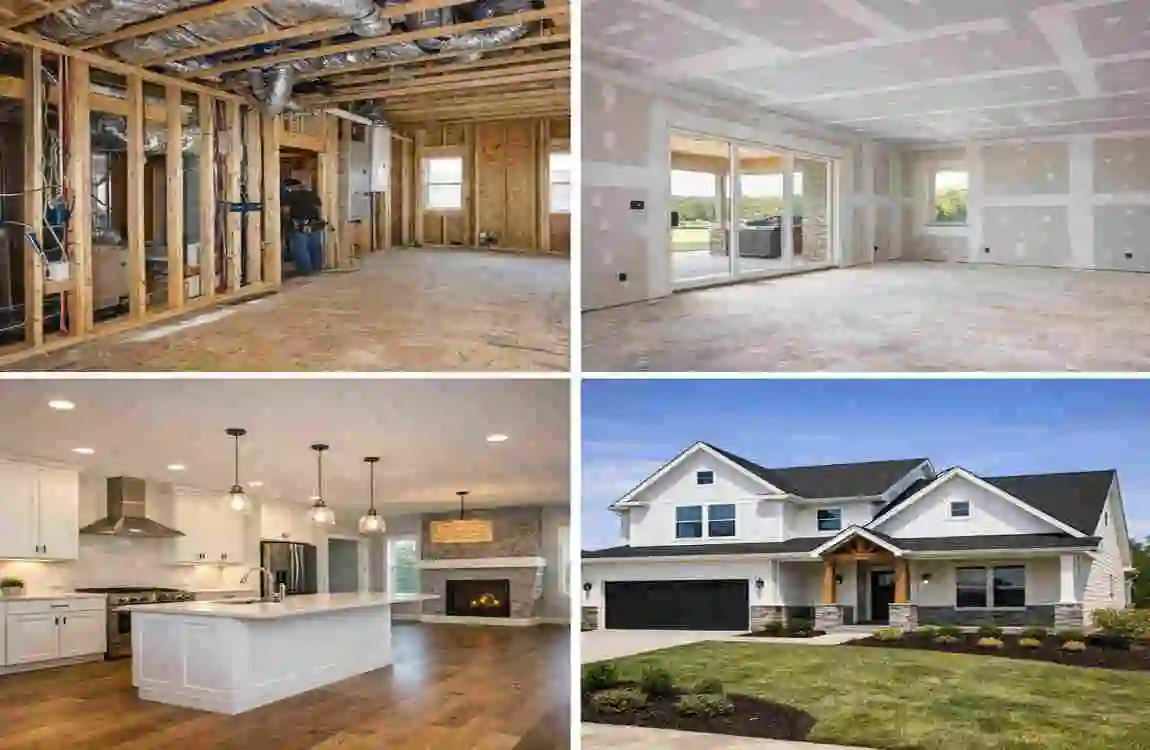
To ensure your new home is on the cutting edge, you should be aware of the latest construction trends for 2026. The industry is evolving rapidly, bringing exciting innovations that not only create a better home but also speed up the “after framing, how long to finish house” timeline.
- Sustainable, Fast-Curing Materials: The market is seeing a massive influx of eco-friendly building materials that are engineered for speed. For example, traditional cement requires copious amounts of water and weeks to cure. In 2026, builders are utilizing advanced, bio-based plaster alternatives that dry in half the time, emit zero toxic fumes, and provide superior thermal insulation.
- AI Scheduling Tools: The days of a contractor managing a complex build with a pen and a notebook are over. Top firms are now using Artificial Intelligence scheduling tools. These programs analyze local weather forecasts, real-time traffic data for material deliveries, and crew availability to predict and avoid potential delays before they occur.
- Modular Post-Framing Components: As mentioned in our case studies, prefabrication is taking over. From fully assembled smart-kitchen islands shipped directly to the site, to pre-wired integrated entertainment walls, modular components are allowing homeowners to achieve a bespoke, luxury look up to 50% faster than traditional bespoke carpentry.
Frequently Asked Questions: Finishing Your House After Framing
Are you standing in front of your newly framed house, wondering what comes next? You are not alone! Many homeowners feel overwhelmed once the wooden skeleton goes up. To help you navigate the rest of your home-building journey, we have put together this short FAQ guide. Let’s break down exactly what you can expect!
What exactly happens right after the house framing is complete?
Once the framing—which acts as the structural shell or skeleton of your house—is completely built, the immediate focus shifts to weatherproofing and internal systems . Carpenters will install your exterior doors and windows, and wrap the house in a protective barrier to prevent dangerous mold and wood rot .
Right after the house is wrapped, the crew will finish building the roof and start putting up the exterior siding . Meanwhile, on the inside of the house, specialized tradesmen will tackle the electrical and plumbing work, which is then followed by installing insulation, hanging drywall, laying down flooring, and finally, painting the walls .
After framing, how long does it take to finish the mechanical rough-ins?
You can generally expect the installation of your home’s mechanics to take anywhere from 2 to 6 weeks .
During this highly technical phase, plumbers, electricians, and HVAC technicians will take over the site. They will run all the necessary plumbing pipes, pull electrical wires to your future outlets, and install the heating and cooling ductwork throughout the open walls .
How much time should I budget for drywall and insulation?
You will be thrilled to know that this part of the process moves incredibly fast! Once the mechanical rough-ins pass their inspections, the insulation and drywall stage typically only takes 1 to 2 weeks to finish .
Workers will quickly pack the empty wall cavities with your chosen types of insulation to keep your home perfectly climate-controlled . Immediately after that, they will hang, tape, and sand the drywall, finally transforming those see-through wooden studs into solid interior walls .
Overall, how long does the main post-framing stage take?
When you combine all these initial finishing steps, the core stage immediately following the framing usually runs on a timeline between 5 to 8 weeks .
