
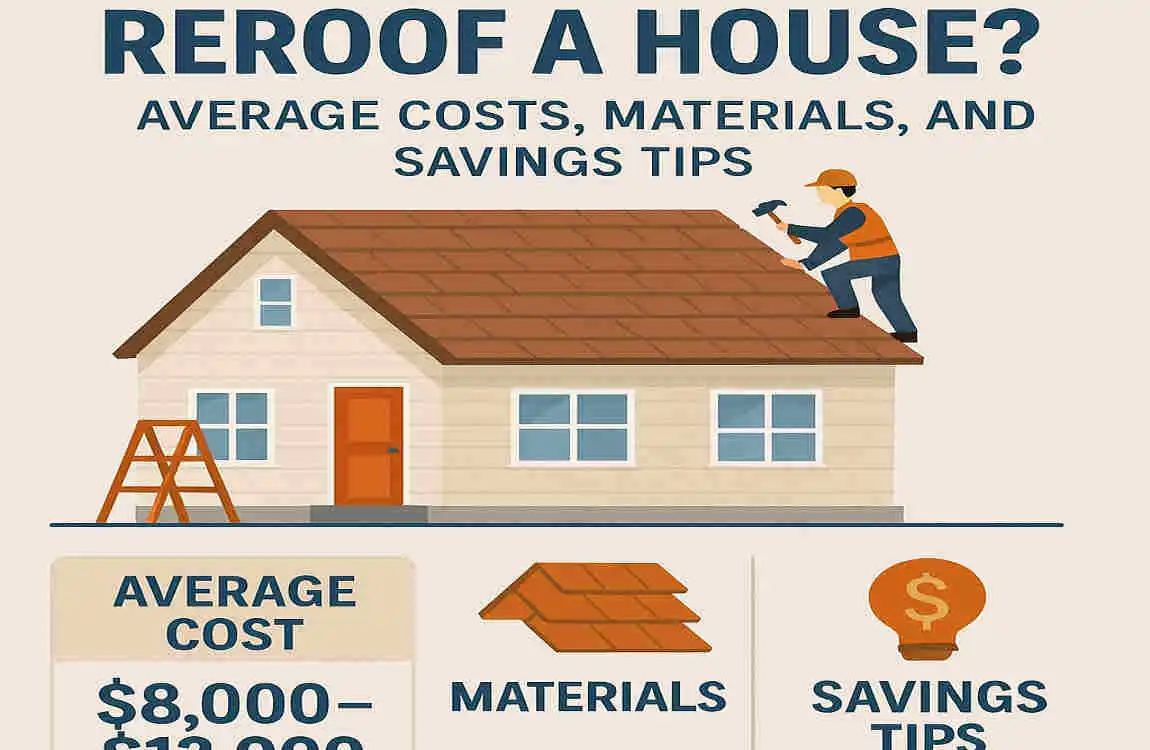
Have you noticed leaks during rainy days, curling shingles, or even a sagging roof? If so, you may be wondering: “How much does it cost to reroof a house?” It’s a question most homeowners face at some point, especially as roofs age or endure harsh weather.
Understanding Roof Reroofing vs. Replacement
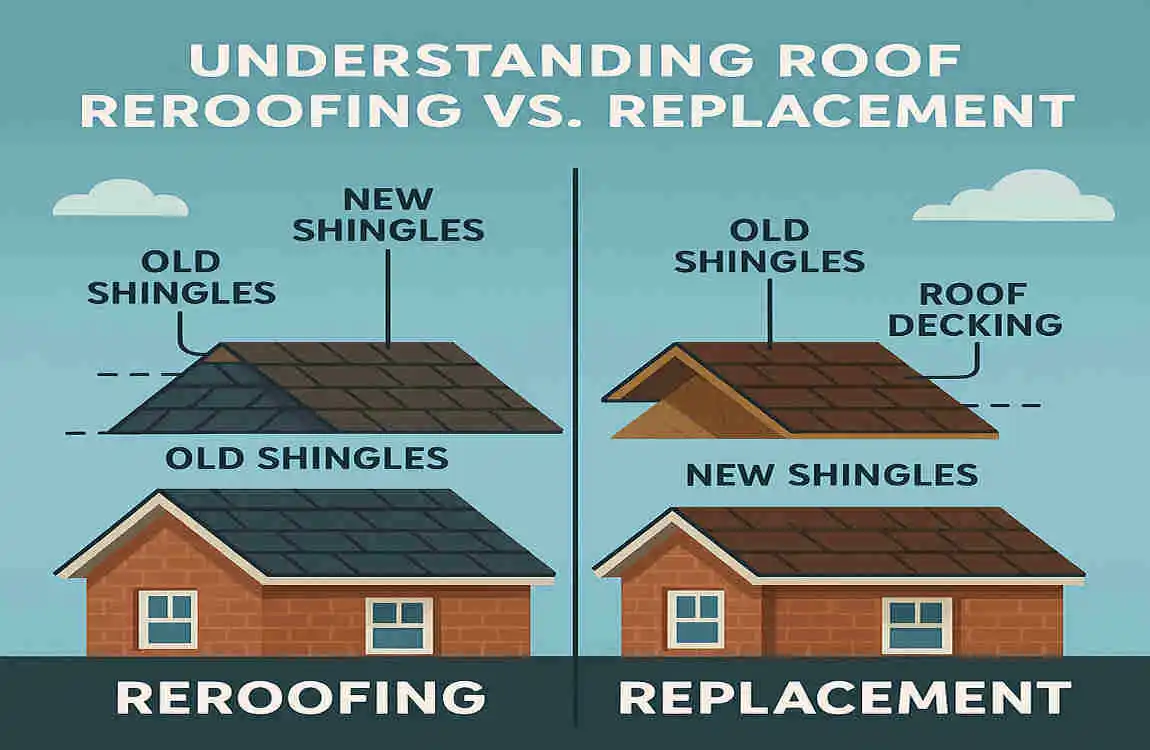
Before diving into costs, it’s essential to understand the difference between reroofing and a complete roof replacement. These terms are often used interchangeably, but they have distinct meanings.
What is Reroofing?
Reroofing involves adding a new layer of shingles over your existing roof. It’s a quicker and less expensive option, but it’s only possible if your roof has a single existing layer and no significant structural damage.
What is Roof Replacement?
A complete roof replacement, on the other hand, involves completely removing the old roof, inspecting the underlying structure, and installing a brand-new roof. This process is more labor-intensive and costly, but it ensures a longer-lasting, more reliable solution.
Pros and Cons of Reroofing vs. Replacement
Here’s a quick comparison to help you decide:
FactorReroofingRoof Replacement
Cost Lower Higher
Time Faster Slower
Durability Moderate High
Suitability: Single-layer roofs only. Any roof condition
If your roof is in relatively good condition and meets reroofing requirements, it can be a cost-effective solution. However, if there are structural issues or multiple layers of shingles, a full replacement is the better option.
Average Cost to Reroof a House in 2025
Now, let’s address the big question: how much does it cost to reroof a house? The exact price varies based on factors such as your home’s size, roofing materials, and labor rates. However, here are some general estimates for 2025:
National Average Cost Range
- Overall cost range: $6,000–$12,000
- Cost per square foot: $3–$6
- Cost per roofing square (100 sq. ft.): $300–$600
Cost by Home Size
The size of your home plays a significant role in determining reroofing costs. Here’s a rough breakdown:
- Small homes (1,000–1,500 sq. ft.): $4,000–$8,000
- Medium homes (1,500–2,500 sq. ft.): $6,000–$12,000
- Large homes (2,500+ sq. ft.): $10,000–$20,000
Roofing Materials and Their Impact on Cost
The type of roofing material you choose has a significant impact on your reroofing budget. Here’s a closer look at popular materials, their costs, and their longevity:
Asphalt Shingles
- Cost per square foot: $1–$4
- Lifespan: 15–30 years
- Benefits: Affordable, widely available, and easy to install.
Metal Roofing
- Cost per square foot: $5–$14
- Lifespan: 40–70 years
- Benefits: Durable, energy-efficient, and great for extreme weather conditions.
Clay or Concrete Tiles
- Cost per square foot: $8–$15
- Lifespan: 50+ years
- Benefits: Stylish, fire-resistant, and long-lasting, but heavy.
Wood Shakes/Shingles
- Cost per square foot: $6–$9
- Lifespan: 20–40 years
- Benefits: Natural, rustic appeal with moderate insulation properties.
Slate Roofing
- Cost per square foot: $15–$30
- Lifespan: 75–100 years
- Benefits: Luxurious, extremely durable, and eco-friendly.
Here’s a quick comparison table:
Material Average Cost (per sq. ft.)LifespanMaintenance
Asphalt Shingles $1–$4 15–30 years Low
Metal Roofing $5–$14 40–70 years Low
Clay/Concrete Tiles $8–$15 50+ years Moderate
Wood Shakes $6–$9 20–40 years High
Slate Roofing $15–$30 75–100 years Low
Key Factors That Affect Reroofing Costs
Several factors influence the final price of your reroofing project. Here are the most significant ones:
Roof Size and Pitch
- Larger roofs require more materials and labor.
- Steep roofs are more complex to work on, increasing labor costs.
Accessibility
If your roof is difficult to access, expect higher labor fees due to additional safety measures.
Tear-Off Costs
Removing old shingles can add $1–$2 per square foot to your total.
Permits and Building Codes
Local regulations may require permits, which can cost anywhere from $100 to $1,000, depending on your location.
Regional Labor Rates
Urban areas typically have higher labor costs than rural locations.
Unexpected Repairs
If underlying issues like damaged sheathing or flashing are discovered, additional repair costs will apply.
Regional Cost Differences in the U.S.
Reroofing costs vary widely across the United States due to differences in climate, labor rates, and material availability. Here’s a snapshot of regional averages:
- Midwest: $5,000–$10,000 (affordable asphalt roofs dominate).
- West Coast: $8,000–$15,000 (higher labor and permit costs).
- South: $6,000–$12,000 (metal roofs are popular for heat resistance).
- Northeast: $7,000–$14,000 (slate and wood roofing are standard).
Additional Costs to Consider
When planning your reroofing budget, don’t forget about these additional expenses:
- Tear-off and disposal: $1–$2 per square foot.
- Underlayment upgrades: Moisture barriers cost $0.50–$1.50 per square foot.
- Gutters and flashing replacement: $500–$2,000.
- Permits and inspections: $100–$1,000 depending on local regulations.
Signs It’s Time to Reroof
Not sure if your roof needs to be replaced? Watch for these warning signs:
- Curling, cracked, or missing shingles.
- Frequent leaks or water damage in your attic.
- Visible sagging or structural issues.
- Mold or algae growth.
If you notice these issues, consider scheduling a professional inspection to determine the best course of action.
Reroofing vs. Doing Small Repairs
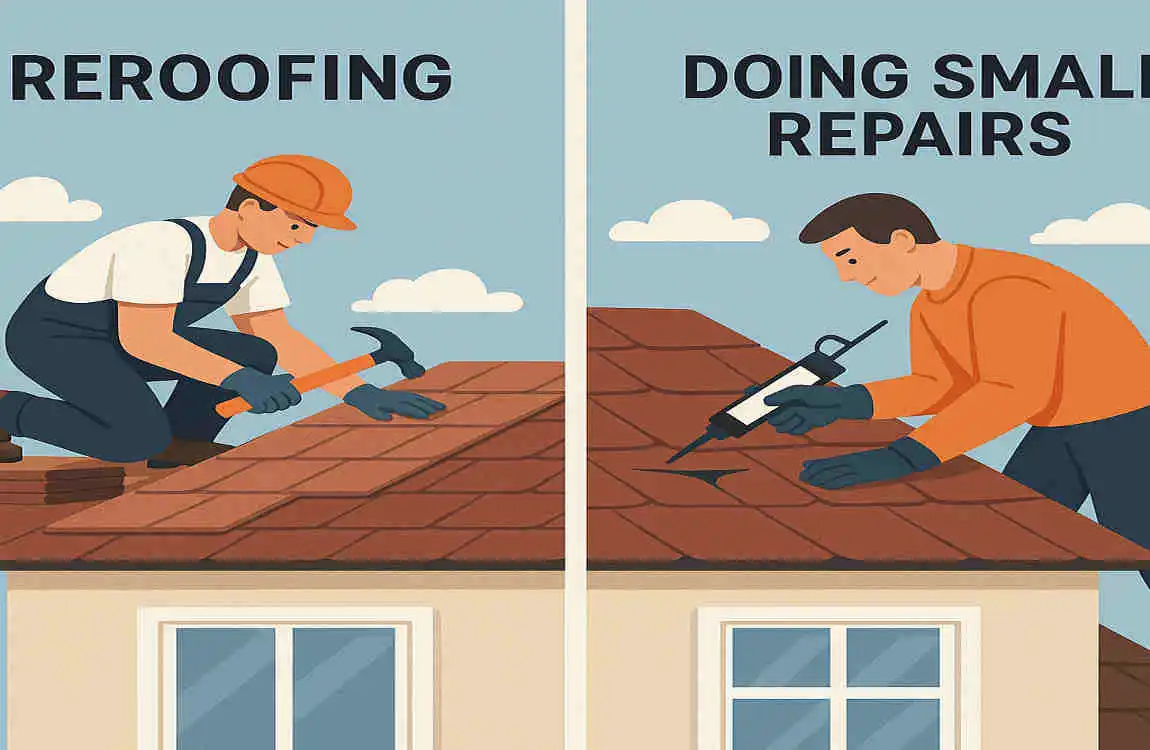
When to Repair:
- Minor damage, like a few missing shingles.
- Costs range from $150 to $1,000 for minor fixes.
When to Reroof:
- Widespread damage or an aging roof.
- Long-term savings outweigh frequent repairs.
Money-Saving Tips for Reroofing a House
Want to save on your reroofing project? Here are some practical tips:
- Get multiple quotes to compare prices and services.
- Schedule during the off-season (fall or winter) when demand is lower.
- Choose mid-range materials with good warranties.
- Check for energy-efficiency tax credits or local rebates.
- DIY prep work, such as removing debris or clearing the area.
Questions to Ask Your Roofing Contractor
Before hiring a contractor, ask these critical questions:
- Are you licensed and insured?
- What’s included in your estimate?
- What warranties do you offer?
- How will you handle cleanup and debris disposal?
Insurance and Financing Options
When Does Insurance Cover Reroofing?
If storms or other covered events damage your roof, your homeowners’ insurance may cover some or all of the costs.
Financing Options:
- Personal loans or home equity lines of credit.
- Payment plans offered by contractors.
DIY vs. Professional Reroofing
While DIY reroofing may seem cost-effective, it’s risky and labor-intensive. Professionals ensure safety, proper installation, and warranties, making it the better choice for most homeowners.
