

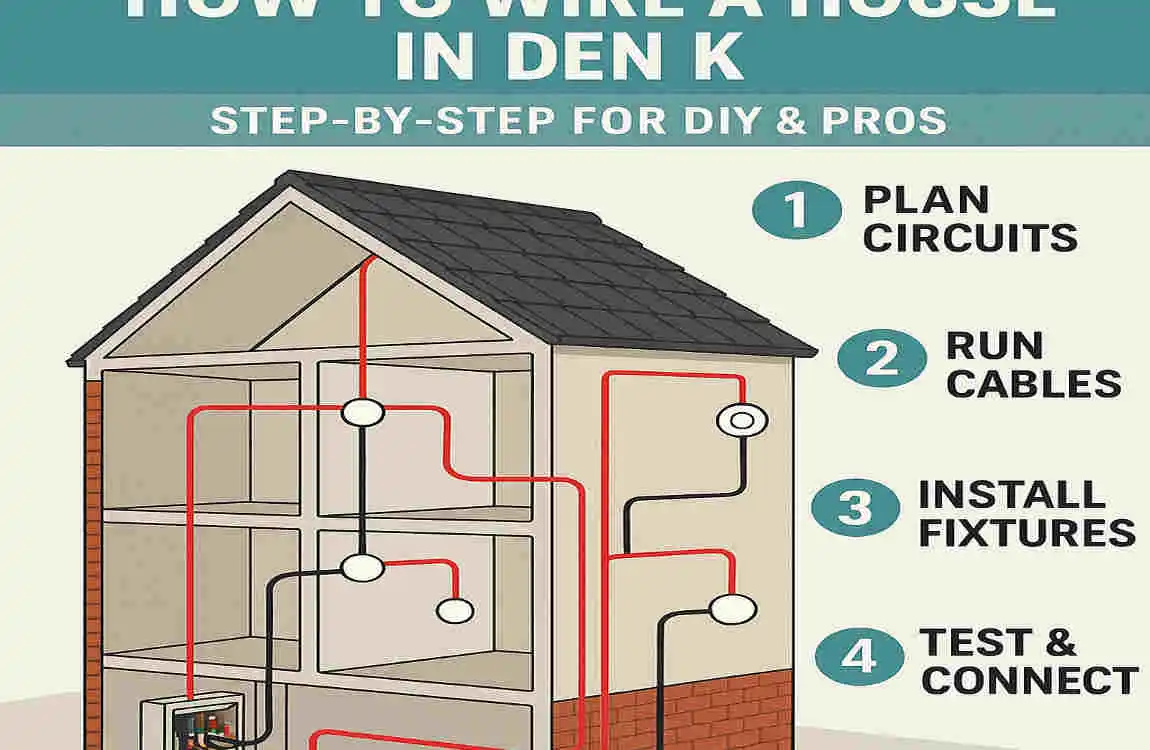
Did you know that over 1 million homes in the UK still have outdated wiring systems that don’t meet modern safety standards? Faulty or obsolete electrical systems not only pose a significant fire risk but can also lead to hefty fines if they fail to comply with current regulations.
UK Wiring Regulations: What You Must Know Before Starting
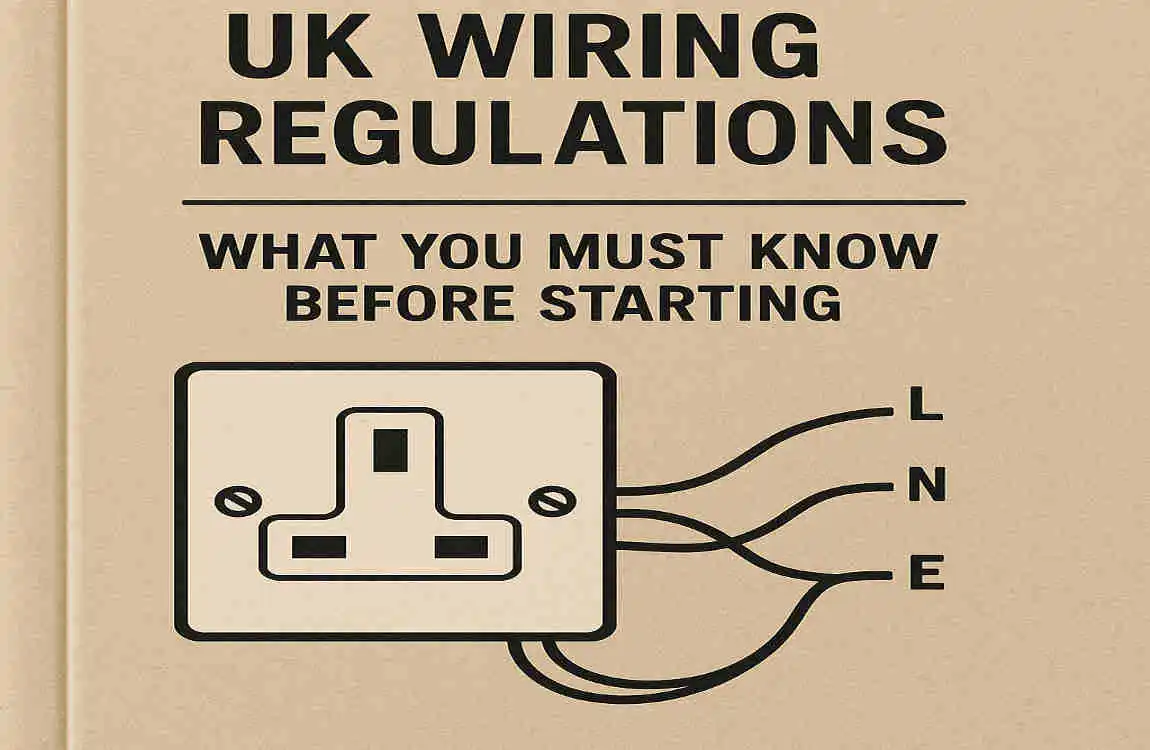
Before you touch a wire, it’s crucial to understand the legal framework governing house wiring in the UK. Non-compliance can lead to fines of up to £5,000 or worse—safety hazards that put lives at risk.
BS 7671: The 18th Edition Wiring Regulations
The BS 7671 (18th Edition) is the UK’s official standard for electrical installations. It outlines safety measures, circuit designs, and material selection to ensure all wiring is safe and efficient. Every electrician in the UK must follow these guidelines.
Part P of Building Regulations
Part P specifically addresses electrical safety in domestic properties. It categorizes specific electrical tasks as notifiable, meaning they require certification and inspection by a Part P-registered electrician.
Examples of Notifiable Work:
- Installing a new consumer unit.
- Adding a new circuit (e.g., for a new kitchen or extension).
- Wiring within special locations, such as bathrooms.
Non-Notifiable Work:
- Replacing a light fitting or socket (like-for-like).
- Adding sockets or lights to an existing circuit (not in special locations).
Pro Tip: If you’re unsure about your project’s legal requirements, always consult with a qualified electrician or your local building authority.
Penalties for Non-Compliance
Failing to meet UK wiring regulations can result in:
- Fines up to £5,000.
- Voided home insurance.
- Increased fire risks and potential injury.
Table: Notifiable vs. Non-Notifiable Wiring Jobs
Job Type Notifiable? DIY Allowed?
Installing a new circuit : Yes No (requires certification)
Replace a damaged socket. No Yes
Wiring a bathroom extractor fan. Yes No (special location)
Essential Tools and Materials for Wiring a House in the UK
Having the right tools and materials is key to any successful wiring project. Here’s a breakdown of what you’ll need:
Tools for DIYers
- Voltage Tester: For checking live wires.
- Cable Strippers: To strip insulation from cables.
- Insulated Screwdrivers: To prevent electric shocks.
- Multimeter: For testing circuits and continuity.
- Drill: To create cable routes through walls.
Tools for Professionals
- Crimping Tools: For secure cable connections.
- Fish Tape: To pull wires through walls or conduits.
- RCBO Tester: To test residual current devices.
Materials You’ll Need
- Twin & Earth Cable (T&E): Common sizes include:
- 1.5mm² for lighting circuits.
- 2.5mm² for socket circuits.
- Consumer Unit (Fuse Box): Modern units with RCDs and MCBs.
- Junction Boxes: For joining wires.
- Earth Sleeves: To insulate earth wires.
Safety Gear
Don’t forget:
- Insulated gloves.
- Safety goggles.
- Rubber mats to prevent electric shocks.
Planning Your House Wiring Project: Layout and Design
Proper planning is essential before you begin wiring. A straightforward layout will prevent mistakes and ensure regulatory compliance.
Assess Your Power Needs
Calculate the total electrical load your house will require. Use the formula:
[ P = I \times V ]
Where:
- ( P ) is power (watts).
- ( I ) is current (amps).
- ( V ) is voltage (230V in the UK).
plan Circuits Room-by-Room
Each room will likely need:
- Lighting Circuits: Controlled by switches.
- Socket Circuits: Typically using ring mains.
Diagram: Example Circuit Layout
(Include a simple visual of a UK house floor plan with labeled circuits.)
Step-by-Step Guide: How to Wire a House in the UK
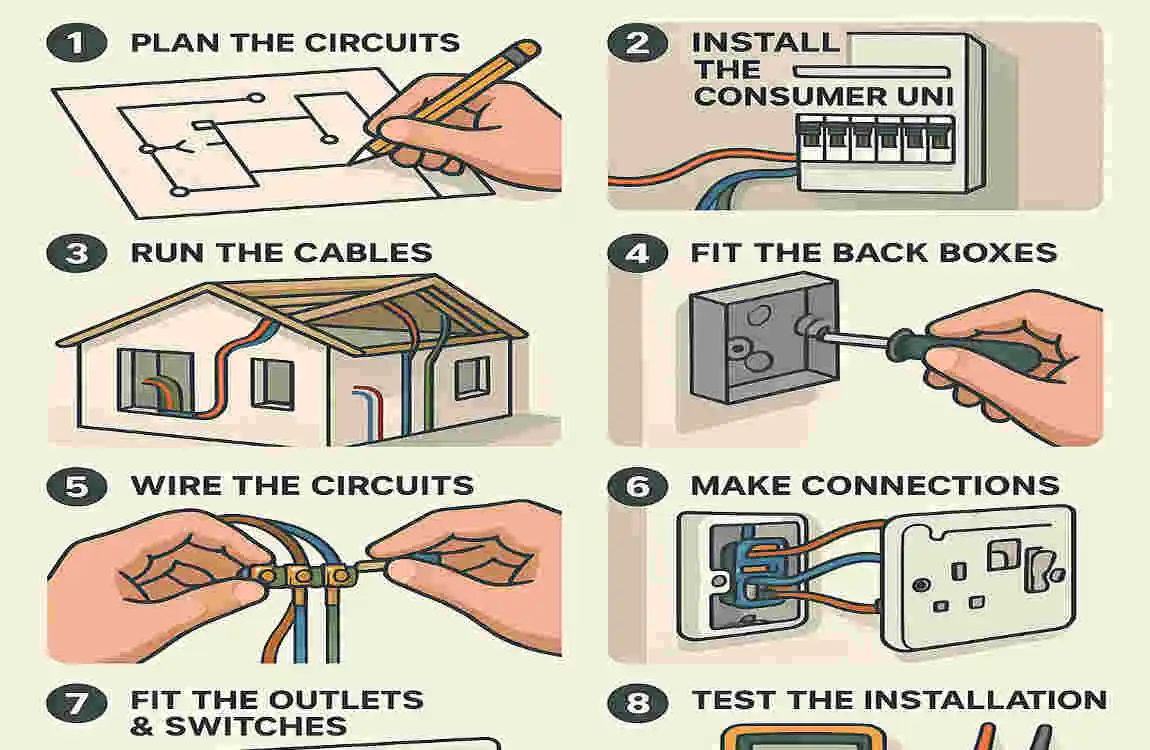
Safety First – Isolate and Test
- Switch off the mains power at the consumer unit.
- Use a voltage tester to ensure no current is present.
- Lock the consumer unit to prevent accidental reconnection.
install the Consumer Unit
- Position the consumer unit at an accessible height (1.5m).
- Connect the main power feed, ensuring proper earthing and circuit segregation.
- Use RCBOs for individual circuit protection.
Wire Lighting Circuits
- Lay 1.5 mm² twin & earth cable from the consumer unit to the light fittings.
- Use the loop-in method for ease of installation.
- Connect switches using switch drops (live and neutral wires).
Wire Socket Outlet Circuits
- Use 2.5mm² cable for ring mains, ensuring the circuit forms a continuous loop.
- Limit the floor area covered by each ring to 100m².
- Install spurs carefully—no more than one per socket.
Visual: Ring Main Wiring Diagram
(Include a labeled diagram showing the layout of a typical ring main.)
Special Areas – Kitchens and Bathrooms
- Use RCD protection for circuits in wet areas.
- Ensure bathroom circuits meet IP rating requirements for safety.
Test and Commission
- Conduct insulation resistance tests and RCD trip tests.
- Record results on an Electrical Installation Certificate (EIC).
Step Wiring Verification Table
Step Task Completed Verified?
1 Power isolated
2 Consumer unit installed
Common Mistakes in UK House Wiring and How to Avoid Them
Even experienced electricians can make mistakes. Here’s how to avoid common pitfalls:
- Using Incorrect Cable Sizes: Always match cable size to the load.
- Skipping RCDs: RCDs are mandatory for most circuits.
- Poor Earthing: Proper earthing is critical for safety.
DIY vs. Professional: When to Call an Electrician
While minor tasks like replacing sockets can be done DIY, major projects require professional expertise.
Project DIY Cost Pro Cost
Full 3-bed rewire £1,500-£3k £4k-£7k
New kitchen circuit £200 £500+
