

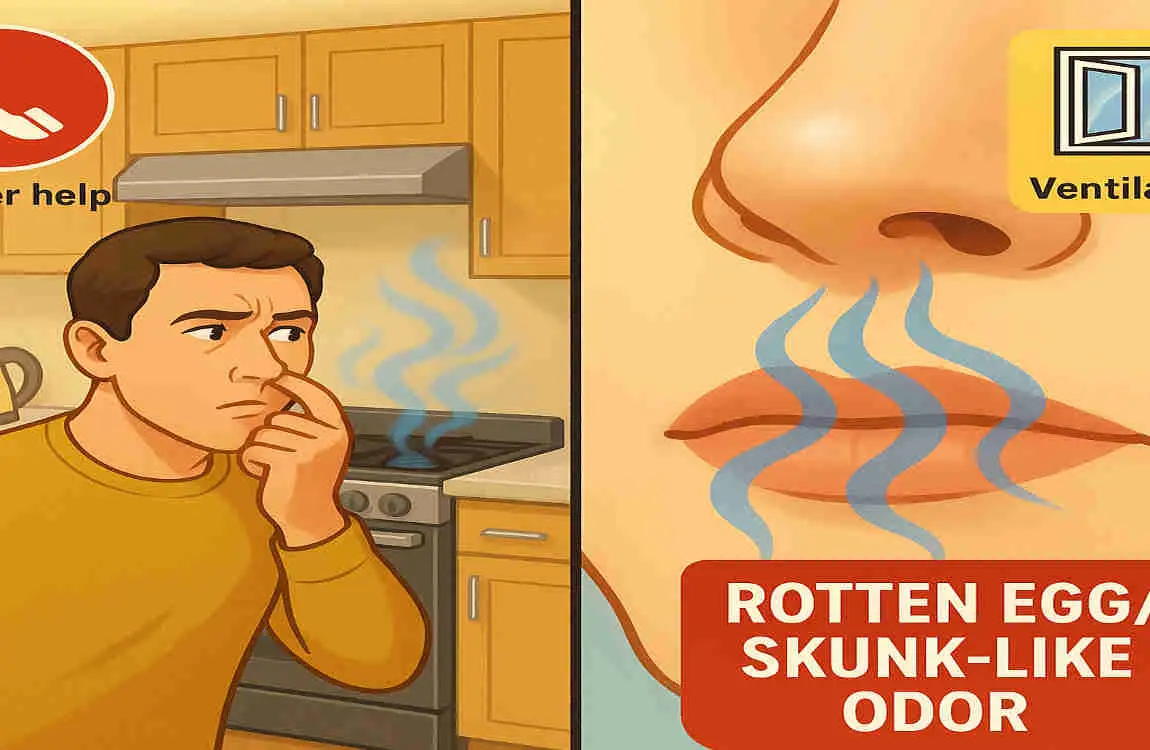
Propane in its natural form is colorless and odorless, so manufacturers add a chemical called ethyl mercaptan to give it a distinctive smell. This added scent is often described as resembling rotten eggs or sulfur, which helps people quickly recognize propane leaks in their homes smell. The scent acts as an essential safety feature to alert occupants to the presence of gas, prompting immediate action to prevent accidents. However, certain factors, such as medical conditions, aging, or strong odors, can impair the ability to detect the propane smell effectively. If a distinct propane odor is noticed, it is critical to leave the area right away and seek professional help to ensure safety.
What is Propane?
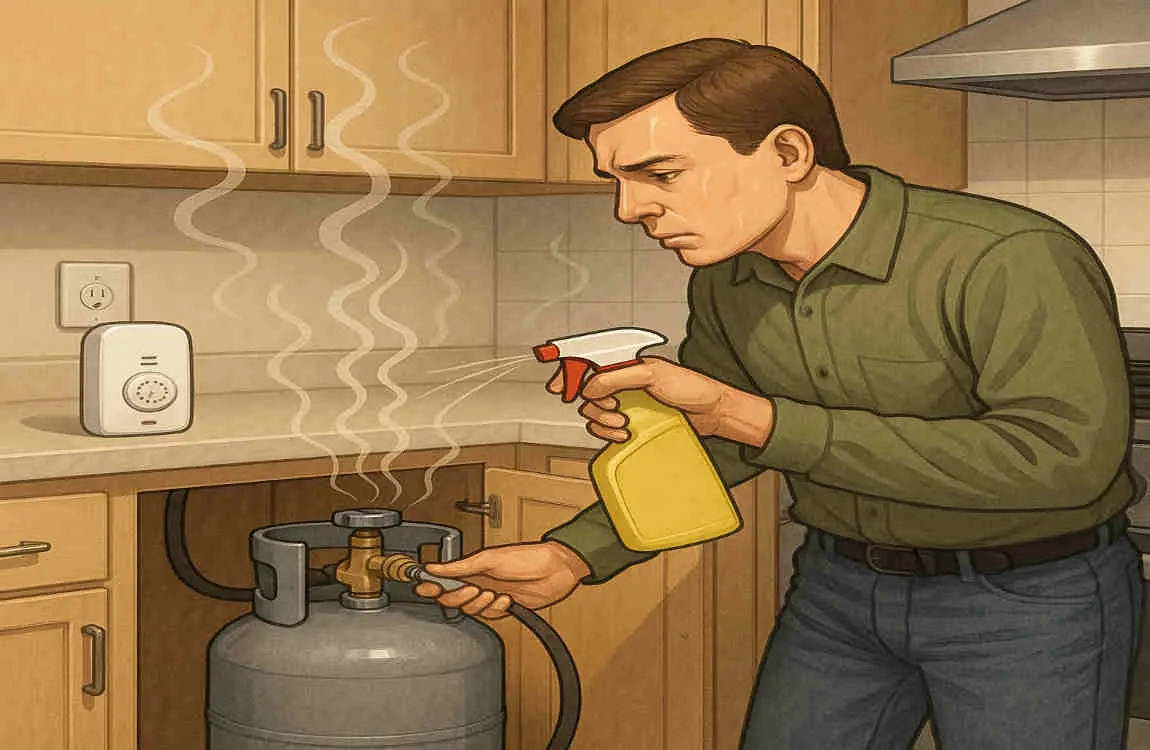
Propane is a hydrocarbon gas and one of the primary components of natural gas. It’s derived from both the refining of crude oil and the processing of natural gas. This clean-burning fuel has gained popularity for its efficiency in heating, cooking, and powering appliances.
In its pure form, propane is colorless and odorless. To ensure safety, manufacturers add mercaptan—a chemical that produces a distinctive smell similar to rotten eggs or skunk spray. This makes it easier to detect leaks early on.
Widely used across North America, propane serves as an alternative energy source in rural areas where natural gas pipelines may not reach. From homes to businesses, this versatile fuel powers everything from grills to water heaters, making it an essential part of many daily activities. Understanding what propane is sets the stage for recognizing its importance in modern life while keeping safety at the forefront.
How Does Propane Work?
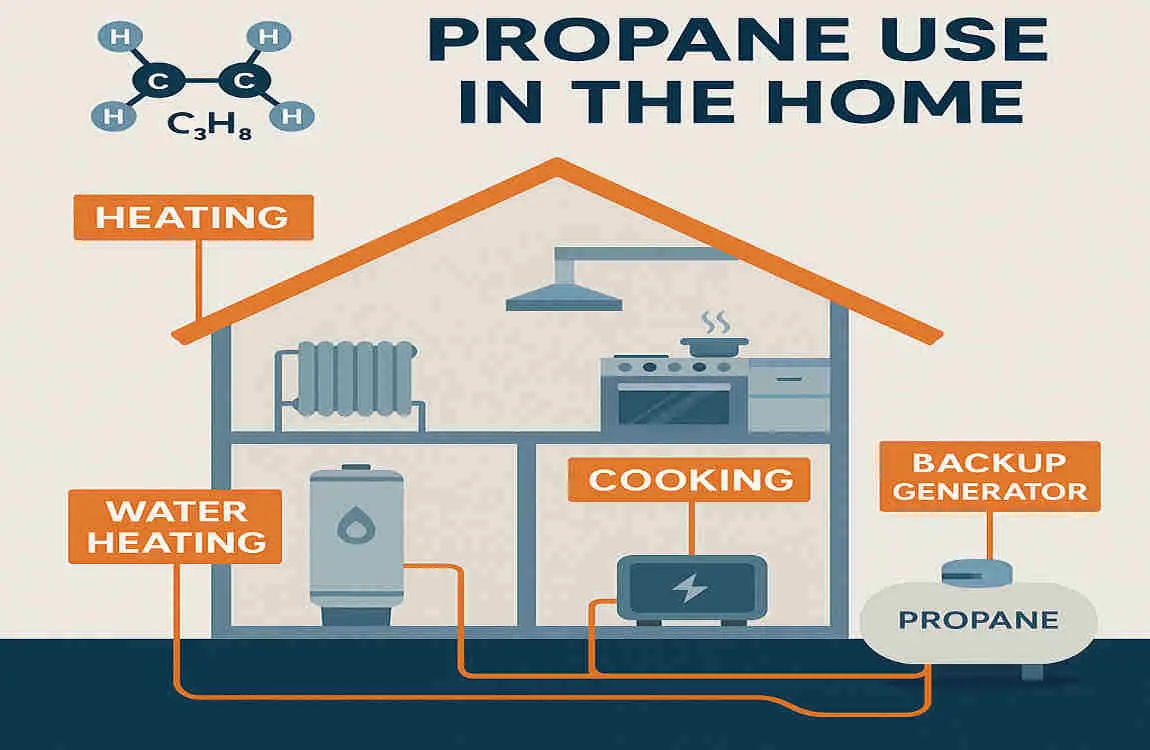
Propane is a versatile fuel that powers many household appliances. When burned, it produces heat and energy for cooking, heating, and even powering vehicles.
In its natural state, propane is a gas. However, it’s often stored in liquid form under pressure. This transformation makes it easier to transport and store.
When you turn on your appliance, the propane vaporizes as it exits its container. It mixes with air before igniting at the burner or pilot light. The combustion process releases energy while converting propane back into gas.
This efficient yet straightforward cycle allows homeowners to harness power easily. From water heaters to barbecues, propane fuels countless everyday activities without fuss or complexity. Its clean-burning properties also make it an environmentally friendly option compared to other fossil fuels.
Dangers of a Propane Leak in the Home
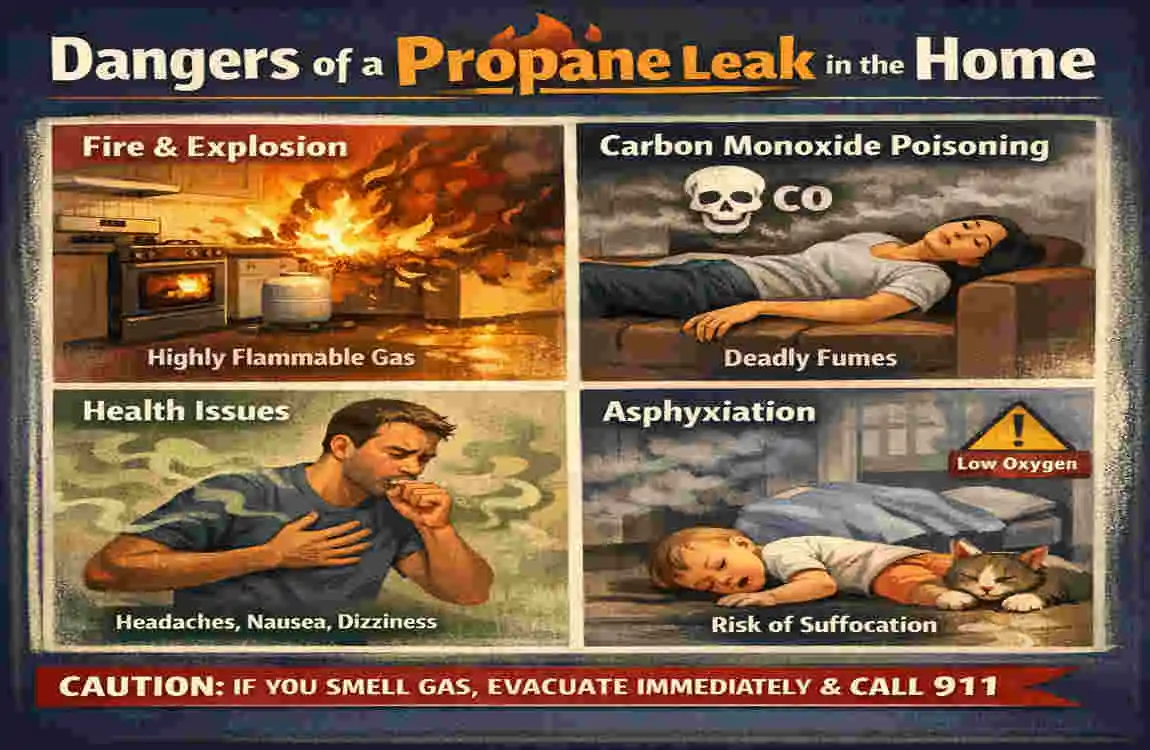
A propane leak in the smell house can pose serious risks. Propane is highly flammable, and even a small spark can ignite it. This makes any leak potentially dangerous.
Another concern is carbon monoxide buildup. If propane leaks into your living space without proper ventilation, it may lead to poisoning. Symptoms include headaches, dizziness, and confusion.
Moreover, propane is heavier than air. It tends to settle in low-lying areas like basements or crawl spaces. This accumulation increases the risk of an explosion if not addressed promptly.
It’s also important to remember that prolonged exposure to gas can affect health over time. Respiratory issues or other complications might arise from continuous inhalation of leaked gas.
Understanding these dangers highlights why regular checks on your propane system are vital for safety at home.
Detecting the Smell of Propane
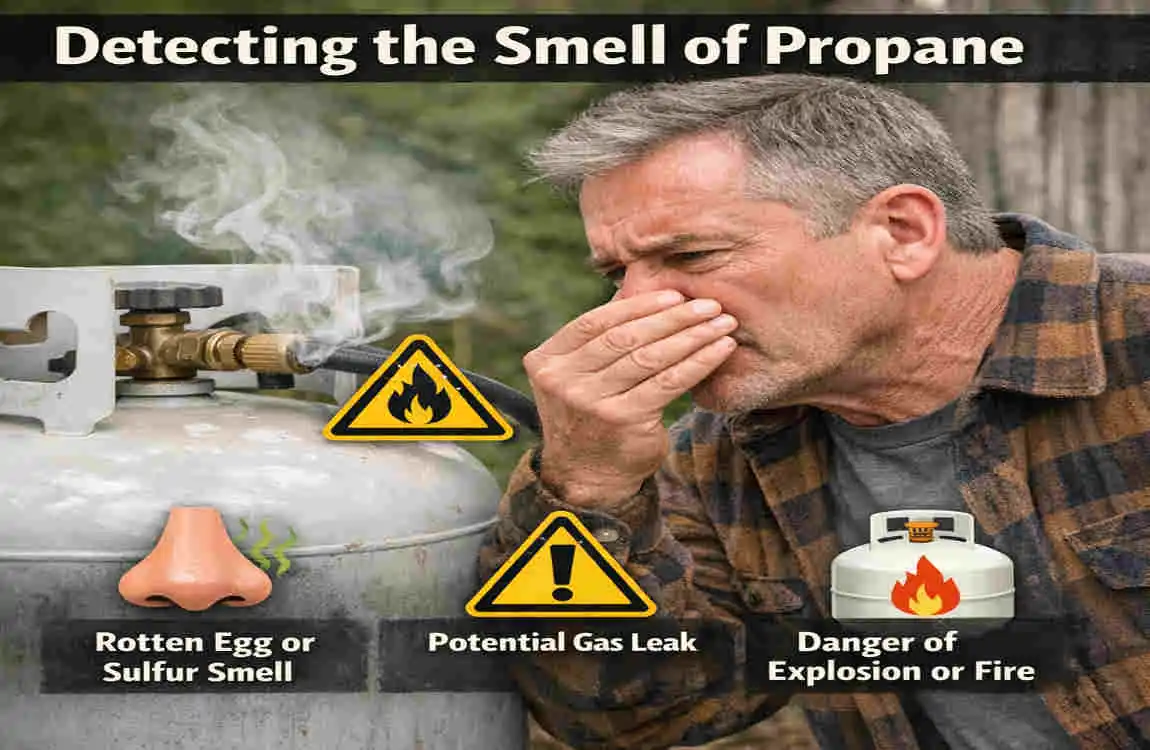
Propane itself is odorless, but a distinct smell is added to help with detection. This chemical, called mercaptan, has a scent reminiscent of rotten eggs or sulfur.
When you notice this odor in your home, it’s not something to ignore. Your senses are alerting you to potential danger.
Be aware that the intensity of the smell can vary depending on factors like ventilation and distance from the leak source. Even a faint whiff should raise concerns.
If you detect this unpleasant aroma near appliances or outside tanks, take it seriously. It’s crucial to act quickly and carefully when propane is involved.
Remember that your safety comes first. Regularly checking for leaks and ensuring proper maintenance can prevent hazardous situations before they start. Stay vigilant; knowing how propane smells could save lives.
What to Do If You Smell Propane in Your House
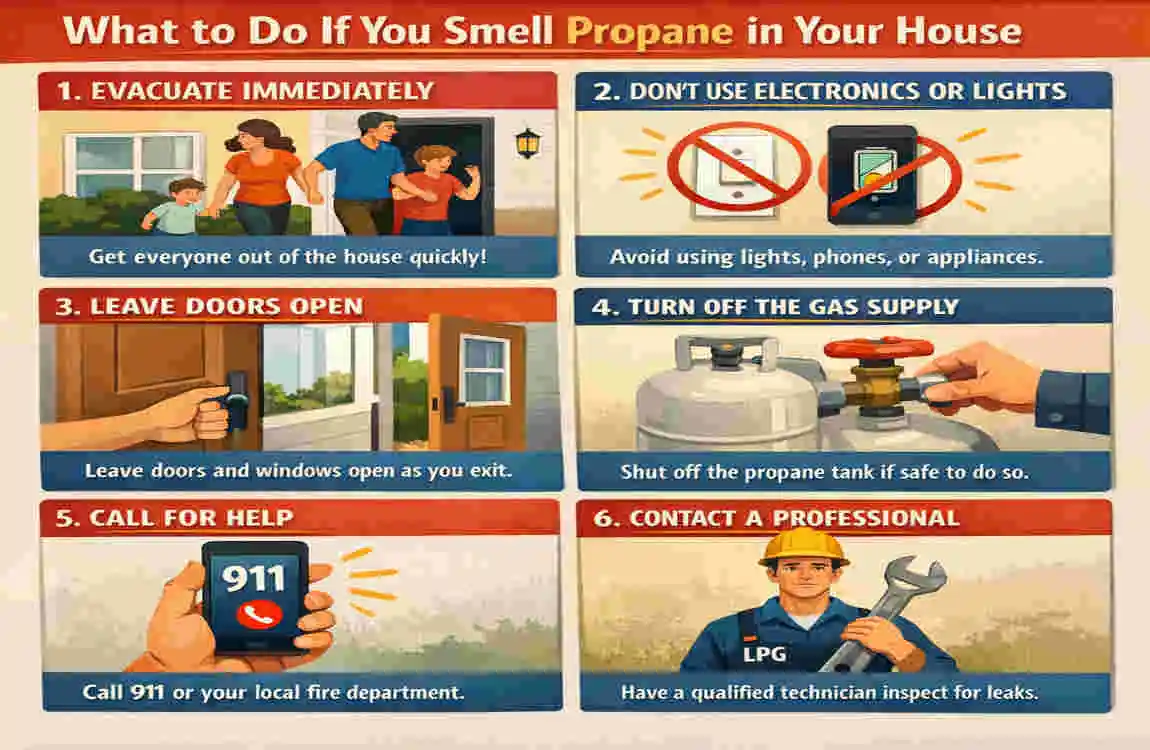
If you smell propane in your house, the first step is to remain calm. Panicking won’t help the situation.
Immediately leave the area where you detect the odor. Open windows and doors to ventilate if it’s safe to do so. This helps disperse gas that may have accumulated.
Next, avoid using any electrical devices or open flames. Even a simple light switch can ignite a spark.
Once you’re at a safe distance from your home, call your local emergency services or propane supplier right away. They have trained professionals who can assess and safely handle leaks.
Do not return until the authorities give you an all-clear signal. Your safety is paramount during these situations, so take every precaution seriously while waiting for assistance to arrive.
Preventing and Maintaining a Safe Propane System
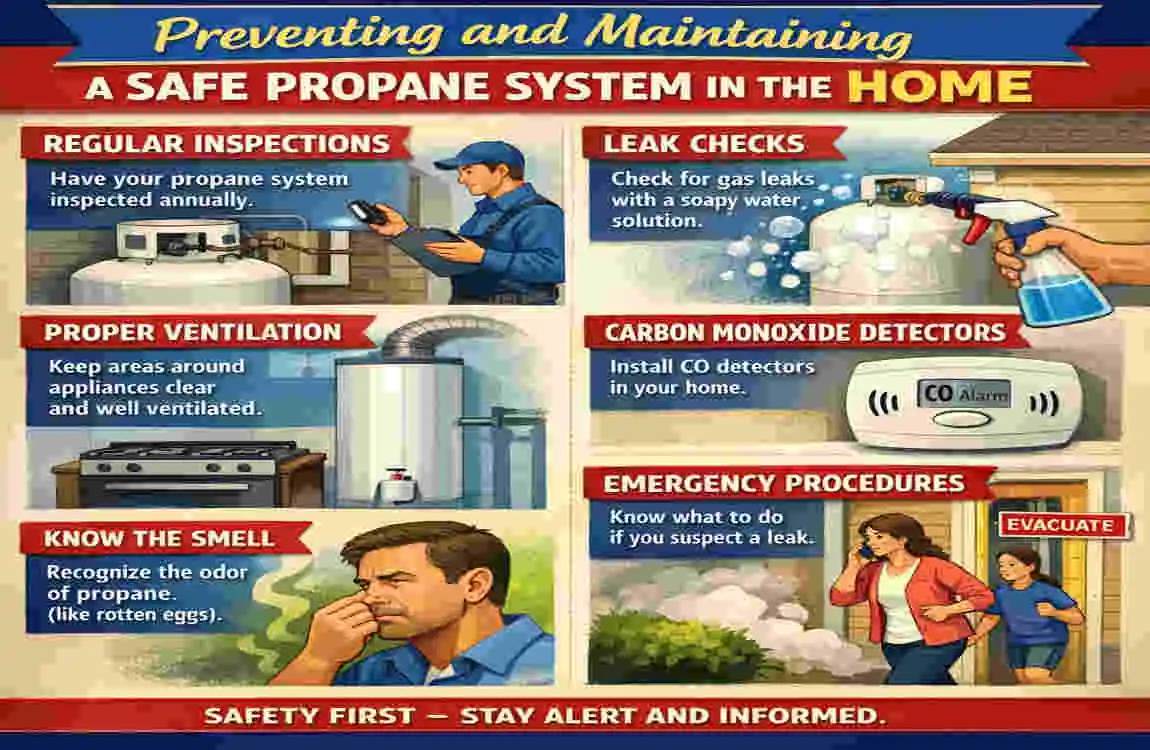
Regular maintenance is key to a safe propane system. Schedule annual inspections with a certified technician. They can check for leaks, faulty connections, and ensure that all appliances are working efficiently.
Always keep the area around your propane tank clear of debris or flammable materials. This not only promotes safety but also allows for easy access in case of an emergency.
Investing in carbon monoxide detectors adds an extra layer of protection. Place them near sleeping areas to ensure you’re alerted if levels become dangerous.
It’s wise to educate everyone in your household about propane safety. Make sure they know how to recognize signs of a leak and what steps to take.
Always follow manufacturer guidelines when using propane appliances. Proper usage significantly reduces risk and enhances overall safety in your home environment.
Your Quick FAQ Guide: What Does Propane Smell Like in a House?
Do you rely on propane to heat your home, cook your meals, or run your appliances? If you do, you hold a very efficient energy source in your hands. However, safety must always come first.
You might wonder how you can tell if your system has a leak. Recognizing the specific scent of propane is your very first line of defense. Let’s break down exactly what you need to know to keep your home and family completely safe.
Why Does Propane Have a Smell in the First Place?
You might find this surprising, but natural propane actually has no smell at all. It is completely invisible and odorless. If a leak happened in its natural state, you would never even know it was filling up your room.
To keep you safe, gas companies actively add a harmless chemical to the fuel. This special additive gives the gas a very strong, unpleasant odor. They do this on purpose! The nasty smell acts as a loud, built-in alarm system for your nose. When you smell it, you instantly know that something is wrong.
What Is the Exact Scent You Should Look Out For?
The scent is very distinct, and you will almost certainly recognize it the moment it hits your nose. Manufacturers design the smell to be impossible to ignore.
If you have a gas leak in your house, you will likely notice one of these heavy, unpleasant odors:
- Rotten eggs: This is the most common description. It smells exactly like eggs that you left out in the hot sun.
- A skunk spray: Many people say it smells just like a skunk that recently sprayed in your backyard.
- Boiled cabbage: You might notice a strong, sharp vegetable smell, similar to old, overcooked cabbage.
- A dead animal: Sometimes, a slow leak simply smells like something spoiled or decaying inside your walls.
What Should You Do If You Smell Propane in Your Home?
Do you smell that rotten egg odor right now? Please do not panic, but you must act very quickly. You need to treat every single gas smell as a real emergency.
Follow these exact steps to protect yourself and your loved ones:
- Put out all flames: Extinguish any candles, cigarettes, or open fires immediately.
- Leave the house right away: Gather your family and your pets, and walk straight out the front door.
- Do not touch any switches: Never flip a light switch, use a landline phone, or touch the thermostat. A tiny electrical spark can easily start a fire.
- Make the call from outside: Once you stand safely away from the house, use your cell phone to call your gas supplier or the fire department.
How Can You Prevent Propane Leaks Before They Happen?
You hold the power to stop leaks long before they ever start. Regular maintenance keeps your gas lines tight and your appliances running smoothly. You do not need to be a technical expert to stay safe.
