
Are you ready to transform your living space into a modern, eco-conscious sanctuary? As we move through 2026, the demand for sustainable homes is reaching an all-time high. With rising energy costs and growing awareness of our climate impact, homeowners are seeking ways to blend high-tech convenience with environmental responsibility.
The good news is that bright house renovation ideas aren’t just about saving the planet; they are also about keeping your wallet. Did you know that green upgrades can deliver a staggering 118% ROI (Return on Investment) on your property value? By choosing the right materials and technology, you can create a home that is stylish, efficient, and significantly healthier for your family.
Why Choose Eco-Smart Renovations?
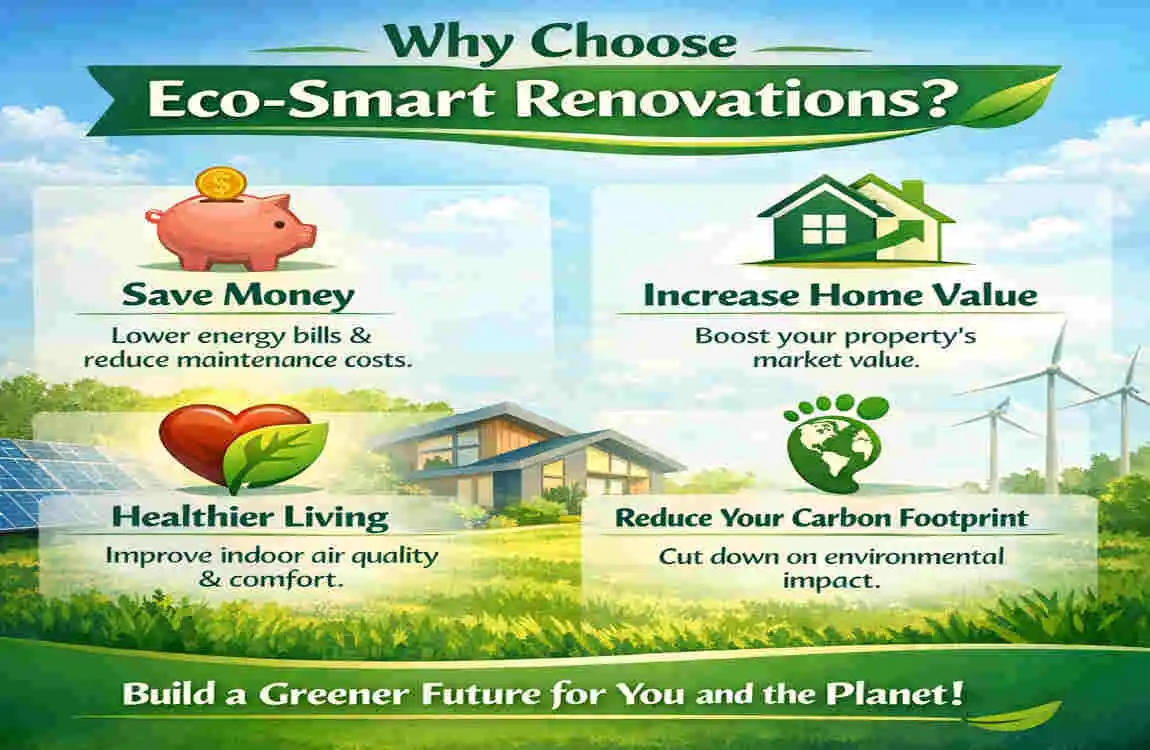
Choosing to go “eco-smart” is more than just a trend; it is a lifestyle shift that prioritizes the future. In 2026, the focus has shifted toward regenerative materials and passive design. This means we aren’t just trying to do “less harm”—we are trying to build homes that actually contribute to a healthier environment.
When you implement bright house renovation ideas, you benefit from:
- Massive Cost Savings: For instance, switching to Energy Star appliances can immediately cut your energy use by 15%.
- Better Health: Using low-VOC (Volatile Organic Compound) paints and finishes improves your indoor air quality, reducing the risk of respiratory issues.
- Environmental Impact: By using materials certified by the FSC (Forest Stewardship Council) or Green Seal, you ensure your home isn’t contributing to deforestation or chemical pollution.
Using a simplified, beautiful interface for your home management, much like how some word processors prioritize vertical space for better focus, can make managing these systems a breeze.
Planning Your Smart Renovation
Before you pick up a sledgehammer, you need a solid plan. A successful sustainable home makeover starts with a thorough energy audit. This helps you find “leaks” where your money is literally flying out the window.
When budgeting, it is helpful to use a consistent format for your planning documents to keep things organized. You should also decide which projects are DIY-friendly and which require a professional. While you can certainly paint a room yourself, installing a solar-powered HVAC system is definitely a job for the pros.
DIY vs. Professional Renovation Costs
Project Idea, Estimated DIY Cost, Estimated Pro Cost, Potential ROI
Smart Thermostat $150 – $250 $300 – $500 High (10-15% bill savings)
Low-VOC Painting $200 – $500 $1,500 – $3,000 Moderate (Health & Aesthetics)
LED Lighting Swap $100 – $300 $500 – $1,000 High (75% energy reduction)
Solar Panel Install Not Recommended $15,000 – $25,000 Very High (Long-term)
Bamboo Flooring $1,500 – $3,000 $4,000 – $7,000 High (Durability & Style)
Top 40 Eco-Smart House Renovation Ideas
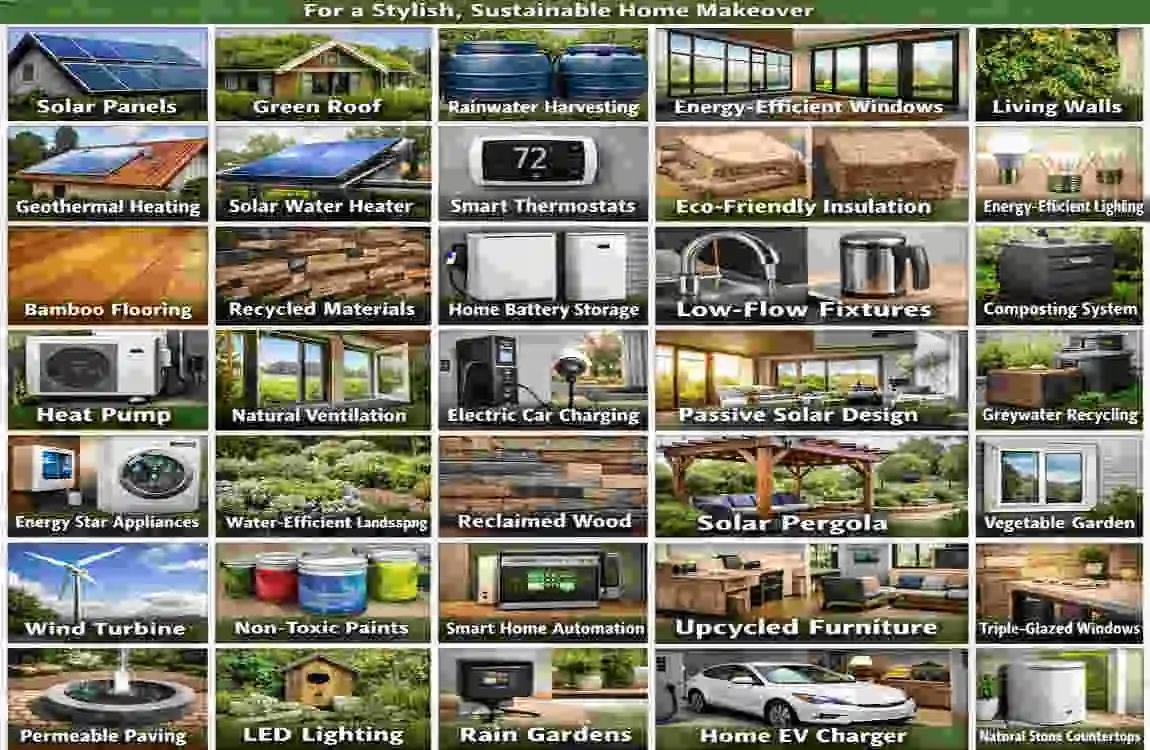
Let’s dive into the heart of the matter. We have broken down these 40 bright house renovation ideas into ten easy-to-navigate categories. This structure helps you focus on the areas that matter most to you, whether it’s the kitchen, the backyard, or your home’s “brain.”
Energy Efficiency Upgrades
The quickest way to see a return on your investment is to stop wasting energy. These smart home renovation ideas focus on your home’s “envelope.”
High-Performance Insulation
Stop the drafts! Swapping your old fiberglass batts for spray foam or recycled cellulose can reduce heat loss by up to 50%. It creates an airtight seal that keeps your home cozy in the winter and cool in the summer.
Energy-Efficient Windows
If your windows are more than 20 years old, you are likely losing money. Install double-glazed, low-E glass windows. These have a special coating that reflects infrared light, keeping heat inside during winter and outside during summer.
Smart Thermostats
Devices like Nest or Ecobee are essential for any modern home. They learn your daily habits and automatically adjust the temperature. Most users see a 10-15% drop in their monthly utility bills.
LED Lighting Retrofit
This is the easiest “win” on the list. A full-home swap to LED bulbs cuts your lighting energy consumption by 75%. Plus, modern LEDs come in beautiful warm tones that mimic traditional bulbs perfectly.
Sustainable Materials
What your home is made of matters. These ideas focus on using renewable or recycled materials.
Reclaimed Wood Flooring
Give old wood a new life. Using reclaimed teak or oak adds incredible character to your home and boasts a potential 118% ROI. It’s durable, beautiful, and prevents new trees from being cut down.
Bamboo or Cork Alternatives
If you want a fresh, modern look, try bamboo or cork. Bamboo grows incredibly fast, making it a highly renewable resource. Cork is harvested from the bark of trees without killing them, and it’s naturally antimicrobial.
Recycled Countertops
Move over, granite! Recycled glass or ocean plastic countertops are the new standard for chic, responsible design. They are non-porous, easy to clean, and look like pieces of modern art.
Low-VOC Paints
Standard paints can “off-gas” chemicals for years. Low-VOC or Zero-VOC paints use natural pigments and binders, ensuring your indoor air stays fresh and non-toxic.
Water Conservation Fixtures
Water is a precious resource. These bright house renovation ideas help you use less of it without changing your lifestyle.
Low-Flow Showerheads
You don’t have to sacrifice water pressure to be green. Modern low-flow showerheads use air-induction technology to provide a powerful spray while saving about 2.5 gallons per minute.
Dual-Flush Toilets
Why use a full tank of water when you don’t need to? Dual-flush toilets offer two options for waste removal, reducing your overall water usage by roughly 30%.
Rainwater Harvesting
Install a greywater system or simple rain barrels to collect water from your roof. This water is perfect for your garden, meaning you won’t have to use treated tap water for your lawn.
Permeable Paving
Traditional concrete driveways cause water runoff that can overwhelm local sewers. Permeable paving allows rainwater to soak back into the ground, replenishing the local water table.
Smart Tech Integration
A “smart” home is an efficient home. These ideas use technology to automate your savings.
Home Energy Monitors
Knowledge is power. Systems like Sense track your energy usage in real-time via an app. You can see exactly which appliance is “hogging” the power and adjust accordingly.
Automated Shading
Solar-responsive blinds are a game-changer for passive cooling. They automatically close when the sun is at its hottest, preventing your home from overheating and saving your AC from working overtime.
Voice-Controlled Outlets
Use Alexa-enabled smart plugs to cut “phantom loads.” Many electronic devices draw power even when turned off. With a simple voice command, you can cut the power to your entire entertainment center.
Solar Panel Add-Ons
Roof-integrated solar panels with battery storage (like the Tesla Powerwall) allow you to store energy during the day and use it at night. This can eventually take your home entirely off the grid.
Kitchen Makeovers
The kitchen is the heart of the home, and it’s also where you use the most energy and water.
Energy Star Appliances
When it’s time to replace that old fridge, look for the Energy Star label. These appliances are at least 15% more efficient than standard models, which adds up to significant savings over a decade.
Bamboo Cabinetry
Bamboo isn’t just for floors. Bamboo cabinets are incredibly moisture-resistant and durable, making them perfect for the humid environment of a kitchen.
Built-In Compost Bins
Make waste diversion easy. A seamless, built-in compost bin in your countertop encourages you to scrap those veggie peels instead of throwing them in the trash.
Induction Cooktops
Induction cooking uses magnetic fields to heat your pans directly. It is 50% more efficient than gas and much safer, as the cooktop itself stays cool to the touch.
Bathroom Transformations
Turn your bathroom into a spa-like retreat that respects the environment.
Recycled Tile Showers
Create a stunning mosaic using recycled glass or ceramic tiles. Many companies now offer “zero-waste” tiles made from factory scraps that would otherwise end up in a landfill.
Solar-Powered Heated Floors
There is nothing like a warm floor on a cold morning. By using a solar-thermal system to heat the water in your radiant floor pipes, you get luxury without the high electric bill.
Greywater Recycling
Some advanced systems allow you to recycle shower water to flush your toilets. It’s a brilliant way to get a second use out of every gallon of water you pay for.
Natural Stone Vanities
Choose locally sourced natural stone for your vanity. It’s incredibly durable and doesn’t require the massive carbon footprint associated with shipping heavy materials across the globe.
Outdoor & Landscaping

Your eco-smart renovation shouldn’t stop at the front door.
Native Plant Gardens
Forget the high-maintenance lawn. Xeriscaping with native plants requires significantly less water and provides habitat for local pollinators, such as bees and butterflies.
Green Roofs
A living roof covered in vegetation provides incredible insulation for your home and helps reduce the “urban heat island” effect. Plus, it looks absolutely stunning.
Solar Path Lights
Light up your walkway without running a single wire. Solar path lights charge during the day and provide a soft, off-grid ambiance all night long.
Permeable Decks
Build your deck using composite recycled materials. These boards are made from recycled plastic and wood fibers, meaning they won’t rot, warp, or require toxic staining.
Passive Design Features
Sometimes the most innovative technology is no technology at all. Passive design uses the elements to keep you comfortable.
Skylights & Clerestory Windows
Maximize daylight harvesting. By installing windows high on your walls or in the ceiling, you can let natural light fill your home for most of the day, reducing the need for electric lights.
Cross-Ventilation Layouts
When renovating, consider the airflow. A cross-ventilation layout uses strategically placed windows to create a natural breeze, allowing you to keep the AC off during the shoulder seasons.
Thermal Mass Walls
Materials like clay, plaster, or concrete can act as a “thermal battery.” They soak up heat during the day and slowly release it at night, keeping your indoor temperature stable.
Overhang Strategies
A well-designed roof overhang blocks the high summer sun while allowing the low winter sun to shine in and warm your floors. It’s a simple architectural trick with massive energy benefits.
HVAC & Air Quality
Breathe easier with these bright house renovation ideas focused on the air you breathe.
Heat Recovery Ventilators (HRV)
An HRV system brings in fresh outdoor air while “robbing” the heat from the outgoing stale air. This ensures you have fresh air without losing the energy you used to heat your home.
Ductless Mini-Splits
If you are adding a room or have a “hot spot” in your house, ductless mini-splits offer zoned efficiency. You only heat or cool the room you are actually using.
Integrated Living Walls
Why buy a plastic air purifier when you can use nature? Living walls with air-purifying plants like spider plants or peace lilies naturally filter toxins from your indoor air.
HEPA Filter Upgrades
Upgrade your HVAC system with HEPA-grade filters. This simple change significantly reduces allergens, dust, and pet dander, making your home a haven for allergy sufferers.
Finishing Touches
The small details can make a big difference in your home’s overall “green” footprint.
Recycled Metal Accents
Use recycled copper or steel for your cabinet pulls and light fixtures. It adds a rustic, industrial-chic vibe while supporting the circular economy.
Smart Locks & Doorbells
Smart security isn’t just for safety; it’s for efficiency. You can ensure your doors are locked and your lights are off from anywhere in the world using your smartphone.
Upcycled Furniture Nooks
Instead of buying new, create custom built-ins using upcycled wood or vintage furniture pieces. It gives your home a unique, “one-of-a-kind” feel that you can’t get from a big-box store.
Eco-Rugs from Bottles
You would never guess that a soft, plush rug was once a pile of plastic water bottles. PET rugs are stain-resistant, incredibly durable, and keep plastic out of our oceans.
Implementation Tips: How to Get Started
Now that you have 40 amazing smart home renovation ideas, how do you actually get started? It can feel overwhelming, but the key is to take it one step at a time.
- Conduct an Audit: Start with a professional energy audit to see where you are losing the most money.
- Prioritize ROI: Focus on the “low-hanging fruit” first—LED lighting and smart thermostats that pay for themselves quickly.
- Source Certified Pros: When hiring, look for contractors with experience in sustainable building practices.
- Avoid Over-Customizing: While you want your home to be yours, choose eco-friendly upgrades with broad appeal to ensure you get that 118% ROI if you ever decide to sell.
FAQ: Smart House Renovation Ideas
Q: How much does a full eco-renovation cost? A: It varies wildly, but most homeowners spend between $15,000 and $50,000 on a comprehensive suite of green upgrades. However, many of these pay for themselves in energy savings within 5-10 years.
Q: Will eco-friendly materials look “weird” in my modern home? A: Not at all! In 2026, sustainable design is the height of fashion. Materials like reclaimed wood and recycled glass are highly sought after for their unique textures and high-end look.
Q: Can I do these renovations myself? A: Many ideas, like swapping light bulbs, installing smart plugs, or painting with low-VOC paints, are perfect for DIYers. However, anything involving electrical, plumbing, or structural changes should be handled by a professional. Using the right tools and prompts for your planning can help you stay on track.
