
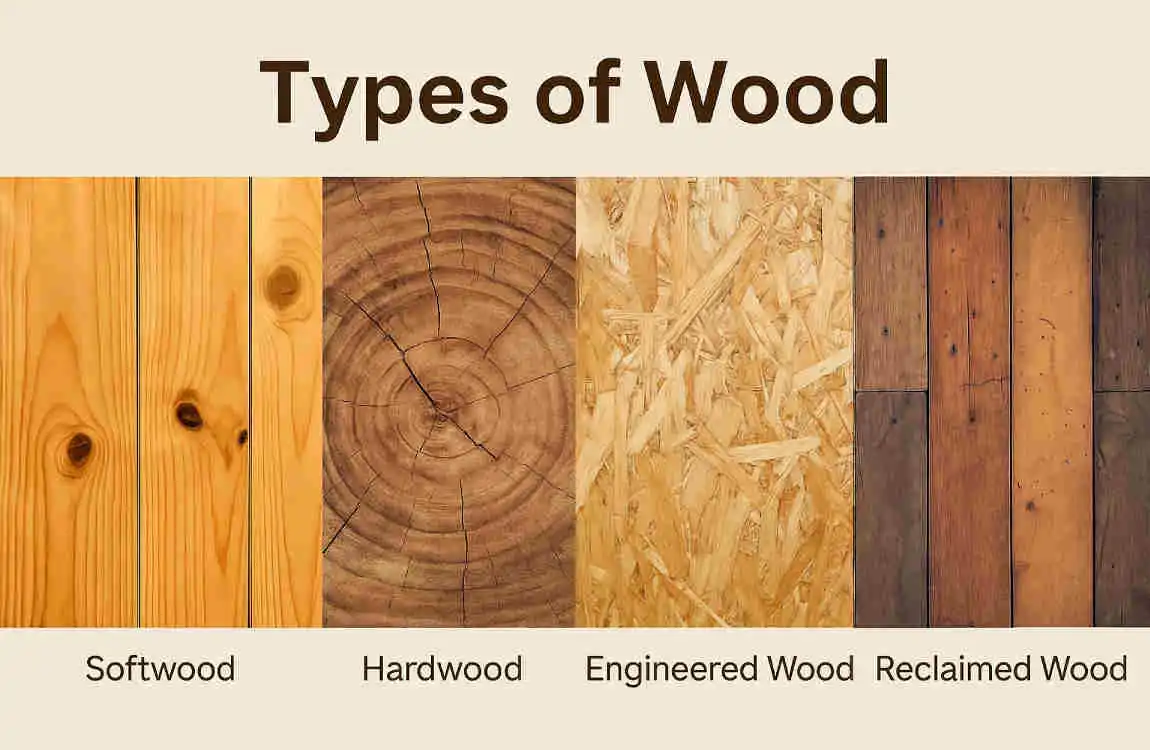
Wood has been a fundamental building material for centuries, and today, it continues to play a starring role in home construction. Did you know that over 90% of U.S. homes incorporate wood in some form? This is because wood offers a unique blend of strength, affordability, and sustainability, making it a top choice for builders and homeowners alike.
Why Choose Wood for House Building?
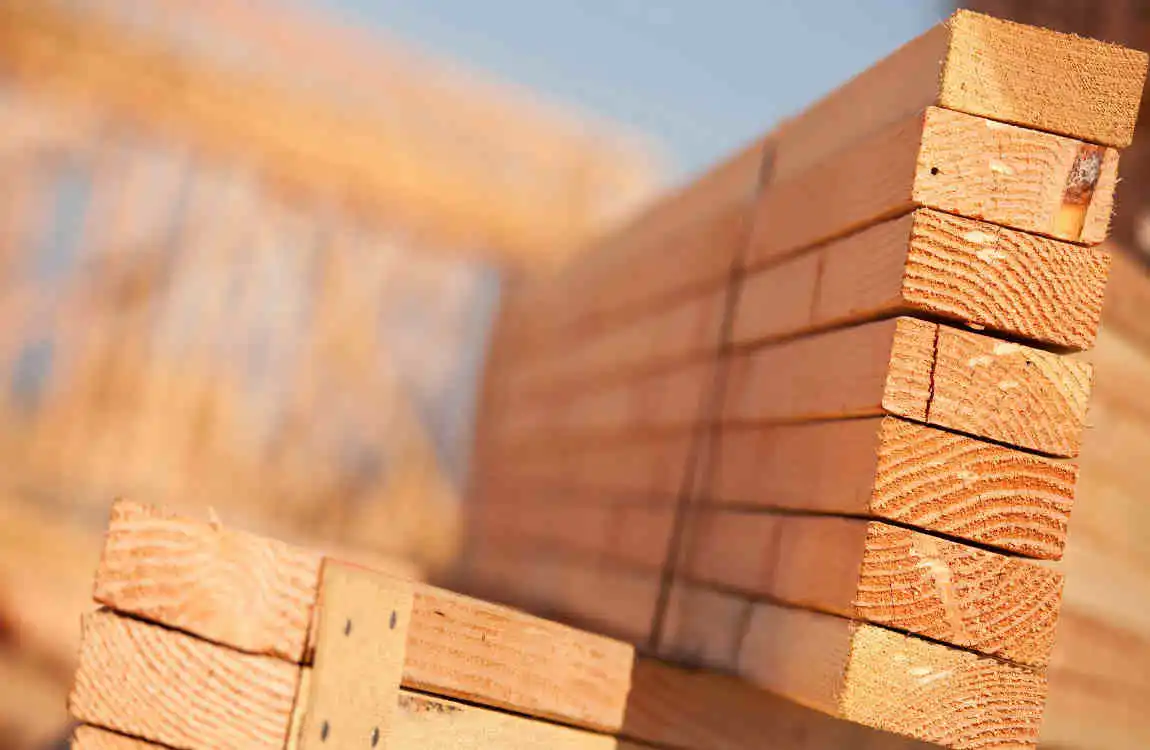
Wood isn’t just traditional; it’s practical and eco-friendly. Here are some key reasons why wood is widely preferred over materials like steel or concrete.
Renewable and Sustainable
Wood comes from trees, which are a renewable resource when managed responsibly. Forests can be replanted and harvested in cycles, providing a continuous supply of wood. This contrasts with steel and concrete, which rely on mined minerals and fossils fuels.
Natural Insulation and Comfort
Wood naturally insulates homes, keeping interiors warm in winter and cool in summer. This reduces energy bills and creates a cozy atmosphere. Its breathability also helps regulate humidity, which benefits indoor air quality.
Cost-Effective Building Material
From a cost perspective, wood is typically 20-30% cheaper than steel or concrete structures. This price advantage makes wood an especially good choice for residential construction.
Carbon Storage and Low Eco-Impact
Wood stores carbon absorbed during a tree’s life, effectively locking away greenhouse gases. When sustainably harvested, wood construction can have a much smaller carbon footprint than other building methods.
The benefits of wood make it a smart, sustainable choice for building homes. Now, let’s dive into the 10 most popular types of wood used in house construction.
Top 10 Types of Wood Used to Build Houses
We’ll cover each wood type’s origin, strengths, estimated 2026 costs, sustainability credentials, and best uses. Plus, you’ll find a handy pros-and-cons table for quick comparison.
Douglas Fir
Douglas Fir is often called the strongest softwood for framing. It has an excellent strength-to-weight ratio, making it ideal for structural elements like beams and joists.
- Origin: Native to the western U.S. and Canada.
- Strength: Janka hardness around 660, strong yet workable.
- Cost: $1-2 per board foot (2026 estimate).
- Sustainability: Fast-growing species with low carbon footprint; widely FSC certified.
- Best Uses: Framing, beams, flooring.
Pros and Cons:
Pros Cons
High strength-to-weight Can be prone to resin bleed
Fast-growing and sustainable Needs treatment for outdoor use
Douglas Fir’s balance of strength and sustainability makes it a go-to for builders.
Southern Yellow Pine
Southern Yellow Pine is a budget-friendly staple for home studs and framing.
- Origin: Southeastern U.S.
- Strength: Janka hardness ~510.
- Cost: $0.80-1.50 per board foot.
- Sustainability: Sourced from sustainable plantations.
- Best Uses: Studs, framing, flooring.
Pros and Cons:
Pros Cons
Affordable and strong Moderate decay resistance
Widely available Can warp if not properly dried
Its affordability and decent strength make it perfect for large-scale framing.
Spruce-Pine-Fir (SPF)
SPF is a lightweight and economical choice for framing, prevalent in North America.
- Origin: Mixed species from boreal forests.
- Strength: Janka around 460.
- Cost: $0.70-1.20 per board foot.
- Sustainability: Abundant supply, well-managed forests.
- Best Uses: Framing, roof trusses.
Pros and Cons:
Pros Cons
Low cost and lightweight Lower natural decay resistance
Easy to work with Not ideal for outdoor use without treatment
SPF is the backbone of many budget home builds due to its cost and availability.
Western Red Cedar
Known for its natural resistance to rot and insects, this wood is prized for siding and outdoor applications.
- Origin: Pacific Northwest.
- Strength: Janka ~350 (softer).
- Cost: $2-4 per board foot.
- Sustainability: Highly sustainable, lightweight.
- Best Uses: Siding, decking, outdoor trim.
Pros and Cons:
Pros Cons
Excellent rot resistance Softer, can dent easily
Beautiful natural color Higher cost than softwoods
Cedar is perfect for adding natural beauty and durability on exterior surfaces.
Oak (White/Red)
Oak is a classic durable hardwood used for beams and flooring.
- Origin: Widely found in eastern U.S.
- Strength: Janka hardness 1360.
- Cost: $4-7 per board foot.
- Sustainability: Long-lived trees with good carbon storage.
- Best Uses: Structural beams, flooring.
Pros and Cons:
Pro Cons
Very durable and hard Higher price point
Attractive grain Heavier to work with
Oak’s long lifespan and strength make it ideal for floors and heavy-duty framing.
Bald Cypress
Bald Cypress is naturally decay-resistant, perfect for outdoor use.
- Origin: Southeastern U.S. wetlands.
- Strength: Janka ~900.
- Cost: $2-$3.50 per board foot.
- Sustainability: Grown sustainably in the region.
- Best Uses: Outdoor trim, decking.
Pros and Cons:
Pros Cons
Excellent rot resistance Limited availability
Stable and durable Slightly higher cost
Its water resistance makes Bald Cypress a smart choice for outdoor structures.
Hemlock
Hemlock is a stable softwood used mainly for interior framing.
- Origin: Northern U.S. and Canada.
- Strength: Janka ~630.
- Cost: $0.90-1.40 per board foot.
- Sustainability: Fast-growing, renewable.
- Best Uses: Interior framing, trim.
Pros and Cons:
Pros Cons
Stable and easy to work Less decay resistant
Affordable Needs treatment outdoors
Hemlock is a solid choice when cost and stability matter most indoors.
Redwood
Redwood is prized for premium weatherproofing and beauty.
- Origin: California coast.
- Strength: Janka ~450.
- Cost: $5-8 per board foot.
- Sustainability: Old-growth logging concerns; farmed sources preferred.
- Best Uses: Exterior siding, decking.
Pros and Cons:
Pros Cons
Naturally weather-resistant Expensive
Beautiful reddish hue Environmental concerns
Opt for farmed redwood to enjoy beauty with better environmental ethics.
Hickory
Hickory is an ultra-strong hardwood used for demanding structural needs.
- Origin: Eastern U.S.
- Strength: Janka 1820 (very hard).
- Cost: $5-6 per board foot.
- Sustainability: Abundant hardwood species.
- Best Uses: Structural supports, flooring.
Pros and Cons:
Pros Cons
Extremely strong Difficult to work with
Durable and shock-resistant Pricier
Hickory is for those needing maximum strength in their wood.
Maple
Maple is a hard, stable wood often used for flooring.
- Origin: Northern U.S. and Canada.
- Strength: Janka ~1450.
- Cost: $3-5 per board foot.
- Sustainability: Managed forests ensure renewability.
- Best Uses: Flooring, cabinetry.
Pros and Cons:
Pros Cons
Hard and wear-resistant Can be prone to denting
Attractive light color Requires finishing
Maple offers a durable, beautiful finish that lasts.
Factors to Consider: Strengths, Costs & Sustainability
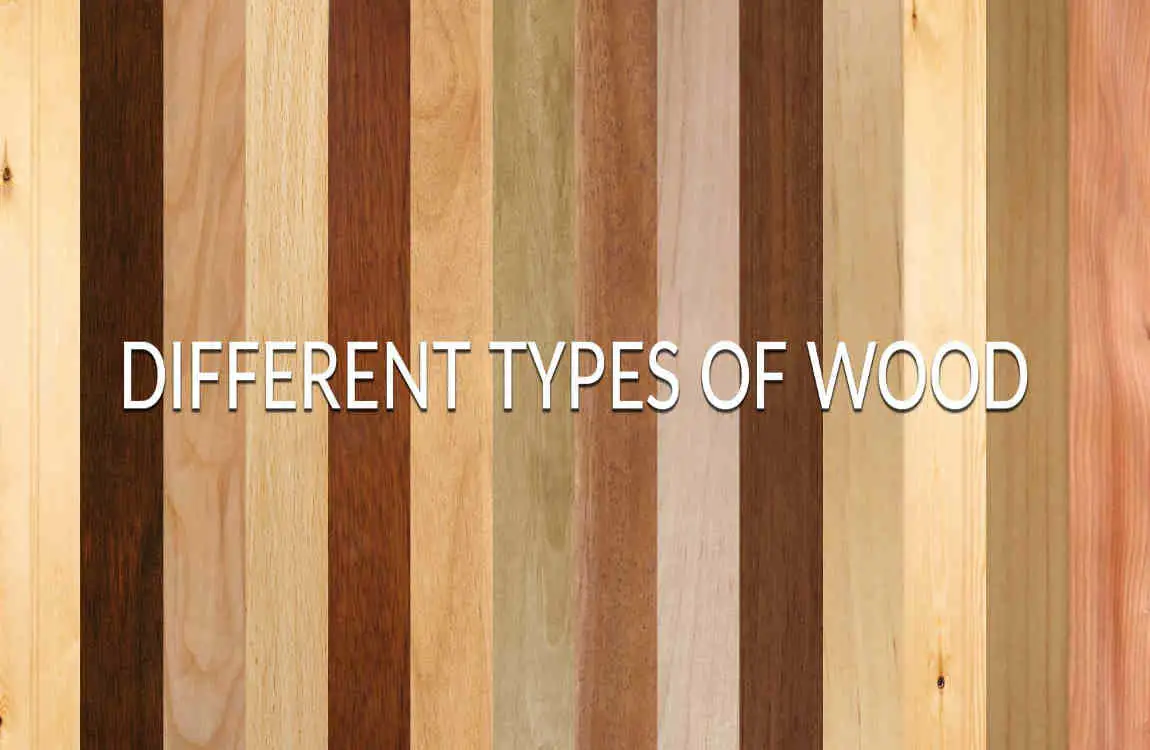
When choosing wood for your home, there are three key factors to evaluate carefully.
Strength Metrics
The Janka hardness test measures wood’s resistance to denting and wear. Higher Janka numbers indicate harder woods, but remember that softer woods like Douglas Fir offer great structural strength for their weight.
Costs and Regional Pricing
Wood prices vary greatly by region and market demand. In 2026, expect an approximate 10% increase in lumber prices due to supply chain factors. Buying locally can save you about 15-20% on costs and reduce environmental impact.
Sustainability Certifications
Look for wood certified by FSC (Forest Stewardship Council) or PEFC (Programme for the Endorsement of Forest Certification). These labels guarantee responsible harvesting and forest management.
Tips for Buyers
- Source locally whenever possible to reduce transport emissions and costs.
- Consider hybrid builds combining wood with steel or concrete to balance strength, cost, and eco-goals.
- Prioritize wood species with fast growth rates and certifications.
