

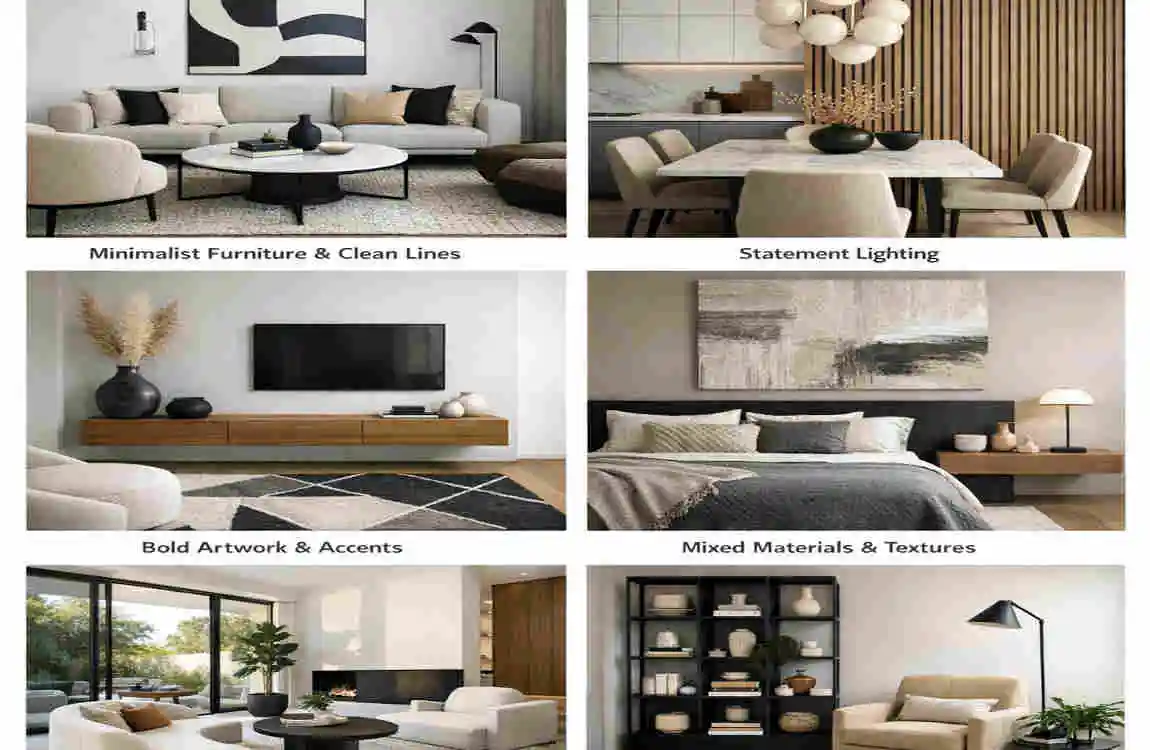
In 2026, contemporary design styles are dominating homes worldwide, is no exception. Did you know that 68% of urban homeowners in cities like are shifting to contemporary designs? This trend isn’t just about aesthetics—it’s about creating spaces that feel clean, functional, and timeless.
But what exactly does “contemporary design” mean? It goes beyond “modern” styles by blending elements of minimalism, warmth, and cutting-edge technology. Whether you live in a spacious villa or a cozy apartment, contemporary designs can elevate your space while ensuring practicality.
| Style | Core Features | Color Palette | Best For |
|---|---|---|---|
| Warm Minimalism | Clean lines, curated decor, subtle textures | Neutrals (grays, taupes, beiges) | Living rooms, open spaces |
| Urban Industrial | Exposed materials, sleek metals, raw edges | Grays, blacks, warm accents | Kitchens, lofts |
| Coastal Contemporary | Fluid organic shapes, light woods, airy vibes | Soft blues, whites, sands | Bedrooms, coastal homes |
| Scandinavian-Inspired | Functional simplicity, natural light, hygge warmth | Whites, pastels, woods | Family areas, small spaces |
| Maximalist Revival | Intentional clutter, bold art, layered patterns | Rich jewel tones, earth shades | Creative studios, dining |
What Are Some Contemporary Design Styles? Top 10 Trends to Know
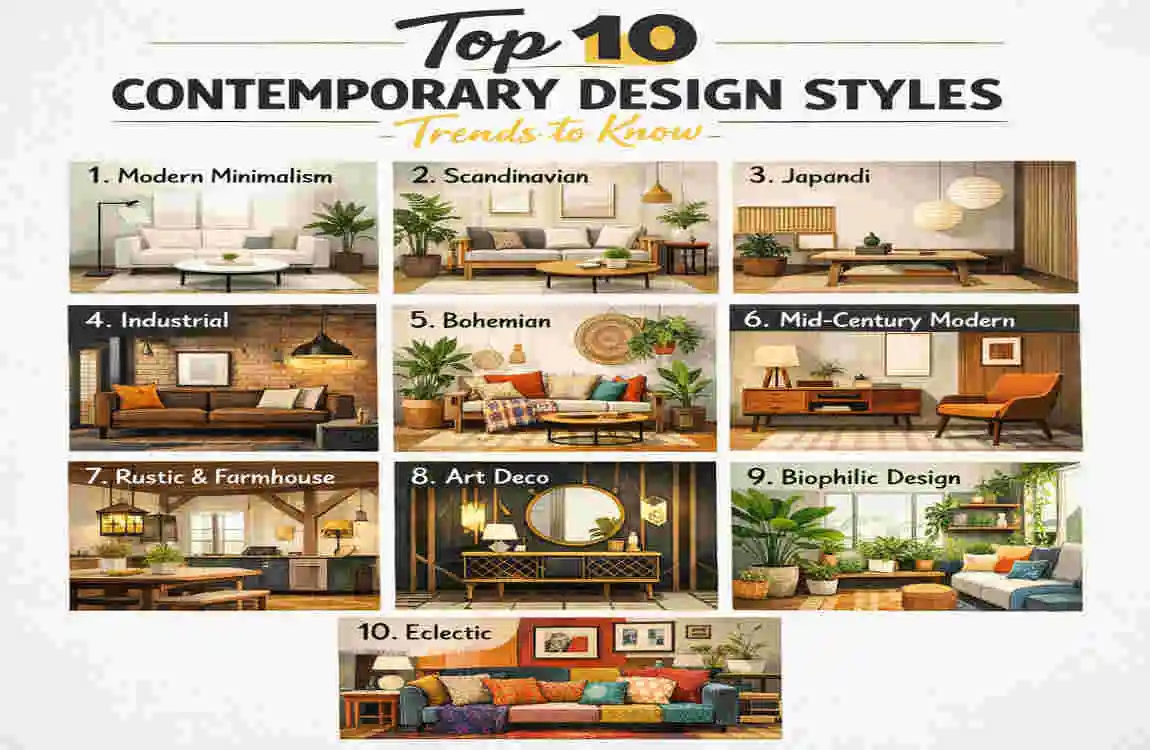
Contemporary design is incredibly versatile, offering a variety of styles to suit different tastes. Below, we explore 10 standout trends that are making waves in 2026:
Minimalist Contemporary
This style emphasizes clean lines, neutral colors, and uncluttered spaces. Think white walls, floating shelves, and sleek furniture. It’s perfect for those who believe “less is more.”
Biophilic Design
Inspired by nature, biophilic designs incorporate plants, natural light, and wood textures. In climate, adding indoor greenery and bamboo furniture can create a harmonious and refreshing environment.
Scandinavian-Inspired Modern
Scandinavian design focuses on cozy minimalism. Light woods, soft textiles, and warm lighting create an inviting space that feels both functional and beautiful.
Industrial Contemporary
This urban style features exposed brick, metal accents, and raw finishes. It’s ideal for homeowners who love a rugged yet sophisticated vibe, especially in city apartments.
Japandi Fusion
A blend of Japanese minimalism and Scandinavian warmth, Japandi offers simplicity with a touch of coziness. Imagine neutral tones, low furniture, and earthy elements.
Soft Minimalism
Unlike traditional minimalism, soft minimalism incorporates curves, pastel tones, and soft materials. It’s a more approachable take on the minimalist aesthetic.
Tech-Integrated Styles
Smart homes are the future! Hidden wiring, smart lighting, and automated blinds are key features of this style, seamlessly blending technology with design.
Earthy Neutrals
This trend uses terracotta, beige, and muted greens to create a grounded and luxurious feel. Pair these tones with natural fabrics for added comfort.
Geometric Maximalism
Bold patterns and geometric shapes bring energy to spaces. Use this style sparingly to avoid overwhelming the room.
Sustainable Contemporary
Eco-conscious homeowners will love this style, which incorporates recycled materials, energy-efficient fixtures, and sustainable design practices.
Quick Comparison of Contemporary Styles
To help you decide, here’s a comparison of these styles based on key features:
Style Key Colors Best Rooms Budget (PKR/sq ft)
Minimalist Whites, grays , Living, Bedroom 5,000-8,000
Biophilic Greens, woods , Any 6,000-10,000
Scandinavian Light woods, beige Living, Dining 4,000-7,000
Industrial Gray, black Kitchen, Loft 6,000-12,000
Japandi Neutral tones Bedroom, Study 5,000-9,000
Key Elements of Contemporary Design Styles: What Makes Them Tick
While each contemporary style has its unique charm, they all share some universal elements. Let’s break them down:
Open Layouts
Contemporary homes prioritize open layouts to create a sense of spaciousness. Walls are minimized to improve flow between rooms.
Neutral Color Palettes
Neutral tones like whites, grays, and beiges dominate contemporary design. Pops of color, such as sage green or terracotta, add personality without overwhelming the space.
Sleek Furniture
Furniture in contemporary homes is often low-profile and functional. Look for pieces with clean lines and smooth finishes.
Natural Light
Large windows, skylights, and sheer curtains are key to maximizing natural light. They make spaces feel brighter and more inviting.
Sustainable Materials
Eco-friendly materials like bamboo, recycled wood, and energy-efficient fixtures are becoming increasingly popular.
Step-by-Step Guide: How to Embrace Contemporary Design Styles in Your Home
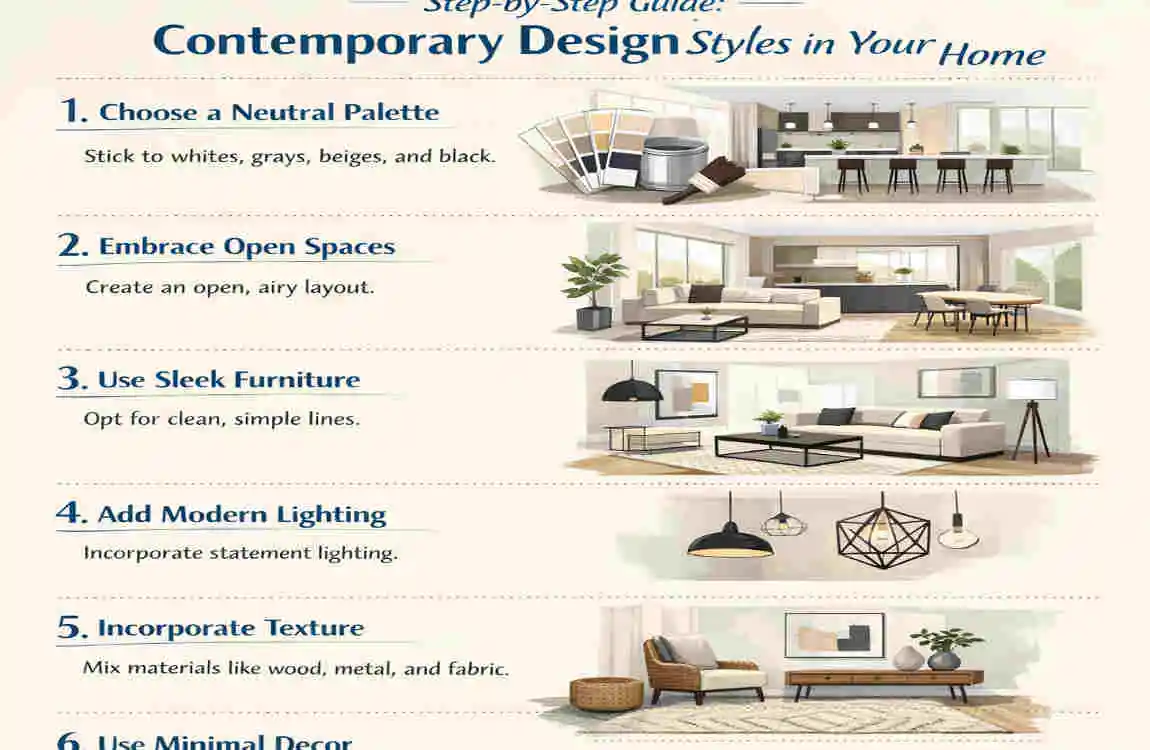
Transforming your home doesn’t have to be overwhelming. Follow this step-by-step guide to bring contemporary styles into your space:
Assess Your Space
Start by measuring your rooms and identifying problem areas. Is your living room too cluttered? Does your bedroom lack natural light? Understanding these issues will help you plan effectively.
Choose Your Style Mix
Not sure which style suits you? Answer these quick questions:
- Do you prefer simplicity or bold patterns?
- Are you drawn to nature-inspired designs?
- How much technology do you want in your home?
Budget and Shop Smart
Allocate your budget wisely:
- 40% for furniture
- 30% for materials
- 20% for labor
- 10% for decor
In places like Liberty Market offer affordable options for Japandi and minimalist furniture.
Implement Room-by-Room
Here’s how to tackle each room:
- Living Room: Opt for sectional sofas and gallery walls.
- Kitchen: install handleless cabinets and quartz countertops.
- Bedroom: Use platform beds and linen bedding.
- Outdoor Spaces: Add biophilic elements like potted plants and wooden benches.
Common Mistakes to Avoid When Adopting Contemporary Design Styles
Even the best plans can go wrong. Here are some common mistakes to avoid:
- Over-minimalizing: Adding texture is crucial; otherwise, your space might feel sterile.
- Ignoring Scale: Ensure your furniture fits the room size.
- Skipping Functionality: Don’t forget practical elements, such as smart wiring.
- Unthinkingly Following Trends: Personalization is key to making your home truly yours.
Real Lahore Home Transformations: Case Studies
Biophilic Makeover
A small apartment in was transformed with a biophilic design. The homeowner added indoor plants, bamboo furniture, and natural lighting. Cost: PKR 500,000.
Industrial Villa
A Gulberg villa adopted industrial contemporary elements, such as exposed brick, metal accents, and open layouts—result: A 20% increase in property value.
Sustainable Family Home
A family home in DHA embraced sustainable design with recycled materials and solar panels. The eco-friendly upgrades were both stylish and functional.
Budget-Friendly Hacks and Where to Source

You don’t need a huge budget to embrace contemporary design. Here are some tips:
- DIY Projects: Try painting walls in soft pastel tones or adding geometric patterns.
- Local Markets: Visit Hashoo Market for affordable fabrics and Kamrooz for tiles.
- Online Options: Daraz offers sustainable decor for PKR 10,000 or less.
FAQ: What Are Some Contemporary Design Styles?
What are some contemporary design styles for living rooms?
Contemporary living rooms often feature minimalist designs with clean lines and neutral palettes. Styles like Scandinavian-inspired modern, industrial, and biophilic design are popular choices. These combine comfort, functionality, and a fresh, open feel.
How can I embrace contemporary design in small homes?
Focus on soft minimalism, multifunctional furniture, and natural light to make small spaces feel larger. Incorporate biophilic elements like plants to add life without clutter, and use neutral colors with subtle pops to maintain openness.
What is the difference between modern and contemporary design styles?
Modern design typically refers to styles from the early to mid-20th century with a focus on simplicity and function. Contemporary design is more fluid and current, blending minimalism with warmth, technology, and trend-forward elements.
Which contemporary design styles are trending in 2026?
Top trends include Japandi fusion (Japanese minimalism + Scandinavian warmth), tech-integrated styles (smart lighting and hidden wiring), geometric maximalism, and sustainable contemporary designs with eco-friendly materials.
How do I choose the right contemporary style for my home?
Start by assessing your space and lifestyle needs. Consider your favorite colors, materials, and how much technology you want. Taking a simple style quiz or consulting with a design expert can help narrow your choices.
Are contemporary design styles expensive to implement?
Contemporary styles can fit various budgets. Minimalist and soft minimalism styles tend to be more affordable, while tech-integrated or industrial styles may require more investment. Smart shopping at local markets and DIY hacks can keep costs low.
